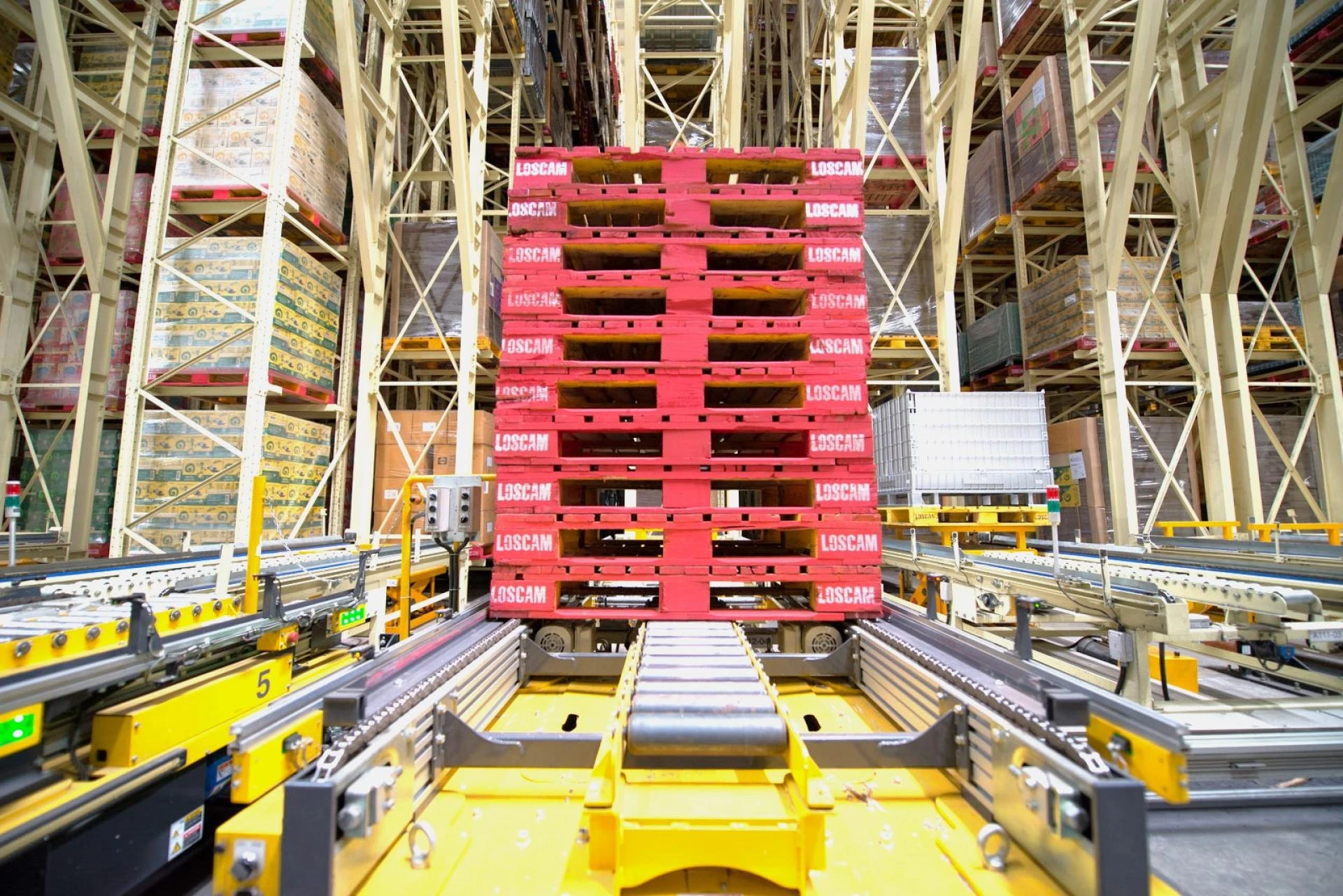
Pallets are a critical piece of infrastructure for any business with significant freight volumes. They support storage and handling, protect products from damage, and enable a more efficient flow of inventory through the supply chain. Yet despite their ubiquity and importance, many companies dramatically underestimate the hidden ownership costs of their pallet stock. Purchasing, repairing, collecting, storing, and transporting these assets – in-house or otherwise – can add up quickly and often exceed businesses' expectations. Pallet pooling, on the other hand, has emerged as the industry-leading strategy for reducing total cost of ownership (TCO) without compromising reliability and performance. In fact, today’s modern pooling solutions offer a simple, streamlined way to reliably source high-quality pallets with expert pallet management and predictable pricing.
Reduce procurement and replacement expenses
Procurement is one of the most apparent areas of savings when switching to pallet pooling.
Acquiring new pallets can often demand significant capital expenditure. This can be true if companies need to buy in bulk, order well in advance, or specify premium-grade units for heavy-duty loads. Additionally, as pallets become damaged, lost or otherwise unusable, the cycle of replacement costs begins again.
Pooling allows companies to sidestep the upfront capital requirements of pallet ownership entirely. There’s no inventory to purchase; pallets are simply rented as required. The pooling provider is responsible for inventory management, supply assurance and prompt replacement of any damaged or lost pallets. This not only saves on procurement expenses but also eliminates budget variability and procurement risk, particularly for businesses with seasonal or otherwise unpredictable pallet demand.
Decrease repair and maintenance costs
Asset ownership also incurs ongoing maintenance and repair costs. With pallets, this usually means dedicated labour for routine repairs, specialised equipment to maintain structural integrity, and taking pallets out of service during this work. Frequent repairs are especially common in high-throughput operations or those involving rough handling.
Pooling transfers all repair and maintenance work to the provider. Pooled pallets are inspected, refurbished and upgraded before re-entering the circulation pool. For companies, this removes the hidden costs of an in-house repair operation and ensures they’re always receiving pallets in a structurally sound, top-quality condition – with knock-on productivity and safety benefits.
Free warehouse space by optimising storage
Storage is one of the most under-appreciated costs of pallet ownership. Empty pallets are often scattered throughout warehouses, taking up space that could otherwise be used for storage, packing stations or material handling equipment. The larger and bulkier the format, the more space is required to store them – a significant consideration for companies that purchase pallets in high volume.
Pallet pooling eliminates this storage problem, since pallets are delivered only as needed and picked up for the duration. Companies no longer need to set aside space for storing stacks of surplus pallets, which can support better warehouse layout planning and more efficient space utilisation. Seasonal businesses can also more easily scale their pallet volumes month-to-month, instead of maintaining it as a fixed overhead cost.
Eliminate retrieval and reverse logistics issues
Retrieving pallets after delivery is a challenge for pallet owners too. The logistics of returning damaged, lost, or excess pallets to the supplier, sorting them through reverse logistics operations and getting them back in circulation are often expensive and administratively intensive. If a pallet ends up at a customer’s site or multiple distribution points, this becomes a hidden cost that can rapidly accumulate to represent substantial losses over time.
Pallet pooling providers handle all retrieval and logistics, ensuring pallets flow back into their network after use with no additional effort required by the user. This saves companies the administrative headache of tracking pallets and managing retrieval on top of their day-to-day operations.
Optimise transport with network efficiencies
Transport is another area where pooling can significantly reduce costs, especially when pallets are transported empty, resulting in unproductive and otherwise inefficient moves. For companies with significant domestic or international freight volumes, this may also contribute to a larger carbon footprint.
Pooling mitigates transport costs by building up an extensive network of regional and national operations. As a result, it becomes much more likely that pallets can be sourced locally – rather than shipped from a central location across long distances, saving on freight expenses. This also means less vehicle use and lower emissions, which for many businesses seeking to align their sustainability objectives with operational changes, is a huge benefit.
Reliable supply without the ownership hassles
Finally, companies seek to pool pallets to ensure a reliable supply. Pallet pooling providers guarantee supply availability, quality standards, industry compliance and more, so that there are no surprises for users when it comes to inventory that’s essential to production lines and order fulfilment. This reliability means companies can focus on their core operations without being distracted by asset management issues or having to build in-house operations to support them.
Pallet pooling is a much more cost-effective solution for obtaining pallets than buying and maintaining their own stock. These savings can directly translate to improved operational performance and stronger supply chain stability over the long term.
For companies that also want to ensure tighter control and tracking of these assets – or looking to integrate this with other parts of the logistics system – coupling pallet pooling with a hire management system will enable better asset visibility, cost forecasting and day-to-day operations.