In India, homeschooling does not have the appearance of a stack of printed workbooks and YouTube instructional videos anymore. It has become a complete learning ecosystem- dynamic, organized and accommodative of all classes of learners. The emergence of online schools in India has totally redefined the way families consider the concept of home-based learning. Technology has provided homeschooling with a much-needed glow-up, whether it is virtual classrooms or online courses with an interactive aspect.
Through this guide, the author will seek to understand how online schools are revolutionizing homeschooling to make it a flexible, engaging and personalized experience among the current learners. As a parent, a student, or an interested person, you will find information, tips, and probably even some smiles and twins throughout the educational change.
Introduction: The Rise of Homeschooling in India
Whereas the concept of homeschooling sounded far-fetched and unusual in the past, it now appears to be almost mainstream. Indian families are trying homeschooling to allow their children the liberties to study in the manner that makes them comfortable and motivated. This has become possible through the push towards flexible education.
Students do not have to rise early in the morning, rush to school and memorize the lesson under time pressure, they can now have the opportunity to learn online at their own pace, in their own interest and in the same way they would like. Parents, in their turn, can have control over the way the child learns and make sure that the process of education does not seem like a race but rather like the adventure.
Why Parents Are Choosing Online Schools Over Traditional Options
To be fair, it can be said that sometimes traditional schooling is more of a one size fits all shirt that does not fit anyone. All children do not learn in the same way and online schools know that more than most. In India, the online schools are selected by parents as they are structured and not rigid.
Such schools not only take the qualified teachers, various subjects, but also extra-curriculum choices to your living room. Your child can take science classes in the morning, take a course on the code after lunch, and become a member of an online art club in the evening and not leave the house. It is learning recreated to a generation that lives on choice and the power of imagination.
The Role of Virtual Classrooms in Modern Homeschooling
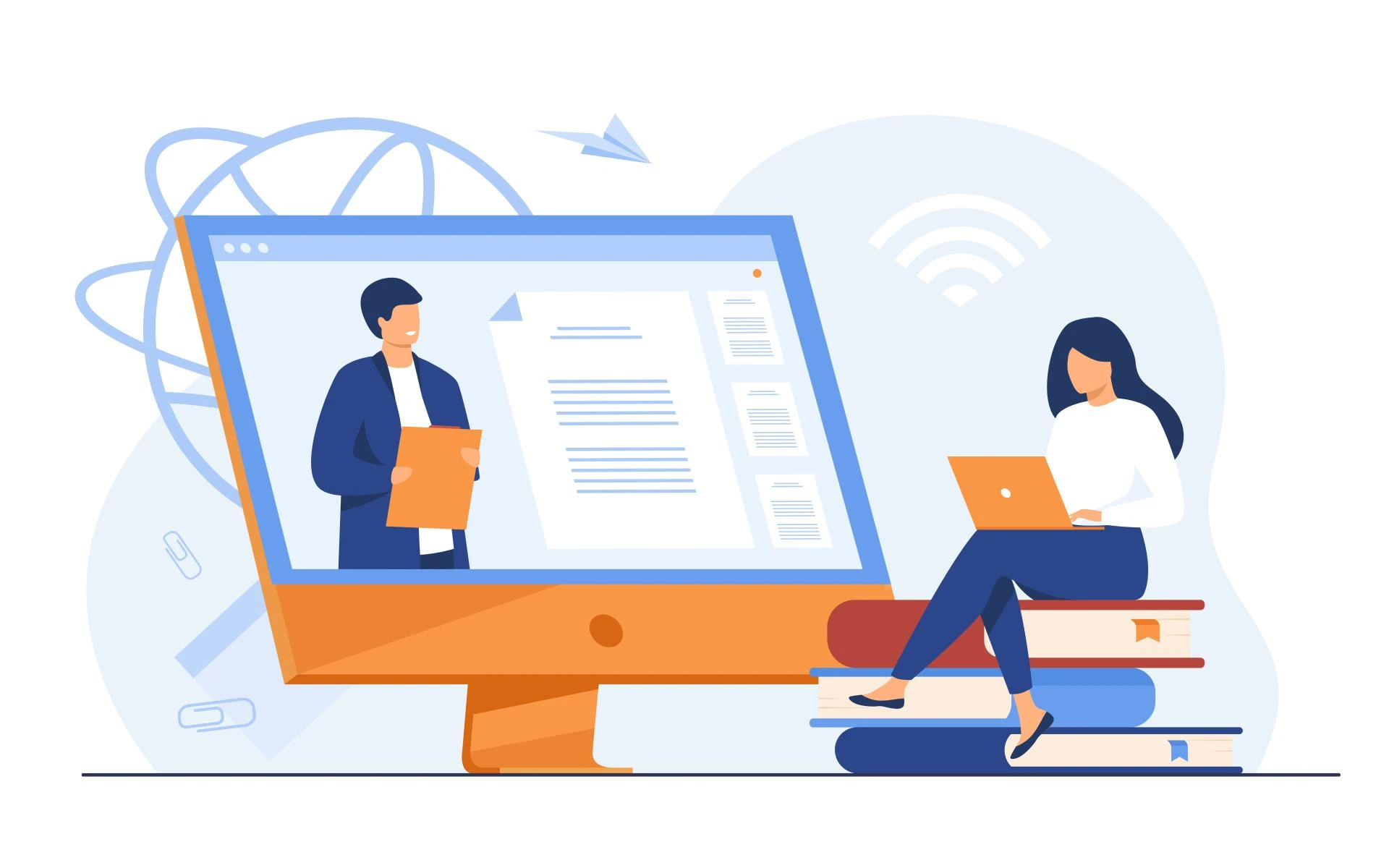
Imagine virtual classrooms as the virtual meeting rooms in which the learning process truly breathes life. Students watch video calls, use chat tools, and digital whiteboards instead of listening to long lectures and engaging with teachers to obtain information and exchange ideas with classmates.
Through these virtual spaces, the space between school and home is eliminated. Learners continue to get to raise their hands, pose questions and enjoy the energy of group learning, but this time around the classroom is within a laptop rather than a brick-and-mortar structure.
Flexible Learning Options: Adapting Education to Every Student
So this is where the magic happens. Flexible learning options imply that at last your child will be able to learn at his/her rhythm. Early riser? Finish classes before lunch. Night owl? Study when the world is quiet.
Such flexibility enables students to do hobbies, sports or even part time projects without affecting their education. It also fosters self-discipline -a quality which is priceless in all the life of a person. Sunbeam World School is among the first to provide this balance, to enable the students to balance between academics and to discover what they are passionate about, besides textbooks.
Digital Education Platforms: Bridging the Gap Between Home and School
Online learning tools serve as a personal assistant to both parents and teachers. They follow up, archive lessons and even advise on possible improvement. Through these platforms parents are able to know how their child is developing without the pressure of having to monitor the child every minute.
On the part of students, they develop a continuous learning process, no lost notes or lost homework. All the subjects, resources and updates are no more than a button press away, and what was once a commotion becomes serene.
Personalized Learning Experience: Tailoring Education to Individual Needs
You have ever seen your child glowing when they finally get something, then you know how effective personalized learning can be. Online Indian schools take advantage of smart tools and teacher direction to customize the content to the strengths and pace of the students.
A math lover can immerse in solving problems whereas a student who has a good command of writing can work on language and creativity. None of these comparisons, none of these unwarranted stresses: merely mere learning strides like a glove on.
Accredited Online Programs: Ensuring Quality and Credibility
Parents are occasionally concerned with recognition, with reason. Online programs under accreditation will guarantee your child with an equivalent education like the best schools. These courses have accredited curriculums, approved authorities and qualified instructions that are significant in higher education and career systems.
Accreditation is a comfort that online learning is not inferior to traditional schooling, it is just not so stupid and more responsive to the new reality of the world.
Interactive Online Courses: Making Learning Engaging and Fun
No one studies effectively when they are not interested. Online courses are interactive and therefore, lessons are made practical through interactive online courses. Quizzes, videos, and projects, even simulations transform subjects into stories rather than lectures.
Learners are taught not only how to memorize but also to think, analyze, and be creative. Learning is made a two way dialogue rather than a one way download. Curiosity is what education maintains.
Interactive Online Courses: Making Learning Engaging and Fun
A homeschooling family frequently makes parents their tutor, teacher, and, in some cases, math tutor. Online education is based on the organization of support through parent-led education. Parents can follow the progress and intervene only in those cases when digital tools and channels of interaction with the teachers are involved.
It establishes balance, parents are not too involved, and students are not lost in the process. It is collaboration and education is the common goal.
The Future of Online Learning in India
Online learning in India has a bright and promising future. With the growth of internet and the development of technology, education is no longer bound by bygones. Any student with any type of ability, background or city can now have access to the best learning in the world.
It is not a fad but a move towards inclusivity and empowerment. Homeschooling will cease to be a substitute but a rather admired option of contemporary families who attach importance to freedom, creativity and balance.
Conclusion
Online schools in India have been the revolutionary turn that has turned the journey of homeschooling in India to be driven by innovation and compassion. The families are now provided with the means to create learning experiences that suit their children and not vice versa.
Homeschooling has turned into an icon of freedom and development with the help of such institutions as Sunbeam World School. With the future of digital education still developing, it is evident that the future of learning does not necessarily exist in the classroom. It is open, empowering and most of all, it is created around you.
FAQs
Q1: Do online schools in India have the recognition of educational boards?
Yes, there are a number of recognized online courses in India with recognized boards like CBSE, NIOS, and IGCSE.
Q2: Is it true that the parents can actively engage in online homeschooling?
Yes. Parent-led education is most effective when parents work jointly with teachers such that they monitor and direct learning.
Q3: What is the most important advantage of online education that is flexible?
Students would be able to study at their own time, study what they are interested in, and have a healthy balance with other activities.
Q4: What are some of the ways in which the online schools make learning interactive to students?
With online classrooms, multimedia courses, and gamified courses that make students interested and active.
Q5: Does online homeschooling apply to each age group?
Surely, online learning platforms offer the content at the level of basic education and higher learning.