If you live in Miami long enough, you start to notice something about driveways. They never stay clean for very long. One rainy week, and suddenly the concrete looks darker. Park in the same spot for a few months, and there is a shadow that does not wash away. This guide walks through how often driveway cleaning actually makes sense here, based on real conditions, not guesswork.
Key Insights:
● Miami’s moisture speeds up stains and algae
● Once a year is a starting point, not a rule
● Shade and traffic change everything
● Regular cleaning prevents long-term surface damage
Why Driveway Cleaning Frequency Matters in Miami
Miami is tough on outdoor surfaces. Rain comes fast and leaves just as fast, but the moisture sticks around. Humidity hangs in the air. Driveways that sit in the shade stay damp longer than people realize. That dampness is exactly what algae loves. It creeps in slowly, usually unnoticed, until one day the driveway feels slick underfoot after a storm. We provide the best residential pressure washing services in Miami.
Then there is everyday life. Cars drip oil. Tires leave residue. Dust from the road settles in and mixes with moisture. Over time, all of that sinks into the surface. It does not matter how new the driveway is. Concrete and pavers both absorb more than most people expect.
How Often Should Most Miami Driveways Be Cleaned
For many homes, once a year is the bare minimum. An annual cleaning clears away buildup before it settles in for good. If your driveway gets plenty of sun and sees average traffic, that schedule often works.
But plenty of Miami homes do not fit that picture. Driveways under trees, next to dense landscaping, or shaded by buildings tend to stay wet longer. Those usually need cleaning every six to nine months. Coastal homes often fall into the same category. Salt in the air pulls moisture into the surface, which speeds up staining and wear. Waiting too long in those cases almost always leads to stubborn discoloration that takes more effort to fix later.
The Role of Surface Type in Cleaning Schedules
Concrete is strong, but it is not sealed shut. It soaks up water and oil like a sponge. When stains sit too long, people tend to overcorrect with pressure, and that is where damage starts.
Paver driveways tell a different story. The surface itself holds up well, but the joints collect dirt, algae, and weeds. Once those joints weaken, pavers can shift. Regular cleaning keeps everything where it belongs.
Signs Your Driveway Needs Cleaning Sooner
Sometimes the driveway looks fine from a distance, but your feet tell a different story. If it feels slick after rain, algae is already there. Dark patches where cars park usually mean oil has soaked in. Uneven coloring is often a sign that moisture has been sitting too long in certain spots.
Another giveaway is how water behaves. If it pools instead of running off, the surface pores are clogged. At that point, waiting longer only makes the job harder.
Why Professional Cleaning Delivers Better Results
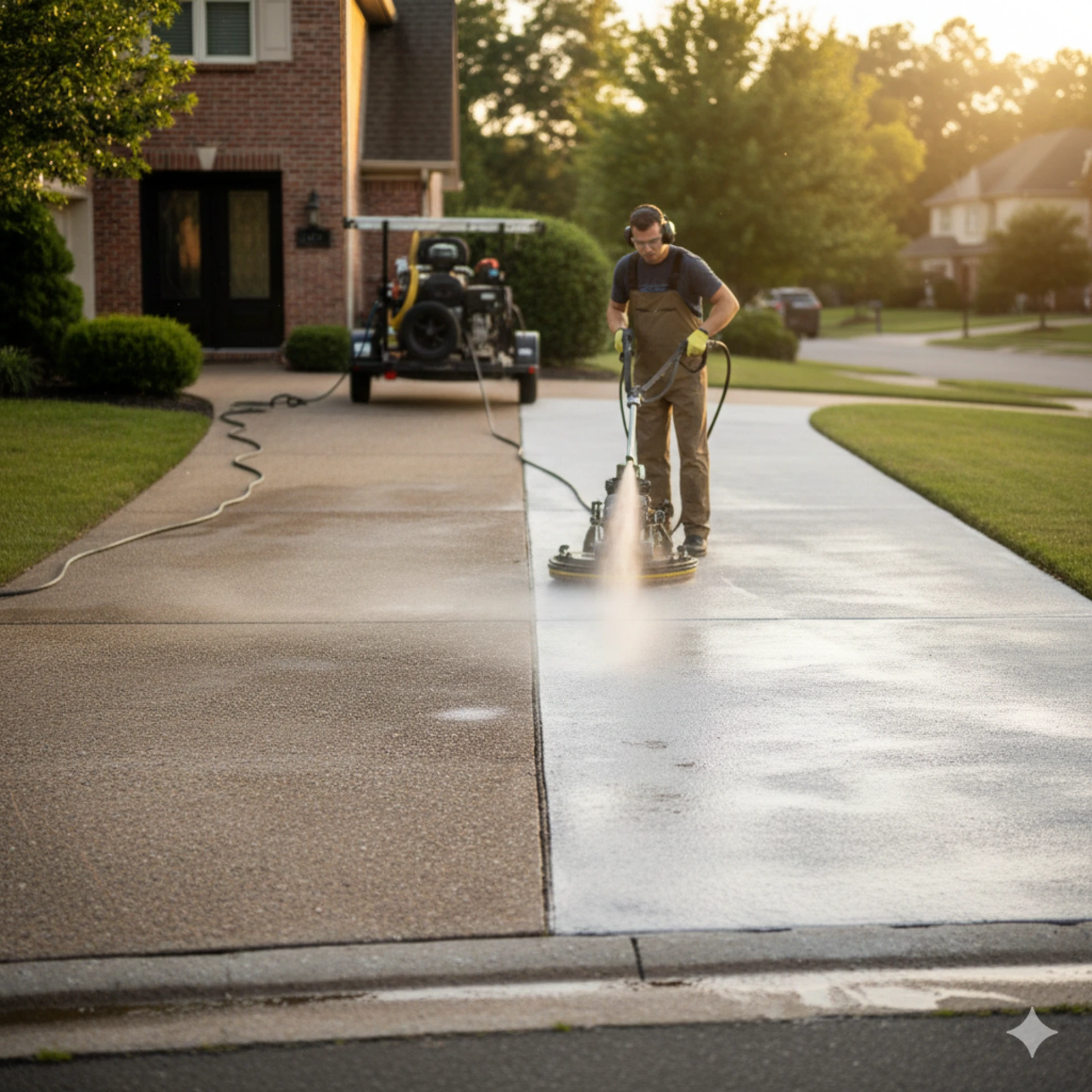
Good driveway cleaning is about restraint. Too much pressure does more harm than good. Professional Pressure Washing Services in Miami focus on matching pressure and cleaning solutions to the surface, not blasting everything the same way.
Homeowners who already use residential pressure washing services for patios or siding often notice that the driveway makes the biggest difference visually. It is the first thing you see when you pull in. Companies like Florida Surface Cleaning understand how Miami conditions affect different surfaces and adjust their methods instead of relying on a single approach.
Conclusion
There is no perfect calendar date for driveway cleaning in Miami. Climate, shade, traffic, and surface type all play a role. For most homes, professional cleaning at least once a year keeps things under control. Shaded or high-traffic driveways usually need more frequent care. If your driveway feels slippery, looks darker than it should, or never seems to dry completely, it is probably time to schedule Pressure Washing Services in Miami. Taking care of it now is far easier than trying to fix damage later, and your driveway will show it the moment it is clean again.