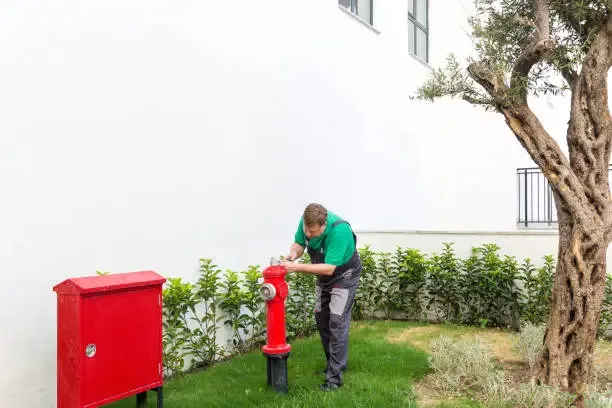
Commercial fire hydrants are an important part of fire protection infrastructure. They provide access to water during emergencies and must remain in proper working condition to support firefighting operations. Regular inspections help identify leaks, corrosion, damaged valves, and other issues that could affect hydrant performance.
For commercial property owners, facility managers, and maintenance authorities, understanding how often fire hydrants should be inspected is essential for maintaining reliable equipment and reducing unexpected repair requirements.
How Often Should Commercial Fire Hydrants Be Inspected?
Fire hydrant inspection frequency depends on local regulations, hydrant ownership, water utility requirements, and applicable fire protection standards.
Different inspection and maintenance activities may follow different schedules:
- Visual Inspections: Periodic checks help identify visible damage, corrosion, missing caps, and accessibility issues.
- Operational Inspections: These checks evaluate hydrant valves, operating components, and general functionality.
- Flow Testing: Periodic testing measures water pressure and available flow capacity in gallons per minute (GPM).
- Preventive Maintenance: Scheduled maintenance helps identify worn components, drainage problems, and potential mechanical failures.
Commercial property managers should coordinate with the responsible water utility and local fire protection authorities to establish an appropriate inspection schedule.
Why Are Regular Commercial Fire Hydrant Inspections Important?
Fire hydrants are exposed to weather, moisture, physical damage, and regular use. Without proper maintenance, these conditions can affect their performance over time.
Regular commercial fire hydrant inspections help:
- Identify corrosion and structural deterioration.
- Detect leaks around hydrant valves and connections.
- Check nozzle caps, gaskets, and outlets.
- Identify faulty operating components.
- Evaluate hydrant accessibility.
- Determine whether repairs or replacement are necessary.
Early identification of problems can help reduce unexpected equipment failures and costly repairs.
What Should Be Checked During a Commercial Fire Hydrant Inspection?
A professional inspection involves evaluating different hydrant components to identify potential problems.
1. Hydrant Body and Exterior Condition
Inspectors check the hydrant body for rust, corrosion, cracks, damaged coatings, and physical deterioration. These issues may indicate that repair or replacement is necessary.
2. Valves and Operating Components
Hydrant valves and operating mechanisms must function correctly. Inspections may identify stuck operating nuts, damaged valves, worn components, and mechanical problems.
3. Water Leaks and Connections
Leaks around the hydrant base, outlets, and connections may indicate damaged seals, gaskets, or underground components. Professional inspection helps identify the source of the problem.
4. Nozzle Caps and Gaskets
Nozzle caps and gaskets protect hydrant outlets from debris and damage. Inspectors check for missing caps, damaged threads, and deteriorated seals.
5. PSI and GPM Flow Testing
Depending on the inspection requirements, hydrant testing may include measuring water pressure and flow capacity.
- PSI (Pounds per Square Inch): Measures water pressure.
- GPM (Gallons per Minute): Measures the volume of water delivered per minute.
Static and residual pressure readings help evaluate water supply performance and identify possible pressure or flow concerns.
Signs That a Commercial Fire Hydrant Needs Immediate Attention
Apart from scheduled inspections, certain warning signs indicate that a hydrant may require professional assessment.
Look for:
- Continuous water leakage.
- Severe rust or corrosion.
- Damaged or missing nozzle caps.
- Difficult-to-operate valves.
- Visible cracks or structural damage.
- Unusual pressure or flow readings.
- Damaged hydrant connections.
When these problems occur, the hydrant should be evaluated by qualified personnel, and the responsible water authority should be notified when necessary.
Professional Commercial Fire Hydrant Inspection Services in Maryland
Maintaining commercial fire hydrants requires regular inspections, preventive maintenance, flow testing, and timely repairs. Proper attention to hydrant conditions helps support dependable water distribution infrastructure.
Seadmok Water provides professional water and sewer utility services in Maryland, including fire hydrant preventive maintenance, repair, replacement, and flow testing.
Whether you manage a commercial property or are responsible for maintaining existing hydrant infrastructure, professional fire hydrant services can help identify equipment problems and support long-term system performance.
Contact Seadmok Water for professional fire hydrant services in Maryland.
Frequently Asked Questions (FAQs)
1. How often should commercial fire hydrants be inspected?
Inspection frequency depends on local regulations, water utility requirements, and applicable standards. Commercial property managers should follow the inspection schedule established by the responsible authority.
2. What is included in a commercial fire hydrant inspection?
Inspections may include checking the hydrant body, valves, nozzle caps, gaskets, connections, leaks, corrosion, and operational condition.
3. Is fire hydrant flow testing part of routine inspection?
Flow testing may be included as a separate scheduled activity or as required by local authorities. It helps evaluate water pressure and available flow capacity.
4. What happens if a commercial fire hydrant is not maintained?
Poor maintenance can allow leaks, corrosion, damaged valves, and mechanical problems to develop, potentially affecting hydrant reliability.
5. Who is responsible for commercial fire hydrant maintenance?
Responsibility depends on hydrant ownership, local utility arrangements, property agreements, and applicable regulations. Property managers should coordinate with the responsible water authority.