
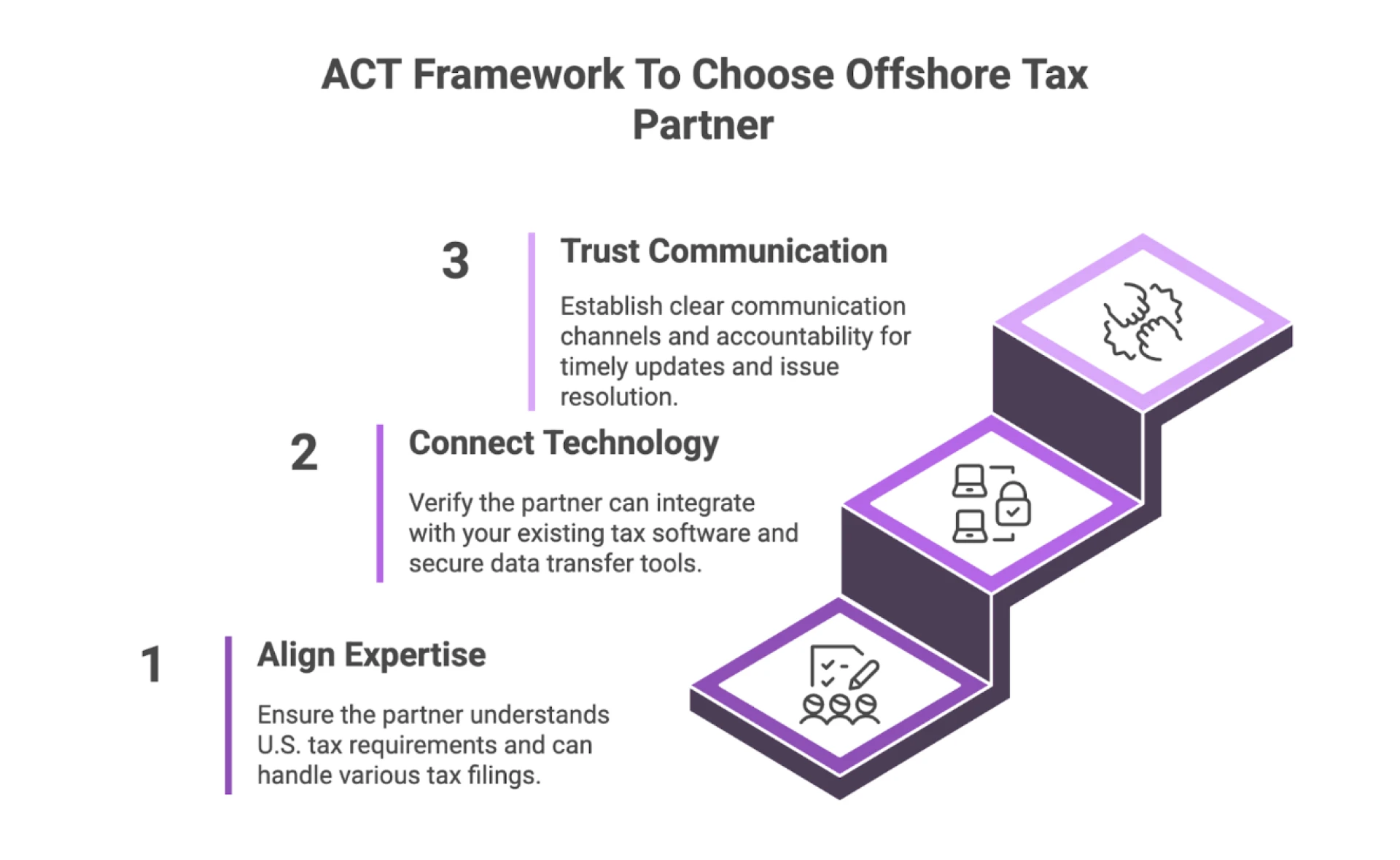
In the era of globalization, businesses are increasingly expanding across borders, entering new markets, and managing complex international operations. While global expansion offers significant growth opportunities, it also brings unique financial and regulatory challenges. Among these, managing taxes across multiple jurisdictions can be particularly complicated. This is where offshore tax services have become essential for modern businesses. By outsourcing tax preparation and planning to offshore professionals, companies can ensure compliance, optimize tax strategies, and streamline operations.
1. The Complexity of International Taxation
Global businesses face an intricate web of tax laws, regulations, and reporting requirements. Each country has its own corporate tax rates, filing deadlines, and compliance obligations. Additionally, international transactions often involve VAT, withholding taxes, transfer pricing, and cross-border tax treaties.
Navigating these rules manually or relying solely on in-house teams can be overwhelming. Errors or misinterpretations can result in penalties, audits, or double taxation. Offshore tax services provide specialized expertise to help companies comply with local and international tax laws efficiently, reducing the risk of costly mistakes.
2. Cost Savings and Operational Efficiency
One of the primary reasons businesses turn to offshore tax services is cost efficiency. Maintaining a full-time in-house tax team for multiple jurisdictions can be expensive due to salaries, benefits, training, and software costs. Offshore tax services allow businesses to access highly qualified professionals at a fraction of the cost.
Beyond cost savings, outsourcing tax functions frees up internal resources. Teams can focus on strategic business activities instead of spending time on tedious tax filing, documentation, or research. This not only improves operational efficiency but also allows leadership to dedicate more attention to growth initiatives.
3. Access to Expertise and Specialized Knowledge
Offshore tax providers bring specialized knowledge in international tax regulations, compliance, and planning strategies. They stay updated with changing tax laws, new reporting requirements, and cross-border tax treaties, ensuring businesses remain compliant in every jurisdiction they operate in.
For multinational corporations, this expertise is invaluable. Offshore tax services can advise on transfer pricing, international tax incentives, and legal deductions, ultimately helping companies optimize their tax liability while remaining compliant.
4. Risk Mitigation and Compliance
Tax non-compliance is a major risk for global businesses. Failing to adhere to international tax regulations can result in audits, fines, legal disputes, or reputational damage. Offshore tax services mitigate these risks by ensuring accurate reporting and compliance with all relevant tax laws.
They implement rigorous internal controls, double-check financial statements, and maintain proper documentation to satisfy both domestic and international authorities. By proactively managing compliance, businesses can operate with confidence in their global operations.
5. Scalability for Growing Businesses
As businesses expand globally, their tax needs become increasingly complex. Offshore tax services offer scalable solutions that can grow alongside the company. Whether a business is entering a single new market or managing operations in multiple countries, offshore providers can adapt to handle varying workloads and reporting requirements.
This flexibility is particularly beneficial during peak tax seasons or when companies launch new international projects. Offshore services allow businesses to scale tax operations without the overhead of hiring additional in-house staff.
6. Technological Advantages
Modern offshore tax services leverage advanced accounting software and cloud-based tools to manage complex tax processes efficiently. Platforms such as QuickBooks, Xero, and custom ERP systems enable real-time tracking of financial transactions, automated reporting, and secure data storage.
Automation reduces the likelihood of human error, speeds up filing, and provides management with timely insights into financial performance. By combining technology with professional expertise, offshore tax services deliver accurate and efficient solutions that traditional in-house teams may struggle to match.
7. Strategic Tax Planning
Offshore tax services are not just about compliance—they also play a strategic role. By analyzing a business’s financial data, offshore tax professionals can identify opportunities to optimize tax strategies, reduce liabilities, and improve cash flow.
For global businesses, this can include:
- Structuring international operations for tax efficiency
- Utilizing tax credits and incentives in multiple jurisdictions
- Advising on corporate reorganizations or mergers
- Planning for cross-border investments
Such strategic input allows businesses to make informed decisions that enhance profitability while staying within legal boundaries.
8. Peace of Mind and Focus on Core Business
Outsourcing tax functions to offshore experts provides business leaders with peace of mind. They can trust that complex international tax requirements are handled accurately, on time, and in compliance with all regulations.
This allows companies to focus on core business operations, such as product development, market expansion, and customer engagement, without being bogged down by administrative tax tasks. Knowing that offshore tax professionals are managing compliance and optimization effectively creates confidence and reduces stress.
9. Global Perspective and Multinational Support
Offshore tax services are particularly beneficial for businesses with operations in multiple countries. Providers with international expertise understand the nuances of cross-border taxation, including:
- Tax treaties and avoidance of double taxation
- Compliance with foreign reporting standards
- Multi-currency financial management
This global perspective enables businesses to operate efficiently, expand into new markets, and optimize their international tax obligations.
Conclusion
Offshore tax services have become essential for global businesses due to their ability to simplify complex international taxation, reduce costs, mitigate risks, and provide strategic insights. By leveraging offshore expertise, businesses can ensure compliance, optimize tax liability, and focus on growth initiatives.
In an increasingly interconnected world, companies that embrace offshore tax services gain a competitive advantage. They benefit from cost-effective, accurate, and scalable solutions that support international expansion while safeguarding against compliance risks. For businesses looking to thrive globally, offshore tax services are no longer optional—they are a critical component of financial strategy and operational efficiency.