
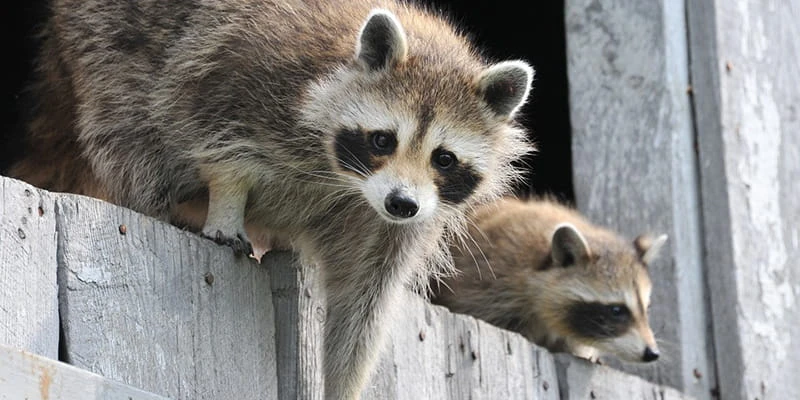
Raccoons are persistent, smart, and well-adapted to city living. This article explains why raccoon issues keep returning in NYC homes, how the problem escalates, and what proven professional approaches actually stop infestations from coming back.
The Problem Most NYC Homeowners Underestimate
Raccoon problems rarely begin as emergencies. For many homeowners across New York City, the first signs feel small—thumping sounds above the ceiling, trash cans tipped over, or a shadow darting across a rooftop at night. In dense neighborhoods, especially where buildings share walls or rooflines, those signs are often dismissed as “just city life.”
The trouble is that raccoons don’t just pass through. Once they find warmth, food, and shelter, they settle in. Attics, soffits, chimney bases, and crawlspaces become long-term nesting sites. Over time, a single raccoon or, worse, a family, can cause far more damage than most people expect.
This is where many homeowners get caught off guard. What starts as noise becomes property damage, odors, health concerns, and expensive repairs.
When the Situation Gets Worse Than Expected
Raccoons are strong, curious, and stubborn. They tear through wood, bend flashing, and widen small gaps with surprising ease. In NYC’s older housing stock—brownstones, pre-war buildings, and townhomes—even a minor weakness can become a major entry point.
As the infestation continues, homeowners often notice:
- Persistent nighttime movement that disrupts sleep
- Insulation torn apart for nesting
- Droppings and urine soaking into ceilings and walls
- Strong, lingering odors that don’t fade
- Increased risk of fleas, ticks, and roundworm
The longer the issue is ignored, the more raccoons learn the layout of the building. They memorize access points and return year after year, especially during breeding season. At this stage, simple fixes stop working.
Why DIY Solutions Usually Fail
It’s natural to try quick fixes first. Hardware-store repellents, motion lights, or blocking visible holes may seem reasonable. Unfortunately, raccoons in NYC are used to human activity and adapt quickly.
Blocking one hole without addressing others often traps animals inside. Trapping without sealing entry points creates a revolving door; remove one raccoon and another takes its place. These approaches don’t fail because homeowners aren’t trying hard enough; they fail because they don’t address the full problem.
That’s when people start searching for Raccoon extermination NYC services that focus on prevention, not just removal.
Raccoon Extermination NYC and the Difference Professional Methods Make
Stopping repeat infestations requires understanding raccoon behavior, building construction, and seasonal patterns. Professionals approach the issue systematically, starting with a full evaluation of the property.
This process often overlaps with Raccoon removal NYC, where the goal isn’t just to remove the animal but to make sure it can’t return.
Identifying Every Entry Point
Raccoons rarely use just one opening. Roof edges, chimneys, fire escapes, shared walls, and even neighboring buildings can play a role. A thorough inspection identifies all vulnerable areas, not just the obvious ones.
Removing Animals Safely and Effectively
Timing matters, especially during spring when young kits may be present. Professionals use exclusion devices and controlled removal methods that ensure no animals are left trapped inside.
Sealing and Reinforcing the Structure
This is the step that stops the cycle. Repairs are made using materials raccoons can’t tear apart, and weak points are reinforced so new animals can’t gain access.
Cleaning and Odor Control
Nesting debris and waste are removed, and affected areas are treated. This step is critical because lingering scent markers can attract new raccoons.
A Real Case from Brooklyn, NY
In a row of connected brownstones in Crown Heights, a homeowner noticed heavy footsteps above their third-floor ceiling each night. The building dates back to the early 1900s, with original roof framing and aging chimney flashing.
At first, the homeowner tried sealing a visible gap near the roofline. The noise stopped briefly, then returned louder than before. Within weeks, a strong odor developed, and ceiling discoloration appeared.
A professional inspection revealed a raccoon mother and two juveniles nesting near the chimney base. The animals had created multiple access points along the shared roofline, including one that crossed into the neighboring building.
The removal was scheduled carefully to avoid separating the juveniles. Afterward, damaged insulation was replaced, contaminated areas were treated, and the roofline was reinforced with heavy-gauge materials designed for urban wildlife pressure.
Six months later, during peak raccoon activity season, there was no sign of return. The difference wasn’t luck—it was a complete solution.
When Raccoon Problems Turn Urgent
Not every situation moves slowly. Sometimes raccoon activity escalates quickly, especially when animals become aggressive or enter living spaces. In those cases, homeowners may need Emergency raccoon control NYC services to address immediate risks.
Emergencies often involve:
- Raccoons entering kitchens or bedrooms
- Visible damage to electrical wiring
- Animals trapped inside walls
- Aggressive behavior near pets or children
Fast response matters in these cases, but even emergency work must be followed by proper repairs and prevention to avoid repeat incidents.
Why Repeat Infestations Are So Common in NYC
New York City offers raccoons everything they need: food waste, shelter, and minimal natural predators. Buildings are close together, making it easy for raccoons to move between properties without ever touching the ground.
If one home isn’t secured properly, it can affect the entire block. That’s why lasting solutions focus on structural integrity, not just animal removal.
Professionals who understand local building styles, whether in Brooklyn, Queens, or nearby countie,s can tailor solutions that actually hold up over time.
What Homeowners Should Watch for Going Forward
Even after a successful solution, awareness matters. Homeowners should keep an eye on rooflines, trim, and attic spaces, especially after storms or heavy snowfall. Early detection makes future issues far easier to manage.
Simple maintenance checks can prevent a minor issue from turning into another infestation.
Take Action Before the Cycle Starts Again
Raccoon problems don’t resolve themselves, and temporary fixes often make matters worse. If you’re dealing with recurring noise, damage, or signs of wildlife activity, it’s time to address the root cause not just the symptoms.
Reach out today for trusted pest supplies assistance and expert guidance. The sooner you act, the easier it is to protect your home, avoid costly repairs, and finally put an end to repeat raccoon infestations.