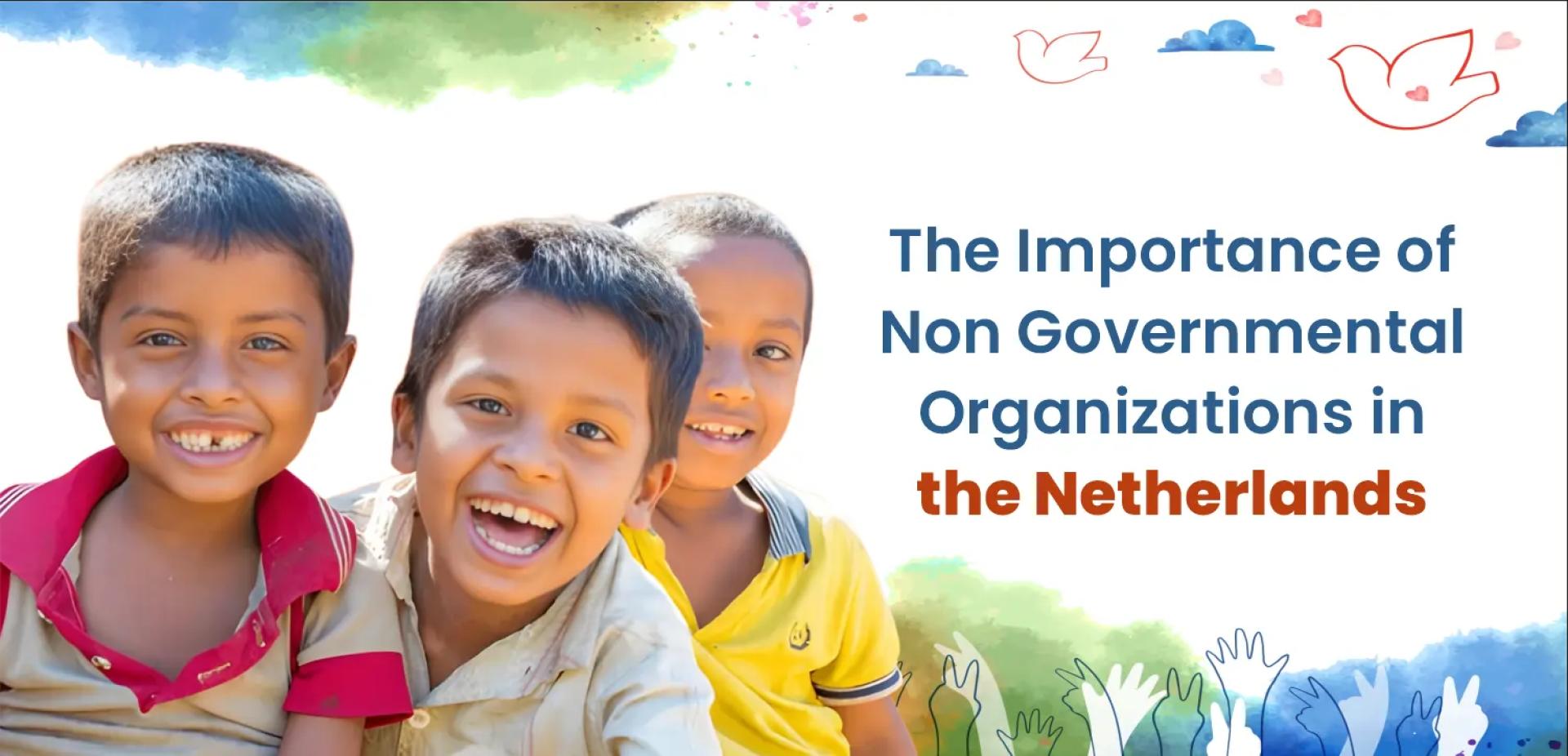
Education has always been a driving force behind national progress, and the Netherlands continues to invest heavily in preparing its young generation for the future. Alongside government programs and schools, many non governmental organizations in Netherlands play a key role in strengthening academic support systems for children who may not have access to additional learning resources.
These organizations don’t focus on charity—they focus on development, skill growth, and equal learning opportunities, ensuring that every child is equipped for long-term success.
Creating Structured Learning Support

One of the strongest contributions of ngos in the netherlands is the way they supplement classroom education. Through well-designed after-school programs, homework assistance, reading clubs, and digital-learning workshops, NGOs provide structured guidance that helps students stay confident and motivated.
This is especially important in communities where children may not have access to advanced study materials or academic mentoring. By offering consistent learning environments, ngo netherlands initiatives help bridge small educational gaps before they become long-term obstacles.
Building Digital Skills for the Future
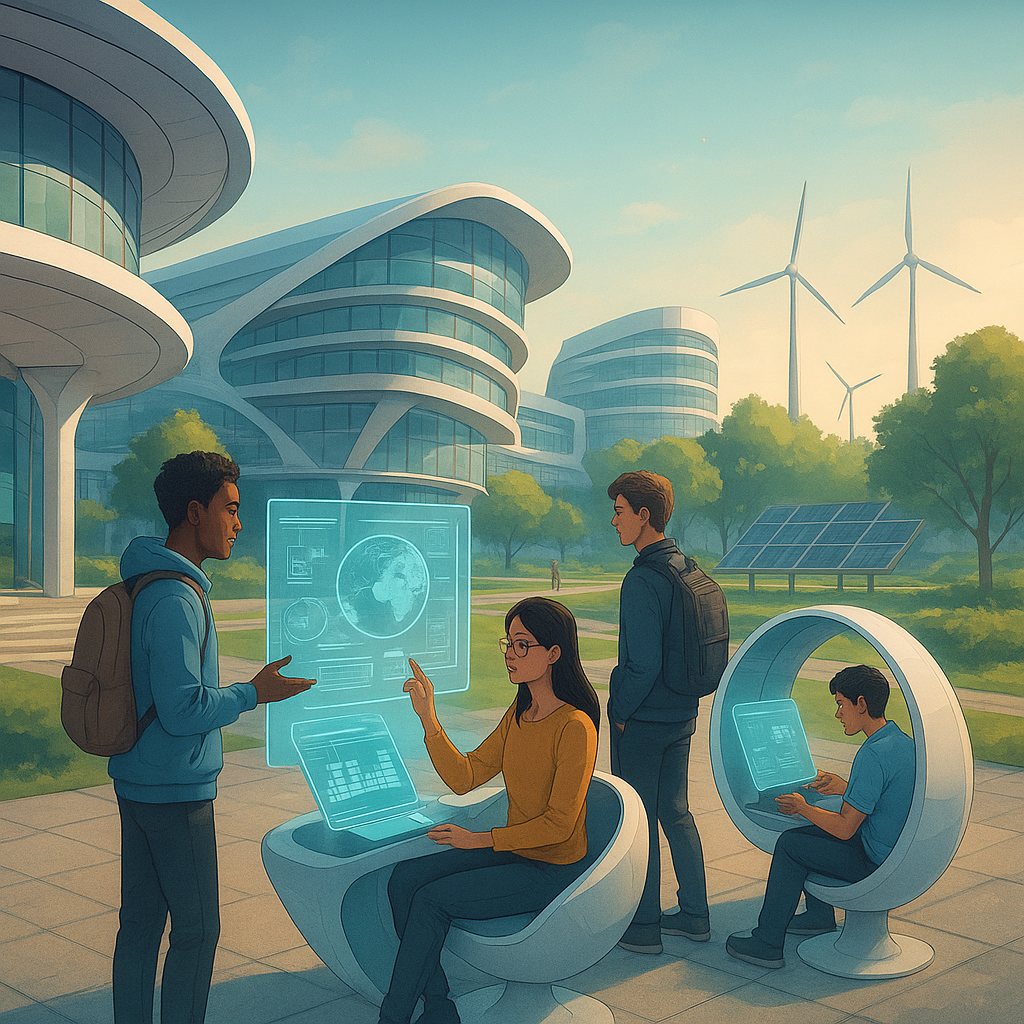
In today’s world, digital proficiency is essential. Many ngo holland programs focus on digital literacy, coding basics, online research skills, and safe internet use. These workshops help underprivileged children become comfortable with technology, preparing them for higher studies and modern workplaces.
This approach reflects the Netherlands’ long-term commitment to innovation and future-ready education.
Encouraging Creative and Experiential Learning
Academic excellence is not limited to textbooks. NGOs in the Netherlands often collaborate with schools, museums, science centers, and cultural organizations to create interactive learning opportunities.
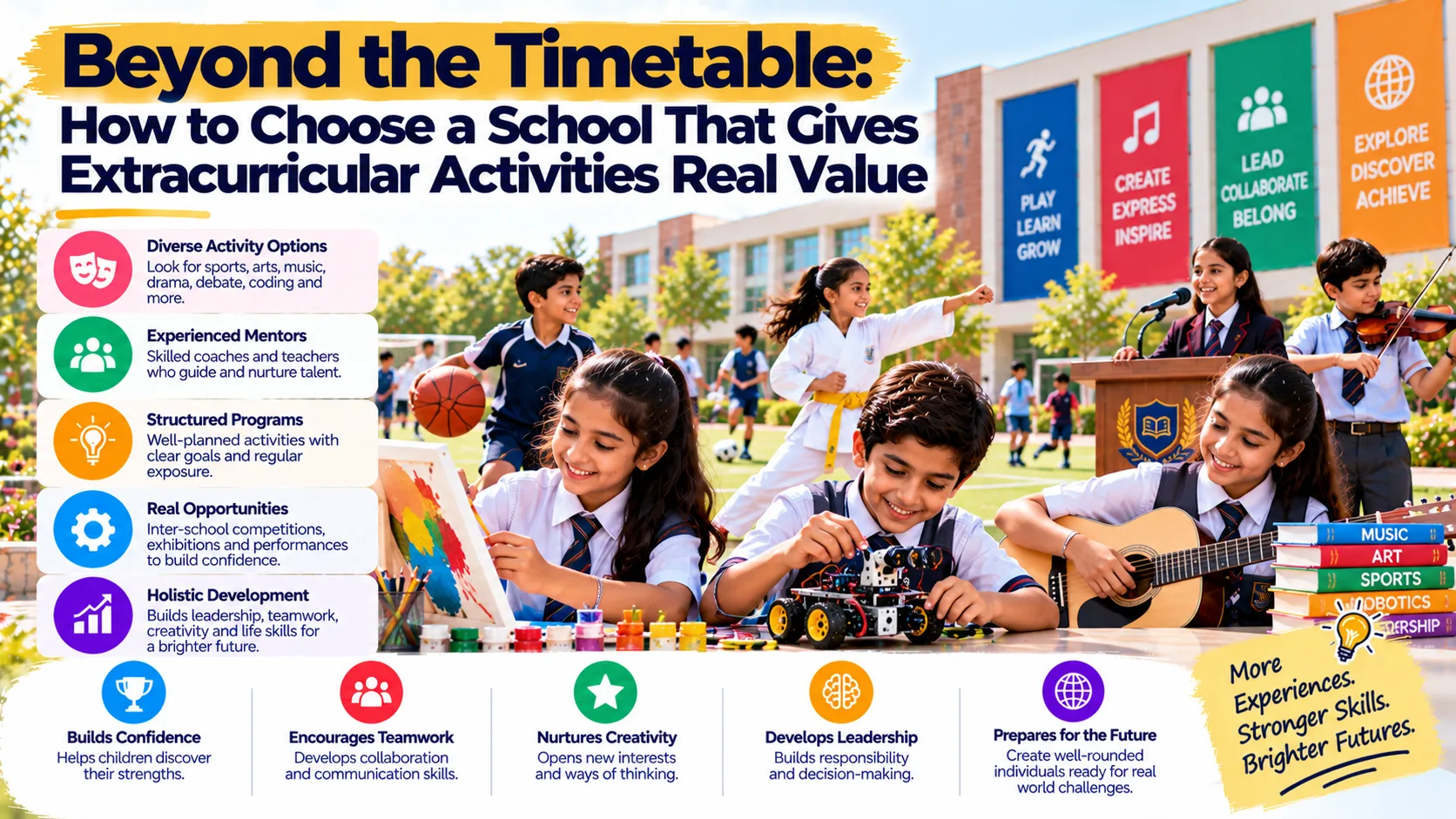
Through arts programs, science activities, robotics clubs, and outdoor learning, ngo nederland groups ensure that children gain practical knowledge and creativity—key components of well-rounded development.
Ensuring Access to Learning Tools
While the Netherlands has strong infrastructure, not all families have equal access to educational tools such as laptops, books, learning software, or advanced study materials. Many ngos netherlands initiatives work with partners to provide these resources where needed.
This support is not framed as charity; it is part of building an ecosystem where every student can participate fully in modern education.
Offering Skill Development and Study Guidance
NGOs also run mentorship and guidance programs where professionals, university students, and trained educators work with children to help them identify strengths, plan careers, and set future goals.
Through leadership development, communication training, and skill-building workshops, non governmental organizations in Netherlands help young learners become confident individuals ready to explore their potential.
Strengthening Community Partnerships
One of the reasons NGO initiatives succeed is the strong collaboration between communities, educators, parents, and local institutions. These partnerships allow children to benefit from multiple support channels instead of relying on a single system.
This collaborative framework reinforces the Netherlands’ broader mission of building inclusive and future-ready communities.
Conclusion: Investing in the Next Generation
The growth of any nation depends on how well it prepares its young citizens, and the Netherlands continues to excel in this area. Through high-quality educational programs and development-focused initiatives, ngos in the netherlands ensure that underprivileged children receive the academic tools, digital skills, and personal development opportunities necessary to thrive.
Their work is not just about support—it is an investment in the future workforce, future innovators, and future leaders of the country. With continuous collaboration and forward-thinking programs, NGOs remain essential partners in shaping a capable and confident next generation.