Digital ownership has become one of the most important challenges of the modern internet. As more value moves into digital environments—art, gaming assets, intellectual property, memberships, and virtual experiences—the need for secure, transparent, and verifiable ownership systems has grown significantly. This shift has led to the rapid adoption of non-fungible tokens (NFTs), a blockchain-based innovation redefining how ownership and value are managed online.
NFTs are no longer limited to speculative trading or digital art hype. In 2026, they are increasingly viewed as foundational technology for creators, enterprises, and digital platforms seeking trust, traceability, and automation in digital transactions.
Understanding NFTs Beyond Digital Collectibles
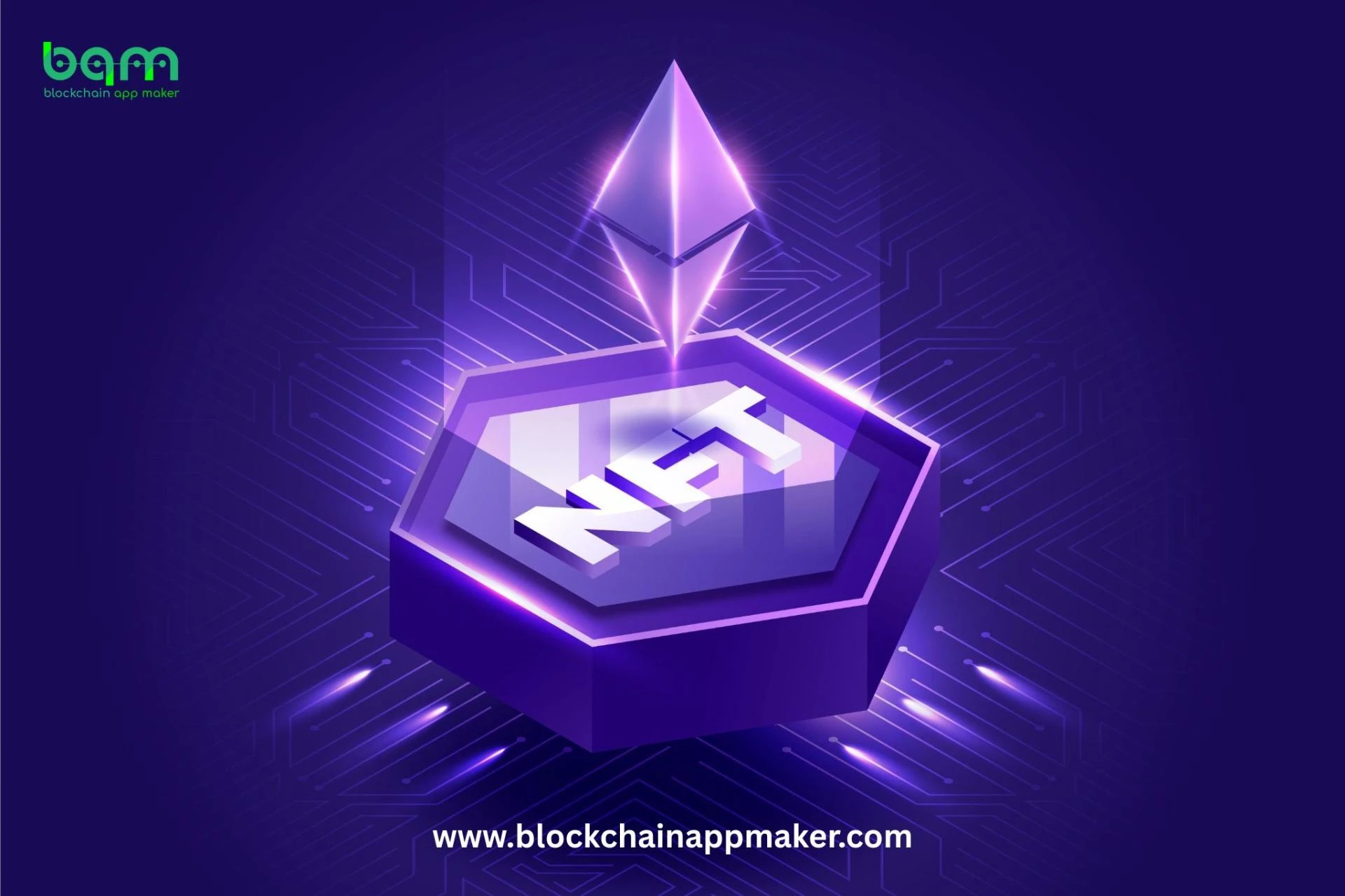
At a technical level, NFTs are unique blockchain tokens that represent ownership of a specific asset. Unlike cryptocurrencies such as Bitcoin or Ethereum, NFTs are non-interchangeable, meaning each token carries distinct metadata and value. This makes them ideal for representing assets where uniqueness and authenticity matter.
NFTs are now used to represent:
- Digital art and creative works
- In-game assets and virtual goods
- Music, media, and licensing rights
- Event tickets and digital memberships
- Tokenized physical assets
The key innovation lies in the ability to verify ownership without relying on centralized platforms. Blockchain ensures that ownership records remain transparent, immutable, and accessible.
 Why Businesses Are Adopting NFT Technology
Enterprises are increasingly exploring NFT solutions because they solve real operational and commercial challenges. Traditional digital systems often struggle with issues such as content duplication, unauthorized resale, lack of transparency, and inefficient royalty distribution.
NFT technology addresses these problems through:
- Verifiable authenticity, reducing counterfeiting and fraud
- Automated royalties, ensuring creators and rights holders are paid fairly
- Transparent transaction history, building trust with users
- Programmable ownership, enabling new engagement models
As a result, NFTs are now being used in loyalty programs, brand engagement campaigns, gaming ecosystems, and digital rights management platforms.
The Role of NFT Development in Scalable Platforms
Launching a successful NFT ecosystem involves much more than minting tokens. Businesses must consider smart contract security, marketplace architecture, blockchain selection, metadata storage, and user experience design. Poorly built NFT platforms can lead to security vulnerabilities, scalability issues, and loss of user trust.
This is why organizations often choose to work with a professional NFT development company when building long-term NFT solutions. An experienced NFT development company can help design secure smart contracts, develop scalable marketplaces, and ensure seamless integration with wallets, payment systems, and existing digital infrastructure.
Technology providers like Blockchain App Maker assist businesses in developing NFT platforms that are aligned with enterprise requirements rather than short-term experimentation. Their focus is on creating secure, extensible, and future-ready NFT ecosystems that support real business use cases.
NFTs and the Creator Economy
NFTs have significantly reshaped the creator economy by enabling direct relationships between creators and audiences. Artists, musicians, writers, and developers can now distribute digital assets without intermediaries, retaining greater control over pricing and ownership.
Smart contracts embedded within NFTs allow creators to earn royalties automatically whenever assets are resold. This creates sustainable revenue models that were previously difficult to implement using traditional digital platforms.
Enterprise and Industry Use Cases
Beyond creative industries, NFTs are gaining adoption across various sectors:
- Gaming: True ownership of in-game assets and interoperable economies
- Retail: Tokenized loyalty rewards and exclusive brand access
- Real estate: Fractional ownership and transparent asset records
- Supply chain: Tracking authenticity and provenance of goods
These applications demonstrate that NFTs are evolving into a practical digital infrastructure rather than a niche trend.
The Future of NFTs in Digital Ecosystems
As digital experiences expand into metaverse platforms, virtual communities, and decentralized applications, NFTs will play a central role in enabling identity, ownership, and value exchange. Their ability to combine cryptographic security with programmable logic positions them as a key component of next-generation digital systems.
Organizations that invest in well-structured NFT platforms today are likely to gain long-term advantages in user engagement, trust, and monetization.
Final Thoughts
NFTs represent a fundamental shift in how digital ownership is created and managed. Their impact extends far beyond collectibles, influencing how businesses, creators, and users interact in digital environments. As adoption grows, the importance of secure and scalable NFT development becomes increasingly clear.
By focusing on practical use cases and partnering with experienced technology providers, organizations can leverage NFTs to build transparent, trustworthy, and innovative digital ecosystems.