New insulation helps even out temperature differences in a home by creating a consistent thermal envelope. This barrier is designed to control the two main causes of an uncomfortable interior: heat transfer and air leakage. A high-quality, professional insulation installation ensures there is a continuous thermal barrier in the home's walls, floors, and ceilings, which slows the natural movement of heat. At the same time, a modern insulation system, particularly one that includes a thorough air sealing package, stops the uncontrolled airflow that is the main cause of drafts and hot and cold spots. By effectively managing both of these factors, new insulation allows a home's HVAC system to work as intended, easily maintaining a stable, even temperature in every room.
Many homeowners know the frustrating symptoms of an unevenly heated and cooled house: a second floor that is always 10 degrees hotter than the first in the summer, a spare bedroom that is always chilly, or a constant need to adjust the thermostat. This guide will explain the building science behind why these problems occur and how a new, professional insulation system provides a lasting solution. The information is based on the practical experience of home performance experts who know that true comfort is about more than just the number on the thermostat.
The Two Main Reasons for Uneven Temperatures
A home that struggles to maintain a consistent temperature is losing a constant battle with the outdoors. This battle is fought on two main fronts.
1. Inconsistent Heat Transfer
Heat is always in motion, trying to move from a warmer area to a cooler one. An insulation's job is to slow this movement, a quality that is measured by its R-value. If a home's insulation is old, settled, or was installed with gaps, it will have an inconsistent R-value. For example, if the insulation in the wall of a bedroom has a gap in it, that spot will have an R-value of almost zero. Heat will pour out of this spot in the winter and in during the summer, making that room consistently colder or hotter than the rest of the house.
2. Uncontrolled Air Leakage
While R-value is important, the bigger problem in most homes is air leakage. The average home is full of thousands of tiny, unsealed gaps and cracks. These leaks are the source of drafts and are a major cause of uneven temperatures. For example, the common problem of a "hot second floor" is often caused by a leaky ceiling that allows the super-heated air from the attic to be drawn down into the upstairs rooms.
How a Professional System Creates a Stable Environment
A modern, professional insulation system is designed to create an integrated barrier that effectively controls both heat transfer and air leakage.
Creating a Continuous Thermal Blanket
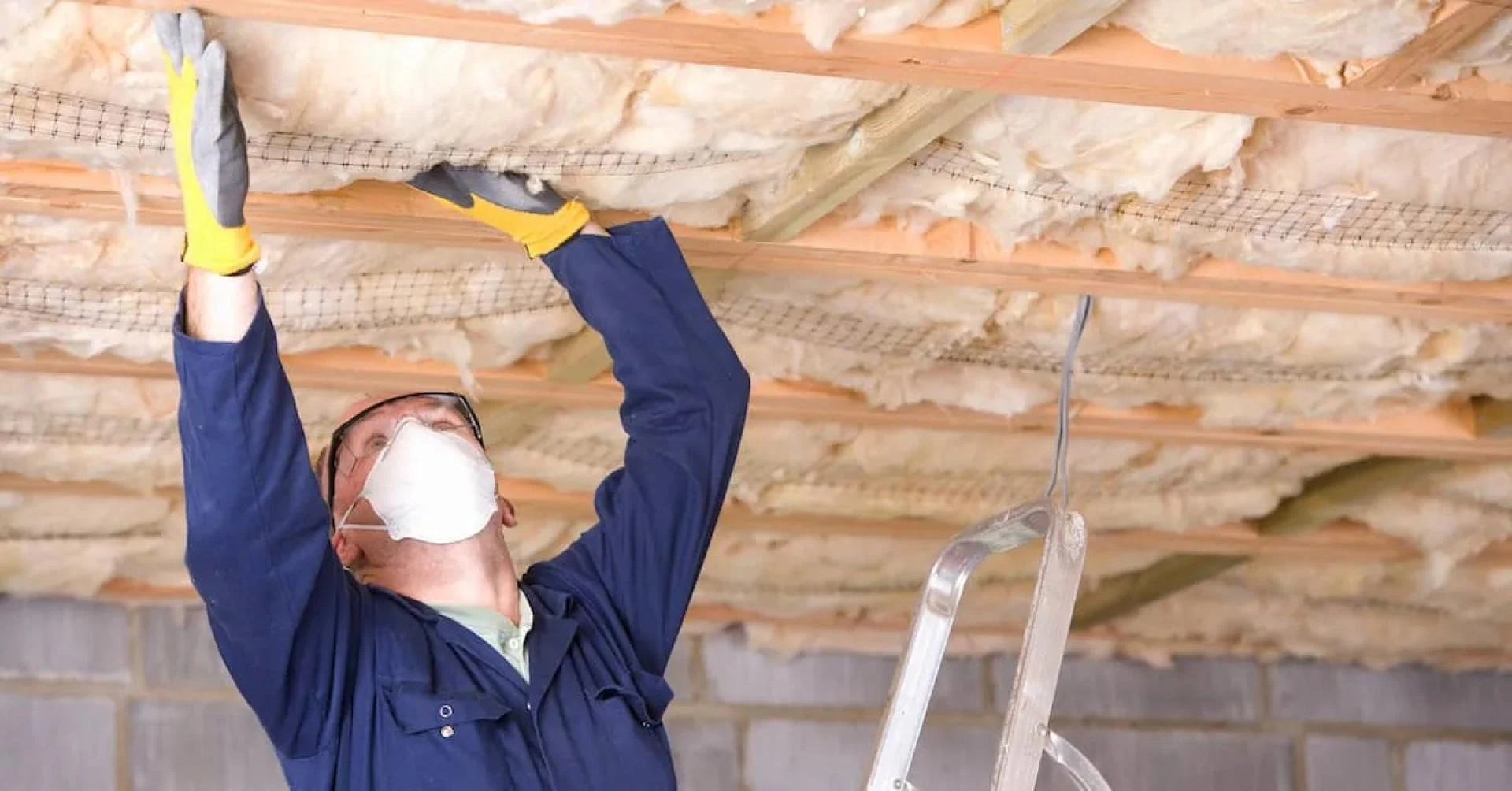
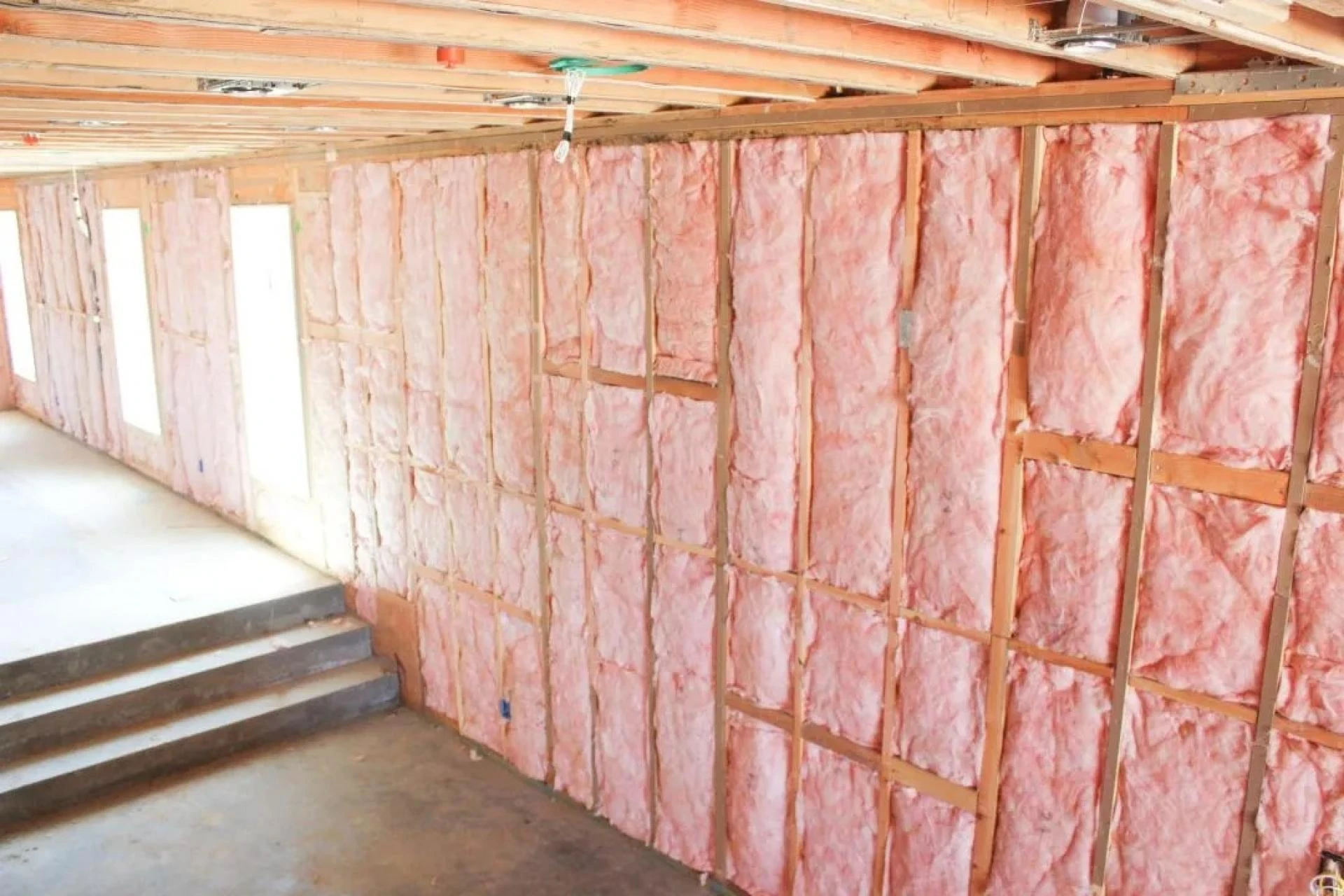
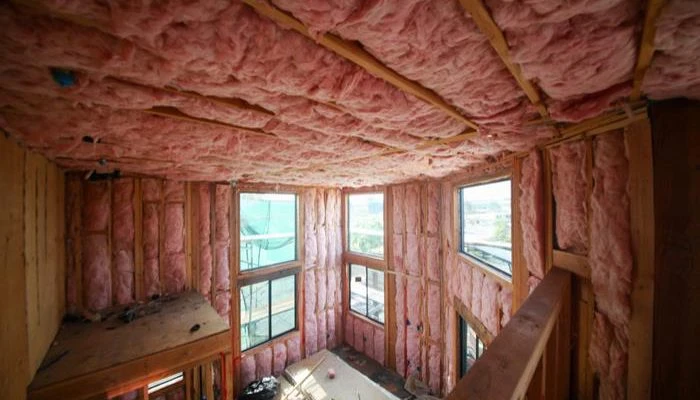
A professional installation ensures that the insulation material forms an unbroken layer of protection. When installing batts, for example, a skilled technician will meticulously cut and fit the material around every pipe, wire, and electrical box to eliminate gaps. When using a blown-in material in an attic, they will ensure it is installed to a uniform depth, creating a seamless blanket. This attention to detail ensures that every part of the home is protected to the same high standard.
The Power of a Complete Air Seal
This is the element that truly changes a home’s comfort. Modern building science has proven that stopping uncontrolled air movement is the key to creating a stable indoor environment. This is where materials like spray foam insulation excel. Because it is applied as a liquid, it expands to fill every single crack and seam, creating a perfect air barrier.
By stopping the air leakage, you eliminate drafts and hot and cold spots at their source. You also keep the conditioned air you have paid for inside the house, allowing your HVAC system to easily maintain the temperature you have set on your thermostat.
Bonus Tip: One of the most common sources of uneven temperatures is the room located over a garage. The garage is an unconditioned space, and if the floor of the room above it is not properly insulated and air-sealed, it will be exposed to extreme temperatures. A professional can often solve this common problem by applying spray foam to the underside of the floor.
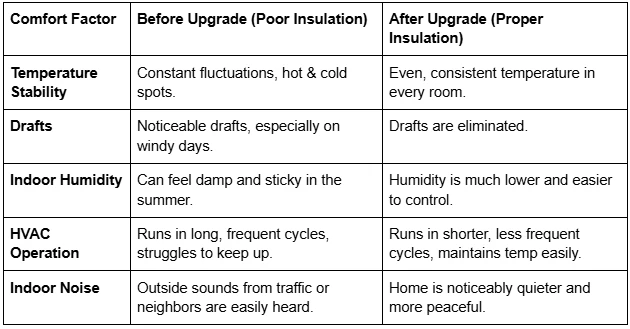
The difference in a home's environment before and after a professional insulation upgrade is significant:
Things to Consider for a More Comfortable Home
Achieving consistent, year-round comfort is about treating your house as a complete, interconnected system.
- Prioritize the Attic: For most homes, the attic is the single biggest source of comfort problems. A professional attic insulation upgrade is almost always the most impactful place to start.
- A Whole-Home Approach: The attic, the walls, and the crawl space or foundation all work together as the "building envelope." A professional contractor can help you identify the weakest points in this envelope and create a prioritized plan for improvement.
- The Importance of Professional Installation: The performance of any insulation material is only as good as its installation. It is a job that requires skill, attention to detail, and a solid understanding of how heat and air move.
Bonus Tip: The attic access hatch or pull-down stairs is a very common weak point in a home's thermal envelope. Even in an otherwise well-insulated attic, an unsealed and uninsulated hatch acts like a massive hole in your ceiling. A professional will always ensure the hatch is properly insulated and weather-stripped.
Common Questions About Home Comfort
My house is new, so why is it uncomfortable?
Unfortunately, many new homes are built with only the bare minimum of insulation required by the building code, with little attention paid to proper air sealing. Building codes are focused on minimum safety and energy standards, not on optimal comfort for the homeowner. Even a newer home can often benefit significantly from an insulation upgrade.
Will new windows solve my comfort problems?
While old, leaky windows can be a source of discomfort, they are usually a much smaller part of the problem than a poorly insulated attic or leaky walls. In most cases, you will get a much bigger improvement in comfort and energy savings by investing in air sealing and insulation first.
Will this help with my allergies?
Yes, it can. By sealing the air leaks, you are also stopping the infiltration of outdoor allergens like pollen and dust. This can lead to a noticeable improvement in indoor air quality.
Final Thoughts on Achieving True Comfort
A comfortable home isn't an accident; it's the result of a well-designed and professionally installed insulation system. Creating a complete barrier allows your home to work with its HVAC system, not against it. By controlling both heat transfer and air leakage, you can finally end the constant battle with the thermostat and enjoy a stable temperature in every room, no matter the weather outside.
Get a Professional Home Comfort Assessment
If you are ready to solve your home's comfort problems for good, the first step is a professional evaluation. An experienced insulation contractor can diagnose the root causes of your discomfort and create a customized plan to fix them. For homeowners looking for an expert assessment, the team at Premier Insulation offers comprehensive consultations. They can be reached by email at [email protected] or by phone at (229) 554-3939.
Reviewer: Jack Parker, a spray foam professional with 7 years of experience, reviewed this post and helped improve sections dealing with brand clarity and customer communication.