The world of robotics is rapidly advancing, with smart machines becoming essential in industries from manufacturing to healthcare. Behind these innovations lies a less visible but vital process: 3D annotation. It provides robots with the ability to perceive, understand, and interact with the physical world. As technology spreads across global markets, the need for multilingual 3D annotation services has become increasingly important. This approach bridges communication gaps and ensures robots can be trained effectively in diverse environments.
Enhancing Global Collaboration in Robotics
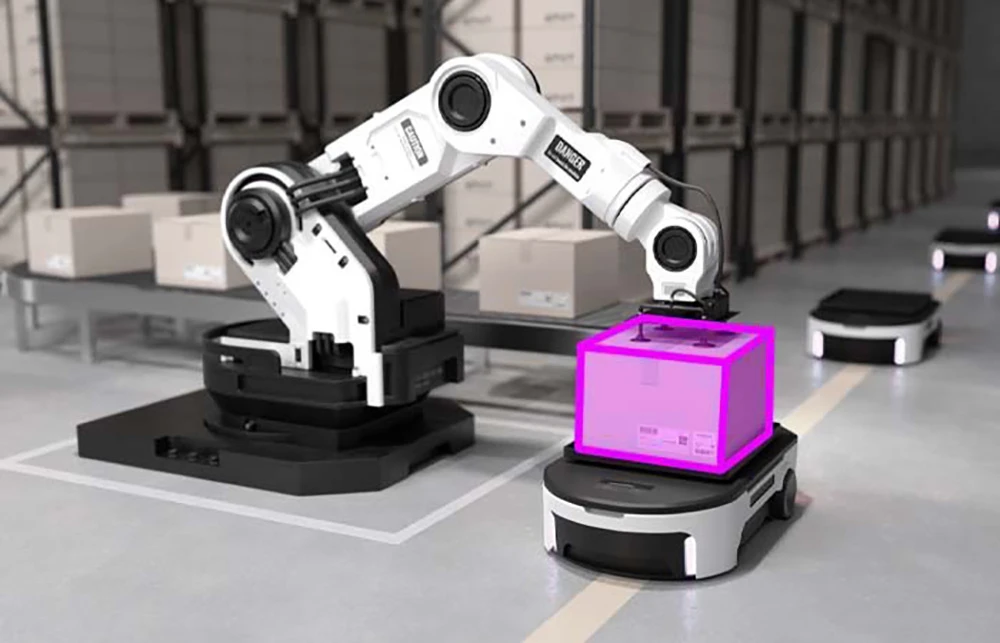
Robotic systems rely on large volumes of annotated 3D data to recognise objects, navigate spaces, and perform complex tasks safely. When this process is supported by multilingual 3D annotation services, it allows international teams to work seamlessly across linguistic boundaries. Engineers, data scientists, and annotators can collaborate using datasets labelled in multiple languages, reducing misunderstandings and improving efficiency.
This inclusivity not only supports diverse workforces but also ensures that training data is culturally and linguistically relevant. For example, a robot deployed in Japan may need different visual cues compared to one used in Australia or Germany. By incorporating multilingual input, datasets become more adaptive and applicable to varied global markets. This alignment boosts the robot’s contextual understanding, leading to smoother real-world integration.
Improving Accuracy and Local Adaptability
The quality of annotated data directly affects a robot’s ability to perform tasks accurately. When annotations are multilingual, they enhance a system’s ability to interpret information from different regions without confusion. For instance, an autonomous delivery robot trained with multilingual 3D annotation services can distinguish local signage, packaging labels, and environmental symbols across different languages.
Such localisation helps robotics systems adapt to regional variations, improving navigation and interaction in real-world settings. It also minimises the need for repeated training when robots are deployed in new locations. In essence, multilingual annotations make data more versatile and reliable, reducing operational challenges and improving long-term system learning.
Supporting Innovation and Ethical AI Development
As robotics continues to evolve, the ethical handling of training data remains a major concern. Multilingual annotation contributes to this goal by promoting inclusivity and reducing cultural bias in datasets. Diverse language inputs ensure that systems are not overly tailored to a single demographic or linguistic group. This diversity fosters fairer and more balanced machine learning outcomes, which are essential for global applications like public service robots or international logistics systems.
Moreover, multilingual annotation empowers researchers and developers to push innovation further. With richer, more varied datasets, robots can learn to interpret the world with greater nuance. This paves the way for advancements in fields such as automated driving, drone navigation, and robotic healthcare support.
Building a Smarter, More Connected Future
Robotics is fundamentally about connecting and linking human intention with machine capability. Multilingual 3D annotation services play a quiet but crucial role in this relationship. They ensure robots are not limited by language barriers, making them adaptable and effective across cultures and industries.
As automation continues to shape the global economy, the demand for accurate and culturally aware data will only grow. By combining linguistic diversity with technical precision, these annotation services enable robots to operate more intelligently and safely in an interconnected world. The result is a smarter, more inclusive approach to innovation, one where machines can understand not just their surroundings, but the people within them.
In a rapidly evolving digital landscape, the integration of multilingual 3D annotation services ensures robotics keeps pace with human diversity, bridging gaps between technology and society with both precision and understanding.