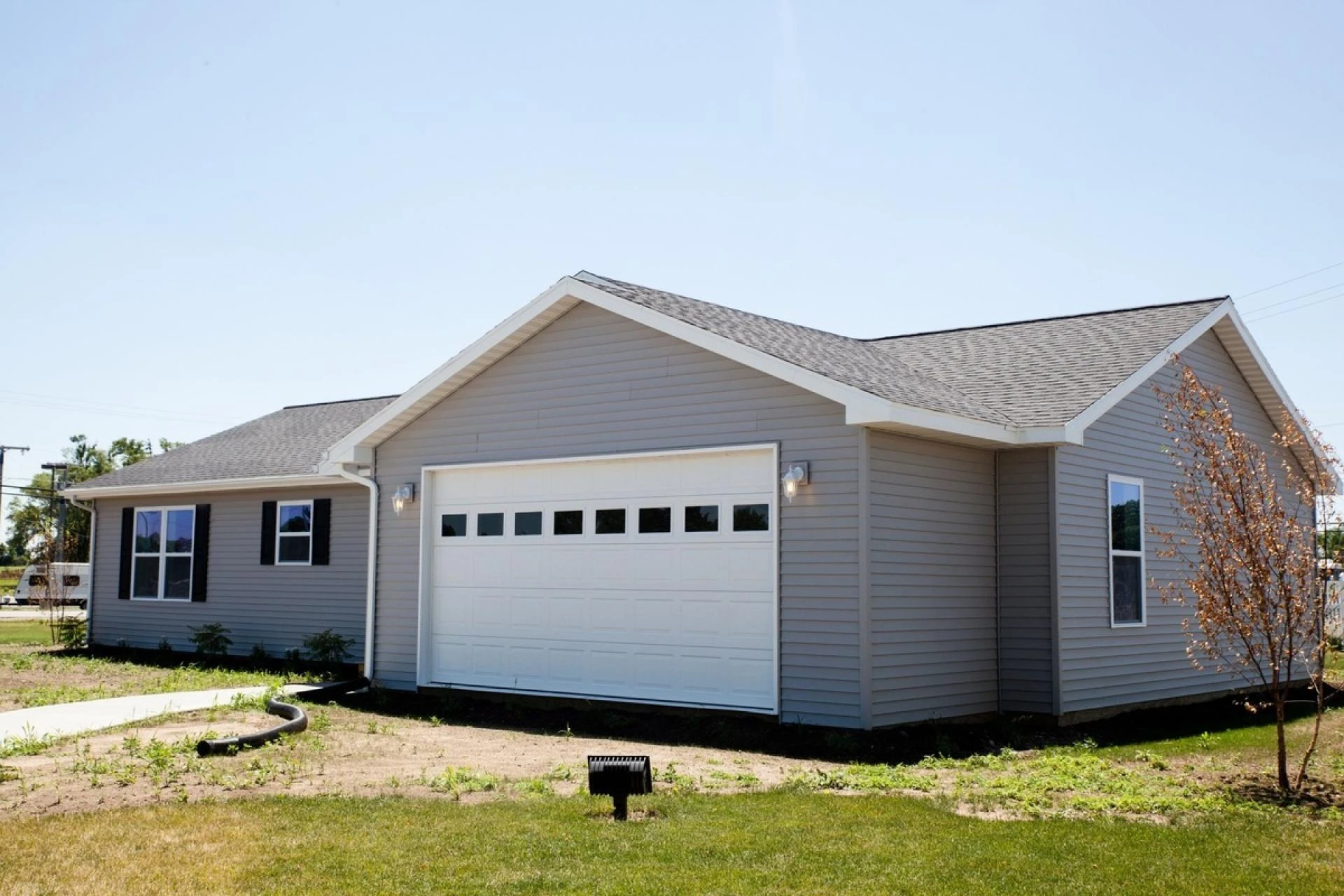
A house purchase is a major life event. The modular home is a great alternative to the traditional house. It offers style, affordability, and comfort. It is built inside the factory in modular sections and then delivered to your land. A modular house is similar to a traditional home, except that the construction process can be faster and cost-effective.
A Modular Home’s Base Price
The base price of a modular home usually covers the structure itself and the basic building components. For a standard 2,000-square-foot modular home, the average cost per square foot ranges between $50 and $120. This means the starting cost could fall anywhere from $100,000 to $240,000.
However, this figure should only be viewed as a starting point. Once you factor in custom layouts, the location of your property, and design preferences, the total investment will likely increase. Many buyers underestimate the number of additional and hidden costs that come with turning a modular house into a move-in-ready home.
In the second section, we will highlight an important part of construction that is often overlooked. Before construction, it is common to prepare a comprehensive list of the construction takeoff. The takeoff includes all of the material needed to complete the project. From wood, metal, paint, and insulation, it is a comprehensive list. This will help owners and builders to understand what the project costs are. The project could be delayed or costs can rise without taking this step. By establishing a precise material takeoff, both the purchaser and the builder will have the roadmap they need to keep costs down while maintaining quality.
Preparation of Land and Site
The condition of your land plays a significant role in the overall cost. If your lot is flat, dry, and already cleared, you may save thousands of dollars. But if the site requires major work such as clearing trees, grading uneven ground, or digging trenches, expenses can rise quickly.
Site preparation often includes tasks such as:
- Removing trees, rocks, or existing structures
- Grading the land for proper drainage
- Digging trenches for plumbing and utilities
Depending on how much work is required, site preparation can add between $10,000 and $40,000 to your project.
Choosing the Right Foundation
Every modular home needs a strong foundation, and the choice you make will directly affect your budget. Local building codes, soil type, and climate all play a role in deciding which foundation is best.
Typical foundation costs include:
- Concrete slab: $10,000 – $20,000
- Crawl space: $15,000 – $25,000
- Full basement: $30,000 – $70,000
While basements are the most expensive option, they can also add significant storage and living space, which may increase the home’s resale value.
Delivery and Assembly
Once the sections of your modular home are manufactured in the factory, they must be transported to your site. The cost of delivery depends largely on the distance between the factory and your property. Delivery typically ranges from $5,000 to $15,000.
After delivery, cranes and labour crews are needed to assemble the sections and secure them on the foundation. This phase can cost $20,000 to $50,000, depending on the size and complexity of the home.
Interior Finishes
The inside of your home is where personal style comes into play. While the base model may include standard finishes, most homeowners choose upgrades to make the space truly theirs.
Standard finishes can cost $30,000 to $60,000.High-end finishes can push costs well over $80,000.Your budget for finishes will depend on how much luxury and detail you want in your home.
Plumbing, Heating & Electrical
A modular home is not complete without proper systems for heating, cooling, plumbing, and electricity. Installation costs vary depending on the size of the home, the type of systems chosen, and local code requirements.
For a 2,000-square-foot home, expect to spend $25,000 to $50,000 for these essentials. This includes HVAC systems, water heaters, ventilation, wiring, and fixtures.
Charges and Permits
Every region has its own regulations for construction. Permits, inspections, and code compliance fees can range from a few hundred dollars to several thousand. Skipping this step is not an option, as failing to meet building codes can result in fines or delays.
It is best to budget for these administrative costs early so they do not become an unexpected financial burden.
Total Estimated Cost
When all expenses are combined—base price, land prep, foundation, delivery, assembly, finishes, systems, and permits the total cost of a modular home can range from $180,000 to $400,000 or more.
This wide price range reflects the many variables involved, such as design choices, land conditions, and personal upgrades. Careful planning and budgeting are essential to avoid unpleasant surprises.
Comparing Costs to Traditional Homes
One of the biggest advantages of modular homes is cost savings. A traditional site-built home of the same size may cost between $250,000 and $500,000.
Why are modular homes less expensive?
- They are built in factories, which reduces waste and keeps material costs lower.
- Construction is faster, saving time and labour costs.
- Weather delays are virtually eliminated, ensuring efficient project timelines.
Importantly, modular homes are built to the same construction codes as traditional homes, meaning you are not sacrificing safety or quality.
How much it costs depends on several factors
A number of factors can influence final costs:
- Prices in cities may be higher because of the cost of labor and other fees.
- A basic box is more affordable than an intricate, multi-angled design.
- Standard materials will cost you less than upgrading to luxury.
- These rates are subject to change.
- Transporting goods from a distance away will cost more.
Modular Homes Have Many Advantages
- Faster construction time, usually three to six months.
- The cost is lower than a site-built home.
- It is a sign of quality that the factory where work takes place has strict control over conditions.
- Energy Efficiency due to Better Insulation and Sealed Construction
- Upgrades and floorplans are available to suit your needs.
Modular Homes: The challenges
- A site that is not properly prepared can cost a lot.
- Transporting large parts requires planning.
- Some lenders make financing more difficult.
- It can take longer and cost more to design custom items.
How to Plan a 2000 Square Foot Module Home
To be successful, you must plan. To begin, set a firm budget. After that, select the location carefully. A detailed estimate can be obtained by contacting local builders. Make sure that all materials are included in the estimate. Comparison of different designs and finishes will allow you to choose the best option for your needs. Verify all permits before you start. Last but not least, be prepared for unexpected expenses. Set aside 10 percent of your budget.
Final thoughts
It is easy to see why a home with 2000 square feet of space would be the right choice for many people. A 2000 square foot modular home provides comfort, space and great value. Even though the initial price is low, don't forget to take into account all of the other costs including land, foundations and deliveries. It is possible that the final cost will be in the range of 180,000-400,000 dollars. When planned carefully, a modular building is a good way to get a durable, high-quality house.
FAQ
What Is The Time Required To Construct A Home Of 2000 Square Feet Modular?
From the moment you start designing your home, to when it's time to move in depends on whether or not land is prepared and all permits are obtained.
Are Modular Homes Cheaper Than Traditional Houses?
You can save up to 20% on the cost of traditional homes by building them in a modular format.
Are Modular Homes As Durable As Conventional Houses?
With proper maintenance, yes. They are modular homes and they follow the same construction codes.