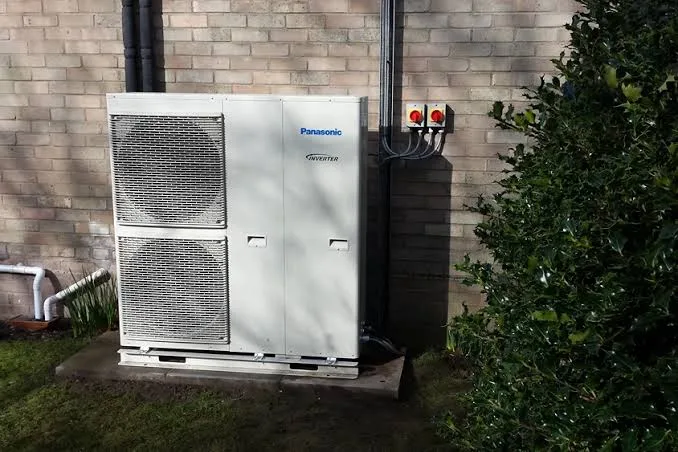
Choosing an energy-efficient heating system can make a noticeable difference to household energy bills, particularly during Melbourne’s cold winter months. If you are looking for an alternative to conventional gas or electric heating, a Panasonic heat pump could be worth considering. Heat pumps use electricity to transfer heat from the outside air rather than generating all their heat directly, which can make them an efficient option for home heating and hot water.
But how much can you actually save with a Panasonic heat pump in Melbourne? The answer depends on your current heating system, household energy usage, electricity tariffs, installation costs and the efficiency of the heat pump you choose.
How Does a Panasonic Heat Pump Work?
A heat pump transfers thermal energy from one location to another. Instead of burning gas or using an electric resistance element to generate heat, it extracts heat from the surrounding air and moves it into your home or water system.
A typical air-source heat pump uses a refrigerant cycle involving an evaporator, compressor, condenser and expansion valve. This process allows it to deliver more heat energy than the electrical energy it consumes under suitable operating conditions.
Depending on the model and application, Panasonic heat pump technology can support different heating requirements. For example, an air-to-water heat pump can supply heated water to a compatible hydronic heating system, while a heat pump designed for domestic hot water serves a different purpose.
For homeowners exploring panasonic heat pumps Melbourne, choosing the right system starts with identifying whether you need space heating, hot water or both.
How Much Can You Save With a Panasonic Heat Pump?
There is no single saving figure that applies to every Melbourne household. Your potential savings depend primarily on what you are replacing and how efficiently your current system operates.
The following examples illustrate how annual running costs can differ. These are hypothetical calculations, not guaranteed savings or verified Panasonic product performance figures.
Heating systemExample annual running costExisting gas heating$1,800Conventional electric resistance heating$2,400Heat pump system$1,200These figures are illustrative only. Actual costs will vary depending on household demand, energy prices, system efficiency and usage patterns.
Using these assumptions, a heat pump costing $1,200 per year to operate could deliver:
- $600 per year compared with gas heating costing $1,800.
- $1,200 per year compared with electric resistance heating costing $2,400.
The calculations demonstrate why comparing your existing energy bills with the expected performance of a proposed heat pump is essential.
For a more accurate estimate, request a system assessment that considers your property's heating requirements, the proposed model's performance data and your current electricity and gas tariffs.
1. Why Panasonic Heat Pumps Can Reduce Energy Costs
One of the main advantages of a heat pump is its ability to transfer heat rather than generate it directly. Panasonic's air-to-water heat pump range is designed to provide efficient home heating and hot water, depending on the system configuration.
According to Panasonic, its air-to-water technology can produce up to five times the energy output of traditional boilers and electric heaters under specified conditions. Actual efficiency depends on the model and operating environment.
This can translate into several financial benefits.
- Lower energy consumption: A properly sized heat pump can reduce the electricity required to deliver a given amount of heat compared with conventional electric resistance heating.
- Reduced dependence on gas: Replacing a gas boiler with an electric heat pump can help households reduce their gas consumption and potentially simplify their energy arrangements.
- Heating and hot water in one system: Compatible Panasonic air-to-water models can provide space heating and domestic hot water, helping meet multiple household needs.
- Potential long-term savings: Lower running costs can help offset the initial installation expense over the system's useful life.
The most important consideration is to compare the heat pump's expected annual energy consumption with the actual cost of operating your existing heating system.
2. Is Panasonic Hydronic Heating Suitable for Melbourne Homes?
Melbourne experiences cold winters, fluctuating temperatures, and periods when households need consistent heating throughout the day. These conditions make system selection and energy efficiency particularly important.
Panasonic Hydronic heating in Melbourne is a relevant consideration for homeowners who prefer the comfort of hydronic heating while looking for an alternative to conventional gas boilers.
Panasonic's air-to-water heat pump system transfers heat to water that can circulate through compatible hydronic radiators or underfloor heating pipes. Depending on the model and installation design, the technology can also support cooling and domestic hot water.
Here are some reasons Melbourne homeowners may consider this option:
Consistent indoor comfort
Hydronic systems distribute warmth through radiators or underfloor pipes rather than relying entirely on forced air. This can be attractive for households seeking comfortable, evenly distributed heating.
Potentially lower running costs
Replacing an older gas boiler or electric resistance heating system with a suitably designed heat pump may reduce energy costs. However, the savings depend on the existing system's efficiency, electricity and gas tariffs, and the heat pump's seasonal performance.
Suitable options for colder conditions
Panasonic offers different air-to-water models for residential applications. Its T-CAP range is designed to maintain heating capacity in very low outdoor temperatures, with specified models supporting operation down to -20°C.
An installer should assess your home's heating load, radiator sizing, insulation and required water temperatures before recommending a model.
3. What Factors Affect Your Potential Savings?
Even two households using the same heat pump can experience different running costs. Several factors influence how much you could save.
Your existing heating system
Your starting point matters. Replacing an inefficient electric resistance heater may produce a different result from replacing a modern, efficient gas system. Ask for a comparison based on your actual consumption rather than relying on general savings claims.
Property size and insulation
Larger homes generally require more heating energy. Poor insulation, draughts and single-glazed windows can increase heat loss, forcing your heating system to work harder.
Improving insulation, sealing gaps and using suitable curtains can help reduce heating demand and improve the value you get from an efficient system.
Electricity tariffs and solar panels
Your electricity plan can significantly affect running costs. If you have rooftop solar, operating the heat pump during periods of surplus solar generation may reduce the amount of electricity you purchase from the grid.
Smart controls and scheduling can help you take advantage of suitable electricity tariffs and available solar generation.
System sizing and installation
An incorrectly sized system can increase energy consumption or struggle to maintain comfortable temperatures. Professional system design is particularly important when replacing a boiler in an existing hydronic installation.
4. How Can You Maximise Your Heat Pump Savings?
Choosing an efficient model is only part of the process. The way your system is designed and operated also matters.
Consider these practical steps:
- Choose the right capacity. Have your home's heating requirements assessed before selecting a model.
- Improve insulation. Address draughts, roof insulation and other sources of heat loss.
- Use smart controls. Schedule heating around your household routine and suitable electricity tariffs.
- Make use of solar power. Where practical, run compatible systems when rooftop solar generation is available.
- Maintain the equipment. Follow the manufacturer's maintenance recommendations to help preserve performance.
- Compare energy plans. Review electricity rates and, if you retain gas appliances, your gas supply charges as well.
For Melbourne homeowners, these steps can help turn the efficiency advantages of heat pump technology into meaningful household savings.
5. Are Government Rebates Available for Heat Pumps in Melbourne?
Government incentives may reduce the upfront cost of installing an eligible heat pump, making the transition more affordable.
Victoria has offered rebates and discounts for certain eligible hot water heat pumps through programs such as Solar Victoria's hot water rebate and the Victorian Energy Upgrades program. Eligibility, approved products, installation requirements and available amounts can change.
It is important to distinguish between a heat pump for domestic hot water and an air-to-water heat pump for hydronic space heating. They serve different purposes, and an incentive available for one category does not automatically apply to the other.
Before making a purchase, check the current program requirements and confirm whether your chosen Panasonic model and proposed installation qualify. Ask your installer to provide an itemised quote showing equipment, labour, any required electrical upgrades and applicable incentives.
6. Is a Panasonic Heat Pump Worth the Investment?
A Panasonic heat pump may be a worthwhile investment if you want to improve heating efficiency, reduce reliance on gas or combine hydronic heating with other compatible household functions.
However, the best choice depends on more than the advertised efficiency rating. Consider the total installed cost, estimated annual running costs, expected maintenance, system lifespan and the performance of your existing equipment.
Requesting a tailored assessment from an experienced installer can help you understand the likely savings for your property rather than relying on generic estimates.
When comparing Panasonic heat pumps Melbourne, look for a recommendation that accounts for Melbourne's winter conditions, your home's insulation, your preferred indoor temperature and your household's energy tariffs.
Frequently Asked Questions
How much can a Panasonic heat pump save per year?
Savings vary according to the existing heating system, energy tariffs, usage and installation. For domestic hot water, Victorian government guidance indicates that replacing a gas hot water system with a quality heat pump may save around $400 annually in some circumstances. This figure should not be treated as a guaranteed saving for a Panasonic hydronic space-heating system.
Can a Panasonic heat pump replace gas hydronic heating?
A compatible Panasonic air-to-water heat pump can replace a gas boiler in a suitably designed hydronic heating installation. An installer must check the existing radiators or underfloor heating, system temperatures and heating capacity before confirming suitability.
Do Panasonic heat pumps work during Melbourne winters?
Panasonic offers air-to-water models designed for cold conditions. The performance of each system depends on its specifications, outdoor temperatures and installation. Selecting the right model is essential for maintaining comfort during colder periods.
Can solar panels make a Panasonic heat pump cheaper to run?
Yes. Using surplus rooftop solar electricity to operate a compatible heat pump can reduce reliance on grid electricity. The amount saved depends on solar generation, household consumption, system controls and your electricity tariff.
How do I calculate my potential savings?
Compare your current annual heating costs with the estimated annual running cost of the proposed system. Then consider installation costs, applicable rebates and any changes to gas supply charges to understand the potential payback period.
Conclusion
A Panasonic heat pump can offer Melbourne homeowners an opportunity to reduce energy consumption while maintaining comfortable indoor temperatures. Its potential financial benefits are particularly worth investigating when replacing an older heating system or planning a new hydronic installation.
The actual savings depend on your home, existing equipment, energy tariffs and the selected model. By comparing running costs, improving insulation, using smart controls and checking available incentives, you can make a more informed decision about whether a heat pump suits your budget and heating needs.
If you are considering Panasonic Hydronic heating in Melbourne, arrange a professional assessment to understand the right system for your home and obtain a realistic estimate of installation costs and ongoing savings.