Technology is moving fast. So is money. And so is the way we create things. These three forces are not separate anymore. They are deeply connected. Together, they are changing how businesses grow, how artists work, and how everyday tasks get done. If you want to understand what is happening right now, you need to look at all three.
The Money Flowing Into AI Is Hard to Ignore
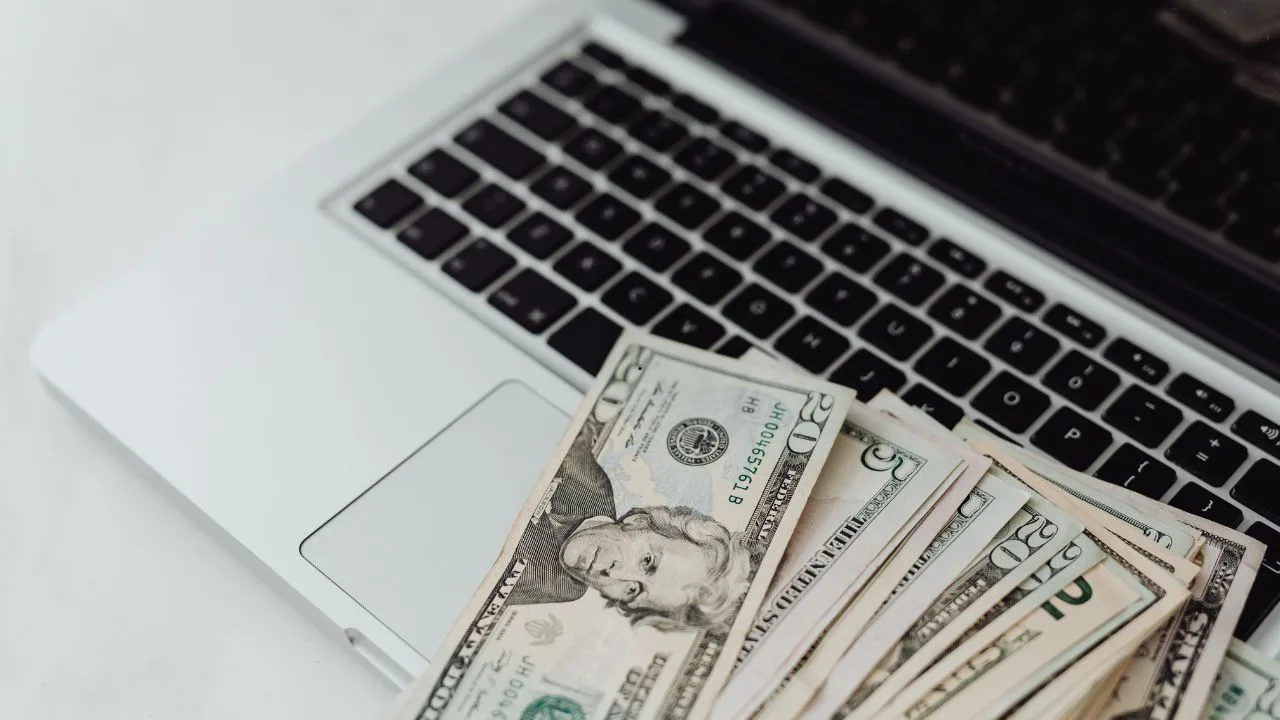
Let's start with funding. In the past few years, investors have poured billions of dollars into technology companies. But not just any technology. The focus has clearly shifted to artificial intelligence. Every week, there is a new headline about a startup raising millions or even billions of dollars.
This wave of AI startup funding is not slowing down. In fact, it is picking up speed. Investors see AI as the next big platform shift, similar to the internet in the 1990s. They want to get in early. So they are writing large checks to small teams with bold ideas.
Why does this matter to regular people? Because the companies getting this money are building tools that affect daily life. Think about the apps you use for shopping, health, or communication. Many of them are now powered by AI in some way. The funding behind them is what made those tools possible.
Here are some key reasons investors are drawn to AI startups right now:
- AI can reduce costs for businesses at a large scale
- It opens new markets that were not possible before
- Demand for AI tools is growing across every industry
- The technology is maturing and showing real results
Of course, not every startup will succeed. Most of them won't. But the overall trend is clear. AI startup funding is reshaping entire industries, from healthcare to finance to education.
Creativity Is Changing Too
Now, let's talk about art. This might seem like a different topic. But actually, it connects directly to technology and money. Because AI is also changing how creative work gets made and shared.
For centuries, art was made by hand. It required skill, time, and physical tools. That is still true in many ways. However, the process has changed a lot. Digital tools, software, and now AI are giving artists new ways to express themselves. Some people find this exciting. Others find it unsettling.
Art in the modern era is no longer just about a painter in a studio or a writer at a desk. It also includes digital artists, content creators, and designers who use technology as part of their process. The line between human creativity and machine assistance is getting blurry. And that is sparking real debate.
Some artists worry that AI tools will replace them. That fear is understandable. But many others see these tools as useful additions, not replacements. They use AI to brainstorm, to generate rough ideas, or to speed up parts of their work that used to take hours.
Regardless of where you stand, one thing is clear. Art in the modern era looks very different from what it did twenty years ago. And it will look even more different twenty years from now. Technology is a big part of that change.
Automation Is Doing the Heavy Lifting
Beyond funding and creativity, there is another shift happening quietly in the background. It is automation. Specifically, the way data is being handled.
Businesses deal with massive amounts of information every day. Sales numbers, customer records, website traffic, financial reports. In the past, managing all of this required large teams and many hours of manual work. That is changing fast.
Data automation is now at the center of how modern companies operate. Instead of having employees copy data from one system to another, software does it automatically. Instead of waiting days for a report, managers can see live dashboards. This saves time and reduces mistakes.
The benefits are significant:
- Teams can focus on strategy instead of repetitive tasks
- Errors from manual data entry are reduced
- Decisions get made faster with real-time information
- Smaller teams can do the work that used to need larger ones
As a result, companies that adopt data automation early tend to grow faster. They are more efficient and more responsive. This is another reason why AI startups are attracting so much investment. Many of them are building automation tools for businesses.
These Three Trends Are Connected
It is easy to look at AI funding, creative work, and automation as separate topics. But they are actually part of the same story. Funding fuels the tools. The tools change how work gets done. And that includes creative work as well as business work.
Think about it this way. A well-funded AI startup builds a new design tool. That tool changes how artists approach art in the modern era. Meanwhile, the same company uses data automation to run its own operations efficiently. Everything feeds into everything else.
This kind of interconnection is what makes the current moment so interesting. Changes in one area quickly ripple into other areas. So it is important to pay attention to all of them, not just one.
What Should You Take Away From All This?
First, money is flowing into AI at a scale we have not seen before. The wave of AI startup funding will keep producing new tools and companies for years to come. Some will change the world. Some will fail. But the trend is real.
Second, creativity is evolving. Artists and creators are adapting to new tools. Art in the modern era is a blend of human skill and digital assistance. That is not a bad thing. It is just a new thing.
Third, automation is removing friction from business. Data automation is helping companies work smarter. It is freeing up people to focus on higher-value tasks rather than routine data handling.
Together, these three shifts are building a new kind of economy. It is faster, more creative, and more efficient than what came before. The best way to navigate it is to stay curious, keep learning, and pay attention to how each of these forces is developing.
The world is not standing still. Neither should we.