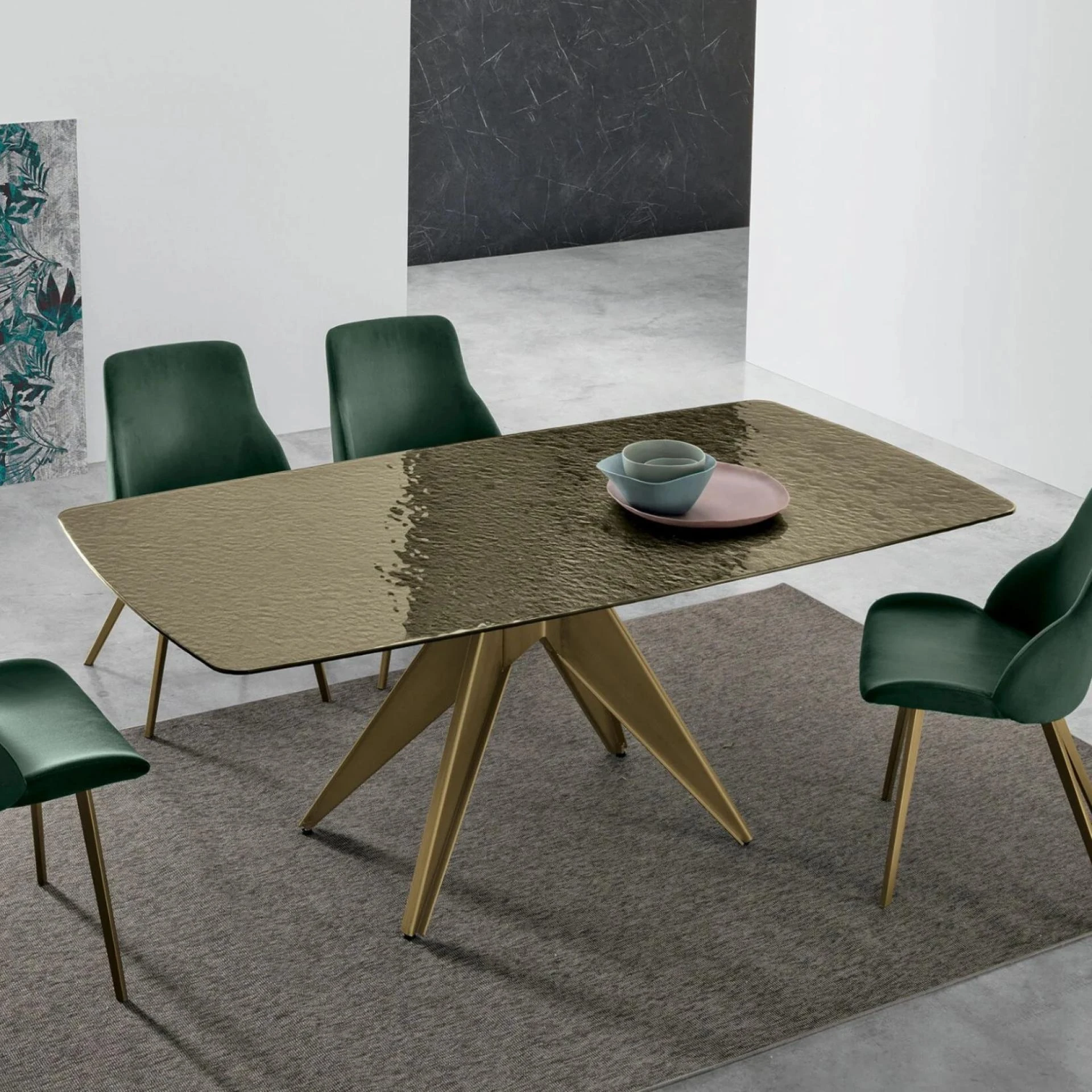
Modern interior design is based on practicality as well as adaptability and the efficient utilization of the space. for urban or compact residences, furniture has to fulfill multiple functions without sacrificing design. A modular coffee table is among the best innovations that can meet the demands of modern times. It's designed to adjust to the changing layouts, functional requirements and demands of life changing the way homeowners think about the organization of their living spaces.
In urban areas where the living space have a smaller average of under 700 sq ft, furnishings with the highest utility value is vital. Based on data from Statista 2025 More than 60% of the new urban homes across Europe as well as the UK are now open-plan. The trend requires furniture that is multi-functional which can seamlessly transition between relaxing working, dining, and relaxation tasks. Modular designs meet the requirements of these users by allowing for moving sections, adjustable heights as well as integrated storage. Contrary to traditional tables, which have the same space the modular models can be expanded and fold down or move depending on the use.
The attraction of modular furniture is the engineering expertise and clever design. An average modular coffee table has interlocking segments that connect easily using hidden hinges or connectors with magnetic technology. They allow users to change shapes, such as rectangular, square depending on the available space. There are models that have floating platforms or stackable tiers which can be used as side tables, desks, or even table. Made of materials like glass with tempered edges, MDF with high-gloss finishes or aluminum frames the tables offer durability and minimal design.
Ergonomics in design play an important part in the functionality. The typical height of a coffee table is between 16-18 inches. This is comfortable with the sofa seats for day-to-day usage. Modular tables usually come with an adjustable height range of 14 up to 22 inches. This allows the conversion of tables into laptop or dining tables. This is especially beneficial for co-living or studio areas where one space can serve multiple functions. The research conducted by the Ergonomic Design Association shows that height-adjustable furniture will increase comfort for users by 35%, improving the posture of the user and decreasing strain from extended usage.
One of the advantages that modular furniture offers is the ease of storage integration. A lot of tables have concealed drawers, tops that lift up as well as nested compartments that can keep remotes, books, or other dining equipment. In small homes, in which clutter is likely to build up rapidly, these solutions help maintain an orderly appearance while making the most of available space. A high density MDF and hydraulic hinges ensure durability even in the event of frequent repositioning and ensuring long-term stability.
Modular design also helps support the trend of sustainable living. Since consumers are becoming environmentally mindful, furniture that adjusts to the changing demands reduces need for regular replacement. Modular tables are made to last, which allows customers to modify or replace components instead of throwing away all of the furniture. Companies are increasingly using recycled materials like bamboo composites, steel as well as engineered wood that is that are certified through the Forest Stewardship Council (FSC). These are in line with the latest environmental standards for sustainability that emphasize longevity expansion and reducing waste.
Its aesthetic flexibility is another key aspect in modular furniture. Design trends for 2025 is based on clean designs, neutral colors and practical geometry. An modular coffee table is a perfect match for this style by providing customizable finishes as well as removable tops. The homeowner can choose between glossy and matte lacquered finishes to fit seasonal design or changing interior themes. Modifying elements allows for design continuity, without having to replace everything, which is affordable and environmentally conscious.
Lighting and layout affect how furniture is perceived. Modular furniture can enhance lighting and balance thanks to their light-weight design and reflective surfaces. For example, high-gloss white or transparent surfaces enhance the brightness of smaller spaces by reflecting lighting. Modular tables that are compact and have the legs of acrylic or metal visually enlarge the room giving the impression of more space. Small, yet precise aspects make a huge impact on how spacious the small house appears.
Modern advancements in the field of smart furniture increase modular capability. Tables now have wireless charging panels or LED accent lighting or USB ports to allow for the integration of devices. According to the HomeTech Insights report 2025 around 40 percent of furnishings producers have integrated digital components into their modular furniture. The additions are targeted at those who can use their living area as both an area for work and leisure. A blend of practicality and technology is the new standard for modular furniture.
Modular tables' utility goes beyond the everyday usage. They're ideal for different living arrangements, for example, rental properties or shared accommodation, in which spaces are frequently reconfigured. Owners of homes can break up components for personal use, or arrange them in a stack when they are not required. This flexibility is beneficial to the mobility of urban areas, since light tables that are modular are much more transportable than traditional solid furniture. The modular system also enables design personalization--users can mix colors, materials, or shapes to create unique layouts suited to their taste.
Style, comfort, and technological precision are the hallmarks of modern furniture for living rooms. Since more people are adopting an interdisciplinary lifestyle that combines working and relaxing in their homes, furniture needs to adapt to changing needs. Modular coffee tables lead the way, providing adaptability as well as ergonomic and structural toughness. They can transform rooms with minimal visual clutter is what is a major feature for minimalist design.
The current landscape of design the multi-functionality of furniture is no longer an option but rather a requirement. Furniture is expected to change to meet their requirements, ensuring longevity of use. Combining cutting-edge material, smart design and a sustainable design this modular coffee table is a perfect example of the modern design and innovation in interiors. It is a paradigm shift in not just how smaller homes are decorated however also the way they work, offering the flexibility of organisation as well as timeless style within a compact design.