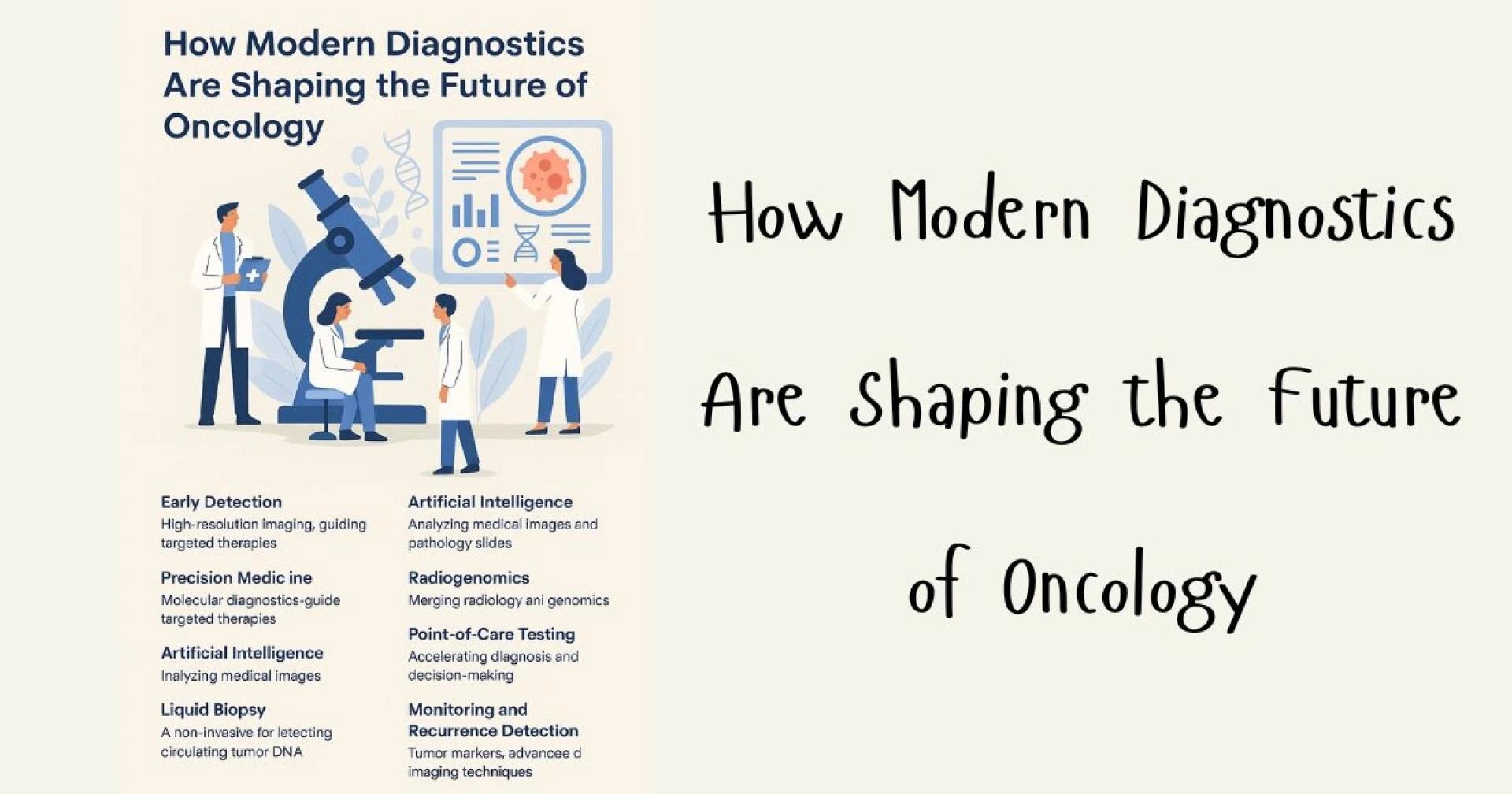
In recent years, the field of oncology has undergone a profound transformation, thanks to the rapid advancements in diagnostic technology. From earlier and more accurate detection to personalised treatment planning, modern diagnostics are revolutionising how cancer is identified and managed. Whether visiting a Best Diagnostic Centre Chennai or seeking comprehensive care at a leading Cancer Hospital, cutting-edge diagnostic tools undeniably shape better patient outcomes.
The Importance of Early Detection
One of the most significant advantages of modern diagnostics in oncology is the ability to detect cancer at its earliest stages. Identifying the condition early greatly enhances the likelihood of effective treatment and increased survival rates. Traditional methods like physical examinations and basic imaging are now supplemented with advanced technologies such as:
- High-resolution imaging techniques (MRI, CT, PET scans)
- Liquid biopsies (non-invasive tests that detect cancer DNA in blood)
- Molecular diagnostics (identifying genetic mutations specific to certain cancers)
These tools allow oncologists to identify cancer before symptoms appear, often catching it during a stage when it's still localised and highly treatable.
Precision Medicine Through Molecular Diagnostics
Molecular diagnostics have become a transformative force in cancer treatment. These examinations assess DNA, RNA, and proteins to offer an in-depth understanding of the genetic characteristics of a patient's tumour. This data allows physicians to:
- Classify cancer more accurately
- Predict how a tumour will behave
- Choose the most effective targeted therapies
For instance, breast cancer patients may be tested for HER2 gene amplification, which can determine whether they will benefit from HER2-targeted drugs like trastuzumab. Similarly, lung cancer patients might undergo testing for EGFR mutations or ALK rearrangements to guide therapy choices.
Role of Artificial Intelligence in Oncology Diagnostics
Artificial Intelligence (AI) is beginning to play a vital role in modern cancer diagnostics. AI-powered systems can analyse medical images, pathology slides, and genetic data with remarkable accuracy and speed. Some of the benefits include:
- Faster diagnosis: AI algorithms can evaluate scans or test results quicker than traditional methods.
- Greater accuracy: Machine learning can identify patterns in data that the human eye may miss.
- Decision support: AI tools help doctors decide the best course of treatment based on a patient's diagnostic profile.
AI is particularly valuable in radiology and pathology, where it assists in interpreting complex images and identifying abnormal cells that might indicate cancer.
Liquid Biopsy: A Non-Invasive Breakthrough
Liquid biopsies provide a more accessible option compared to conventional tissue biopsies. By analysing a simple blood sample, clinicians can detect circulating tumour DNA (ctDNA) and other cancer-associated biomarkers. Benefits of liquid biopsy include:
- Early detection and monitoring
- Minimal discomfort for the patient
- Frequent testing without invasive procedures
Liquid biopsies are especially useful for monitoring treatment response or detecting recurrence without repeated surgeries or imaging.
Radiogenomics: Merging Imaging and Genetics
Radiogenomics is an emerging field that combines radiology and genomics to understand the genetic basis of cancer through imaging features. By linking imaging data with molecular diagnostics, physicians can:
- Predict tumour behaviour and aggressiveness
- Assess treatment response in real-time
- Tailor interventions with more precision
This synergy between imaging and genetics enables a more comprehensive understanding of the disease, pushing the boundaries of traditional cancer care.
Point-of-Care Testing and Real-Time Diagnostics
Point-of-care testing (POCT) pertains to diagnostic assessments carried out at or close to where patient care is provided. POCT in oncology can accelerate diagnosis and decision-making, especially in outpatient or emergency settings. For example:
- On-site testing of tumour markers
- Real-time genetic profiling
- Immediate imaging interpretations
These advances reduce waiting times and anxiety for patients, allowing for quicker initiation of treatment when needed.
Integration of Diagnostics into Treatment Planning
Modern oncology diagnostics do more than just detect cancer—they are central to personalised treatment strategies. Once a cancer type and its molecular profile are identified, oncologists can craft tailored treatment plans involving:
- Targeted therapy: Medications that target cancer cells exhibiting specific genetic mutations.
- Immunotherapy: Treatments that boost the body's immune system to fight cancer
- Combination therapy: A blend of chemotherapy, radiation, and targeted drugs based on diagnostic insights
This integrated approach minimises side effects and increases the efficacy of cancer treatment.
Diagnostics in Monitoring and Recurrence Detection
Even after successful treatment, continuous monitoring is essential to catch any signs of recurrence. Modern diagnostics offer tools like:
- Tumour marker testing
- Circulating tumour DNA analysis
- Advanced imaging techniques
These tools can detect relapses early, even before symptoms develop, and allow doctors to intervene promptly.
The Future: Towards Personalised and Predictive Oncology
The future of oncology is firmly rooted in personalised and predictive medicine. As diagnostics continue to evolve, we are moving closer to:
- Cancer prevention based on genetic risk profiling
- Predictive analytics for treatment outcomes
- Real-time monitoring with wearable biosensors
These developments promise to make cancer care more proactive, efficient, and patient-centered.
Conclusion
Contemporary diagnostic methods are significantly transforming the future of cancer care, moving us toward a reality where cancer can be identified sooner, treated more efficiently, and potentially avoided. Integrating molecular testing, AI, liquid biopsies, and precision imaging has transformed every stage of cancer care—from detection and diagnosis to treatment and monitoring. For patients in metropolitan hubs like Chennai, access to a Diagnostic Centre and a reputable Cancer Hospital In Chennai ensures that these cutting-edge diagnostic tools are not just theoretical advancements but practical realities that enhance outcomes and save lives.
As technology advances, the importance of diagnostics in cancer care will increasingly expand, bringing in a new age of optimism for the millions impacted by cancer around the globe.