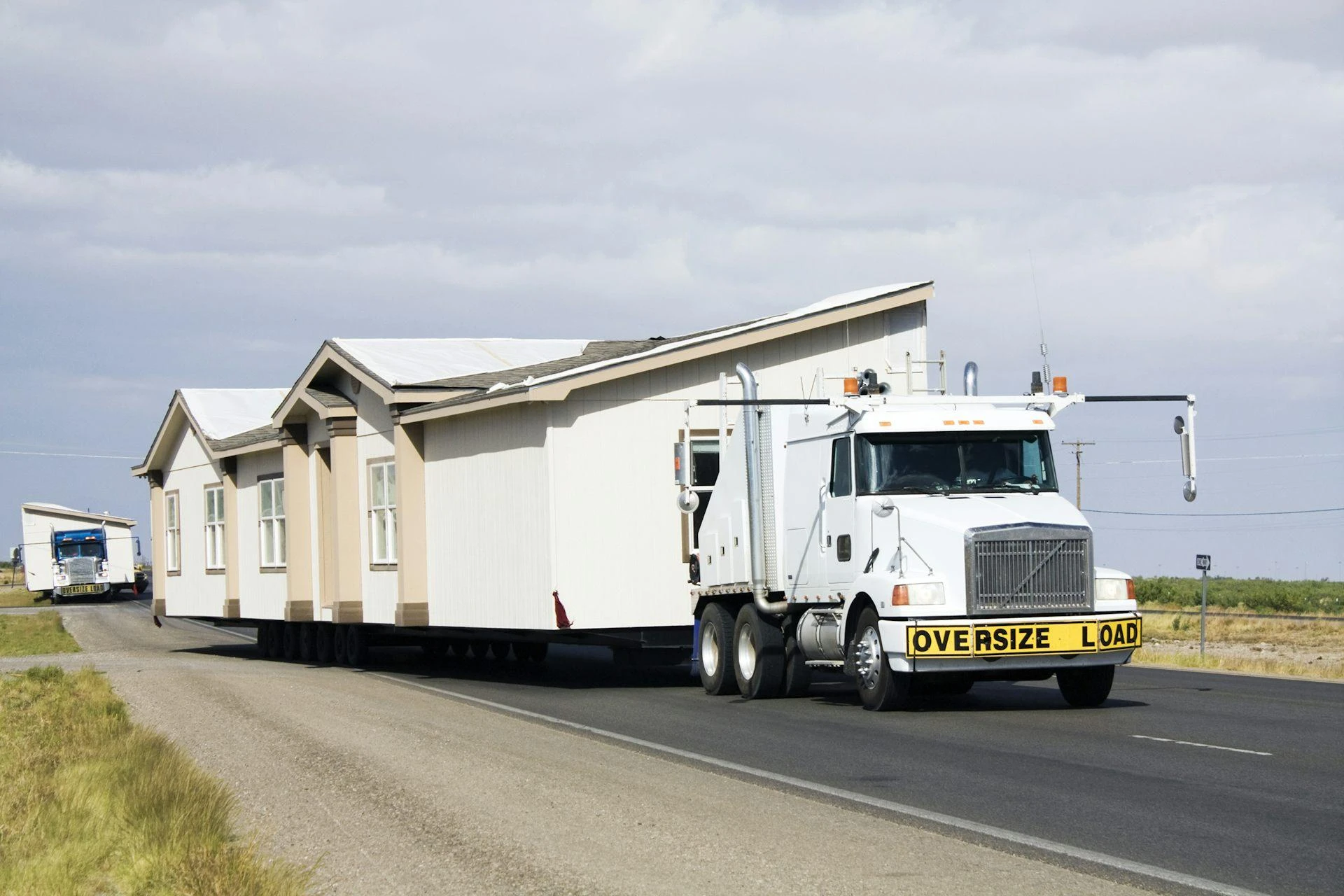
Relocating a mobile home can seem like a daunting process, especially if you’ve never done it before. Whether you're moving across town or to a new state, the logistics, permits, and transportation involved require careful planning. That’s where mobile home relocation assistance can make a significant difference.
In this blog, we’ll explore what mobile home relocation involves, what types of assistance are available, and what homeowners need to know to make the move as smooth as possible.
What Is Mobile Home Relocation Assistance?
Mobile home relocation assistance refers to services or programs designed to help owners move their mobile homes from one location to another. This could include anything from logistical coordination and permit handling to financial support and specialized transportation.
In many cases, assistance may come from private service providers, mobile home communities, or even state or local governments under specific circumstances, especially when relocation is due to park closures or zoning changes.
Why Mobile Home Relocation Can Be Complex
Despite the name, mobile homes are not as “mobile” as they might sound. Once a mobile home is installed, it often becomes semi-permanent. Relocating one involves:
- Disconnecting utilities (water, sewer, gas, electric)
- Disassembling the structure if it’s a double-wide or larger
- Securing transportation permits
- Hiring a licensed and insured mobile home mover
- Preparing a new site for reinstallation
Each step comes with its own set of challenges and costs, making relocation more complicated than simply loading up and going.
Situations Where Relocation Assistance May Be Needed
Here are some of the most common situations where mobile home relocation assistance is sought:
· Community or Park Closures: If a mobile home park is closing or being redeveloped, residents may be eligible for relocation aid through state-funded programs or legal settlements.
· Unsafe Living Conditions: Structural risks, flood zones, or violations of building codes may require relocation, sometimes with city or state involvement.
· Personal Reasons: Job transfers, family needs, or lifestyle changes often prompt voluntary relocation, and assistance may still be beneficial for managing the complexity.
· Storm Damage or Environmental Risks: Areas prone to hurricanes, floods, or other disasters may lead homeowners to seek safer locations for their mobile homes, sometimes with FEMA or insurance support.
Types of Mobile Home Relocation Assistance Available
There are several different types of assistance depending on your circumstances:
1. Government Programs
Some states, including Florida and Texas, offer relocation aid to mobile home residents displaced by park closures or redevelopment. These programs may offer direct financial assistance or cover transportation and installation costs up to a certain limit.
2. Nonprofit and Housing Organizations
Groups advocating for affordable housing may assist displaced mobile homeowners by offering resources, referrals, or even grants. Assistance varies by region.
3. Professional Relocation Services
Private mobile home movers often provide comprehensive services, including disconnecting utilities, obtaining permits, moving the structure, and setting it up at the new location. While this is not free, bundling all tasks into one service can reduce stress and unexpected delays.
4. Legal Aid
In situations involving eviction, redevelopment, or disputes with park owners, legal assistance may help protect your rights and ensure you access any available relocation support.
How to Prepare for a Mobile Home Move
If you're considering relocating your mobile home, start by assessing the following:
1. Check Your Home’s Mobility: Older homes may not be structurally sound enough for transportation. A certified inspector can help determine whether a move is safe.
2. Understand Local Regulations: Zoning rules, building codes, and park rules can differ widely between municipalities. You may need permits to move and reinstall your home.
3. Estimate the Costs: Depending on distance, size, and service providers, relocation can cost anywhere from $5,000 to $15,000 or more. Getting multiple quotes is a smart move.
4. Choose the Right Location: Not all mobile home parks or plots are equal. Ensure your new destination is ready and properly equipped before moving.
Questions to Ask a Relocation Service Provider
When choosing a mobile home relocation service, consider asking:
- Are you licensed and insured for this type of work?
- What services are included in your quote?
- How long will the process take from start to finish?
- Do you handle permits and site preparation?
- What happens if unexpected issues arise during transport?
- Getting clarity upfront can help prevent delays and extra costs later.
Final Thoughts
Relocating a mobile home is a big step that involves careful planning, coordination, and often significant expense. Thankfully, mobile home relocation assistance is available in many forms, from professional services to financial programs designed to support homeowners through transitions.
Whether you're moving due to life changes or external factors like community redevelopment, knowing your options can make the process far more manageable. If you’re unsure where to begin, start by researching state-specific resources, consulting with relocation specialists, and understanding what’s required in your destination.