
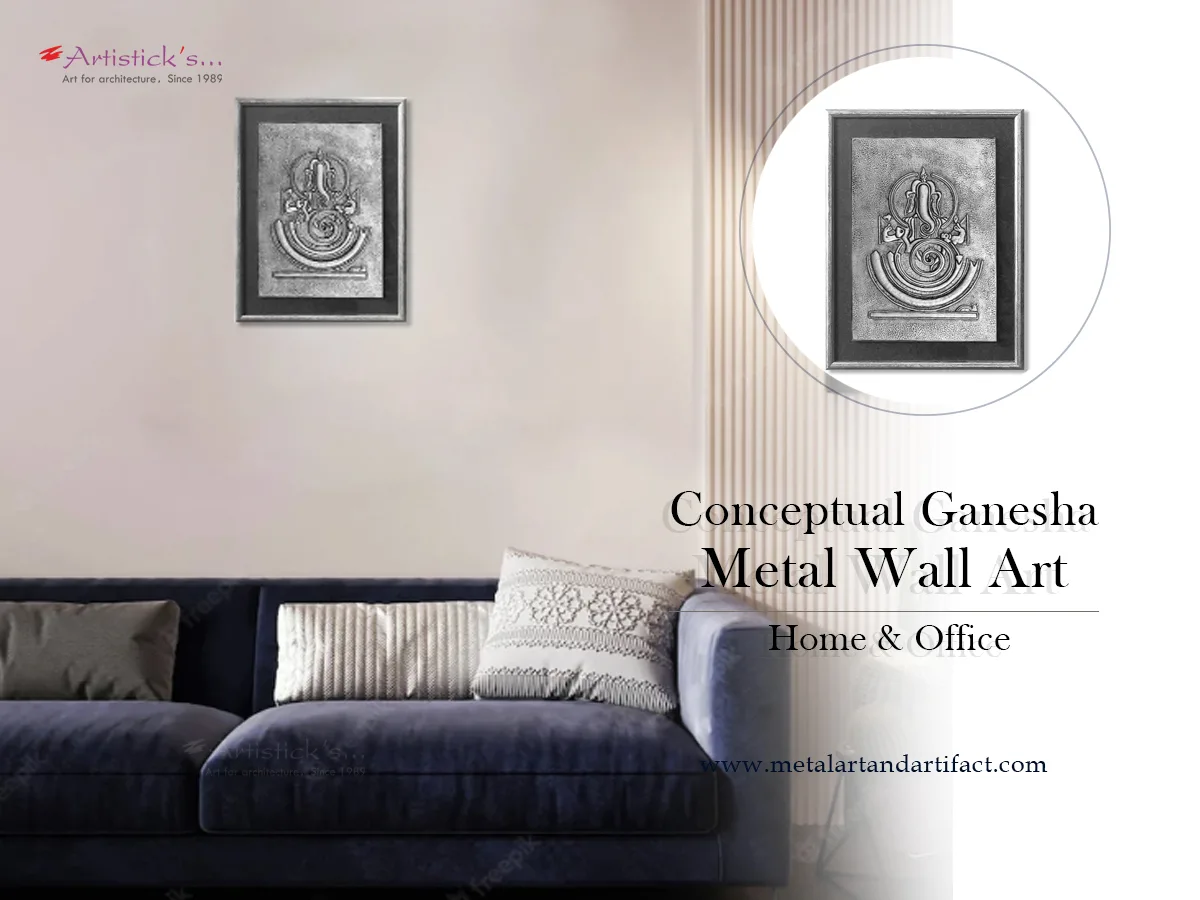
How Metal Art Is Changing the Way We Approach Home Décor
Why Wall Décor Is Becoming More Intentional
Home décor is no longer simply about filling empty spaces. Increasingly, homeowners are considering how individual decorative elements contribute to the character and function of a room.
A wall that once might have been left plain can now become an important part of an interior arrangement. Artwork, mirrors, architectural accents, and handcrafted decorative pieces can all influence how a space is perceived.
Among these choices, metal décor offers an interesting combination of visual detail, material character, and flexibility.
What Makes Metal Different From Other Decorative Materials?
The material used for a decorative object can significantly affect its appearance. Metal has a distinct surface quality that interacts with lighting, surrounding colours, and the textures already present in a room.
Brass, copper, and white metal can each create different visual effects. Depending on the finish and design, metal can complement traditional interiors, contemporary rooms, or spaces that combine elements from both styles.
Another characteristic is the possibility of creating raised patterns and detailed forms. This makes metal particularly suitable for wall art, mirrors, door embellishments, handles, and other architectural décor.
From Decoration to Focal Point
One of the most useful ways to approach wall décor is to identify which area of a room should attract attention.
Instead of placing many decorative objects across every available surface, a homeowner can select one larger or more detailed piece and allow it to become the focal point.
A handcrafted metal wall artwork, for example, can be positioned above a console, behind a seating area, in a hallway, or on another suitable wall. The surrounding space can then remain relatively simple so that the main piece has room to stand out.
This approach is particularly useful in contemporary interiors where visual clutter is often avoided.
Combining Traditional and Contemporary Elements
Metal décor also provides an opportunity to combine different design influences.
Traditional motifs can be incorporated into modern homes through wall art, decorative panels, mirrors, door embellishments, and spiritual artwork. At the same time, simpler geometric or abstract metal designs can fit naturally into contemporary spaces.
The result does not have to look completely traditional or completely modern. A carefully selected metal piece can act as a connection between the two styles.
This is especially relevant in Indian homes, where cultural artwork and modern interior design frequently exist within the same space.
The Role of Brass, Copper, and White Metal
Different metals can influence the visual direction of a room.
Brass is often associated with warm golden tones and can work particularly well with traditional furniture, wooden surfaces, and warm lighting.
Copper introduces warmer earthy tones and can be used where a more distinctive metallic accent is preferred.
White metal, on the other hand, can offer a cooler appearance and may work well with neutral walls and contemporary furniture.
The finish matters just as much as the underlying material. Antique, polished, coloured, or aged finishes can change how the same basic form appears within an interior.
Beyond Wall Art
Metal décor is not limited to wall-mounted artwork.
Architectural details such as door embellishments and decorative handles can introduce the same material language into functional areas of a home. A coordinated combination of wall décor, door details, mirrors, and smaller decorative pieces can create greater visual consistency.
For example, a home might use a brass decorative element near the entrance and repeat related metallic tones in selected furniture or wall accessories.
The goal is not necessarily to match every object. Instead, repeating a material or finish selectively can help different areas feel connected.
Choosing Metal Décor for the Right Space
Scale should be considered before selecting any decorative piece.
A small artwork may disappear on a large empty wall, while an oversized piece can make a compact room feel crowded. Measurements, viewing distance, furniture placement, and wall height should all be considered before installation.
Lighting is another important factor. Metallic surfaces can reflect and interact with light differently from painted or fabric surfaces, so the position of windows and artificial lighting can influence the final appearance.
The surrounding colour palette should also be considered. Neutral walls can provide a straightforward background for detailed metal artwork, while stronger wall colours may create a more contrasting presentation.
Where to Explore Handcrafted Metal Décor
For homeowners exploring different categories of handcrafted metal décor, Metal Art & Artifact brings together collections covering home décor, wall art, divine décor, gifts, door embellishments, and decorative accessories. The range illustrates how metal can be incorporated into different areas of an interior rather than being limited to one particular design style.
A More Thoughtful Approach to Decorating
The growing interest in handcrafted décor reflects a broader shift toward more intentional interiors. Rather than choosing decorative objects simply because they fill a space, homeowners can consider material, scale, placement, cultural significance, and how each piece relates to the rest of the room.
Metal works particularly well within this approach because it can take many forms. The same material can appear as a wall mural, mirror frame, door accent, handle, sculpture, or smaller decorative object.
That flexibility makes it possible to create interiors that feel coordinated without making every element identical.
Final Takeaway
Metal art is not simply another category of wall decoration. It can be part of a larger interior strategy that connects material, craftsmanship, cultural influences, and contemporary design.
Whether used as a focal point in a living room, an architectural detail at an entrance, or a decorative accent in a devotional space, thoughtfully selected metal décor can add structure and character to an interior.
The key is to choose pieces according to the room, scale, lighting, and existing design rather than treating decoration as an afterthought.