In today’s digital-first world, most people searching for a therapist, psychologist, or mental health clinic start online. Before making an appointment, they look for signs of trust, credibility, and safety. For mental health practitioners, building online trust isn’t just a marketing strategy—it’s the foundation for attracting the right patients and creating meaningful therapeutic relationships.
Why Online Trust Matters in Mental Health Care
Mental health is deeply personal. Patients want to feel understood, respected, and confident before reaching out. If your online presence feels unclear, outdated, or impersonal, potential patients may move on to another provider.
A strong online presence helps:
Reduce fear and hesitation
Build emotional connection before the first session
Position you as a credible and ethical professional
Encourage appointment bookings
Create a Professional and Reassuring Website
Your website is often the first impression patients have of your practice. It should feel calm, clear, and welcoming.
Key elements to focus on:
A clean, easy-to-navigate design
Clear descriptions of your services and specialties
A warm, empathetic “About” page that shares your approach and values
Simple contact options and online booking if possible
Fast loading speed and mobile-friendly design
Avoid overly technical language. Speak in a way that feels human and supportive.
Use Authentic Content to Build Connection
Content helps patients understand who you are and how you can help. Blogs, FAQs, and educational pages allow you to answer common questions and reduce uncertainty.
Effective content ideas include:
Explaining common mental health concerns in simple terms
What patients can expect in their first session
How therapy works and who it’s for
Coping strategies and mental wellness tips
This approach supports long-term visibility and aligns well with best practices for SEO for Mental Health, helping the right patients find your practice at the right time.
Show Credentials, Experience, and Ethics Clearly
Transparency builds confidence. Make it easy for patients to see:
Your qualifications and licenses
Areas of specialization
Years of experience
Treatment approaches you use
Professional affiliations
This reassures patients that they’re choosing a qualified and ethical practitioner.
Leverage Reviews and Testimonials (Ethically)
Social proof plays a big role in trust-building. While mental health practitioners must follow ethical guidelines, reviews can still be powerful when used appropriately.
You can:
Encourage patients to leave general Google reviews
Share anonymized testimonials if permitted
Highlight outcomes without revealing personal details
Even a small number of genuine reviews can significantly increase credibility.
Be Active and Consistent on the Right Platforms
You don’t need to be everywhere—just where your audience is. Platforms like Google Business Profile, professional directories, and select social media channels help patients feel reassured that you’re active and accessible.
Focus on:
Sharing educational posts
Mental health awareness messages
Practice updates and helpful reminders
Maintaining consistent branding and tone
Some practitioners choose to work with a mental health marketing agency to ensure their messaging remains ethical, consistent, and patient-focused across all channels.
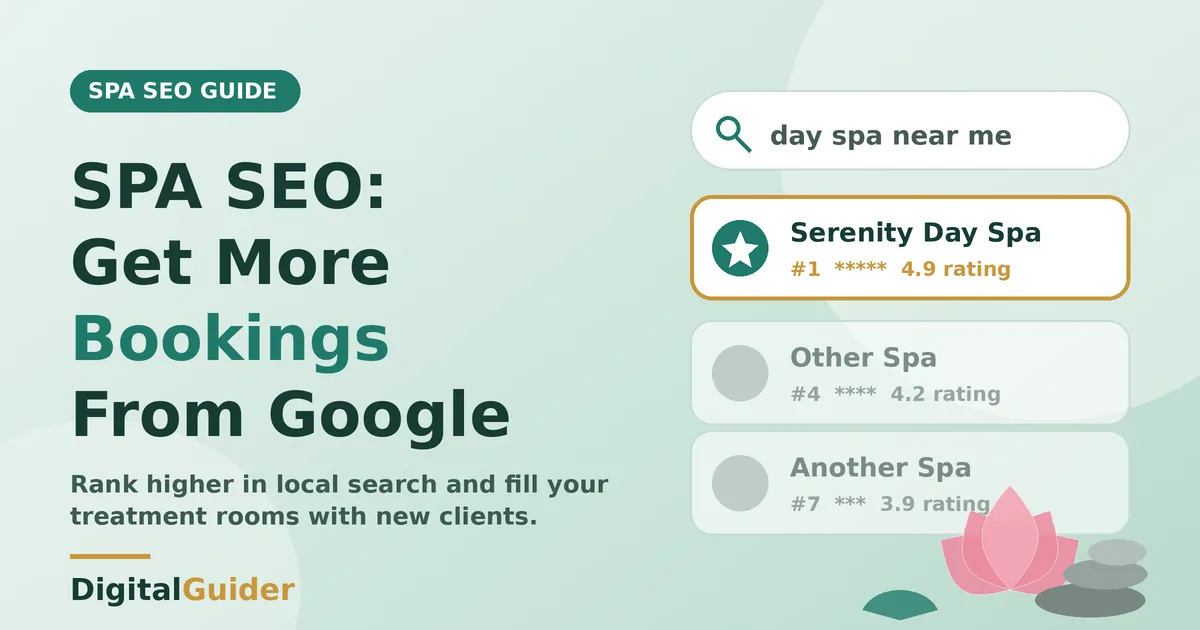
Optimize for Local Search Visibility
Patients often search for help nearby. Appearing in local search results helps potential patients find you at the right moment.
Simple steps include:
Optimizing your Google Business Profile
Using location-based keywords on your website
Listing your practice on trusted healthcare directories
Ensuring your contact details are consistent everywhere
Better visibility combined with trust-focused messaging leads to more appointment inquiries.
Protect Privacy and Communicate Safety
Privacy is critical in mental health care. Clearly communicate how you protect patient data and confidentiality.
This can include:
Secure contact forms
Clear privacy policies
Compliance statements where applicable
Transparent communication about telehealth security
Patients feel safer reaching out when they know their information is protected.
Final Thoughts
Building online trust doesn’t happen overnight, but every improvement you make strengthens your connection with potential patients. By focusing on empathy, transparency, and consistency, mental health practitioners can create a strong digital presence that reassures patients and encourages them to take the first step toward care.
A trust-centered online strategy not only helps attract more patients—it helps ensure the patients who reach out already feel confident choosing you.