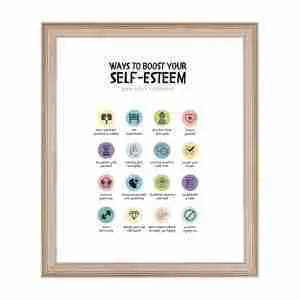
Creating supportive environments for emotional well-being has never been more important, and one of the most effective yet underrated tools for doing so is the use of Mental Health Posters. These visual reminders do more than decorate walls—they can educate, encourage, and empower individuals in schools, workplaces, clinics, and even at home. In this blog, we’ll explore how Mental Health Posters can transform various spaces, promote emotional awareness, and serve as meaningful prompts for positive conversations.
Why Mental Health Posters Matter
Visual communication is powerful. A single poster with a supportive message or grounding technique can shift someone’s entire mindset in a difficult moment. Mental Health Posters are designed to break stigmas, remind people that they are not alone, and provide accessible tools that anyone can use. Whether it’s tips for managing stress, reminders to practice self-care, or messages normalizing the need for help, these posters work as constant touchpoints for emotional support.
In many environments, people may feel uncomfortable initiating conversations about their struggles. Posters can act as gentle invitations—subtle prompts that say, “It’s okay to talk about this.” When someone reads a poster that aligns with their feelings, it can validate their experience and encourage them to reach out.
Where Mental Health Posters Make the Biggest Impact
1. Schools and Universities: For students, academic pressure, social dynamics, and personal challenges can be overwhelming. Strategically placed Mental Health Posters in hallways, counseling centers, or classrooms can help students recognize symptoms of stress or anxiety and guide them toward healthy coping tools. Posters with affirmations or grounding exercises can help create safer, more supportive learning environments.
2. Workplaces: Employee well-being is directly linked to productivity and job satisfaction. Workplaces that display Mental Health Posters send a clear message: mental health matters here. These posters can encourage employees to take breaks, manage burnout, or seek support if they need it. They also help create a culture where discussing mental well-being isn’t taboo.
3. Therapy Offices and Wellness Centers: In counseling spaces, visuals play an important role in helping clients feel calm and understood. Posters that illustrate coping skills, emotional regulation strategies, or mindfulness techniques can reinforce lessons learned during sessions. This is also where therapy posters are particularly valuable, offering visual explanations or comforting imagery that partners naturally with the therapeutic process.
4. Community Centers and Public Spaces: Libraries, youth centers, and health clinics are ideal places to display inclusive and diverse Mental Health Posters. In these community settings, posters can bridge gaps in accessibility, giving people from all backgrounds exposure to mental health education and supportive messages.
The Power of Positive Messaging
Positive affirmations and encouraging words are at the heart of many Mental Health Posters. These small but meaningful messages have the power to shift daily thinking patterns. Posters featuring phrases like “You are enough,” “Take a moment to breathe,” or “Healing isn’t linear” can act as emotional anchors for anyone passing by.
Moreover, visual metaphors—such as growth through plants, calming landscapes, or abstract art—can evoke peace and inspire reflection. When people encounter these repeatedly, the messages begin to internalize, reinforcing resilience and emotional awareness.
Conclusion
Mental Health Posters are more than decoration—they are tools of empowerment, education, and connection. Whether used in classrooms, workplaces, therapy environments, or community spaces, these posters can foster supportive atmospheres and encourage meaningful conversations. By incorporating uplifting art and essential resources, they help normalize discussions around mental health and remind individuals that help, hope, and healing are always within reach.