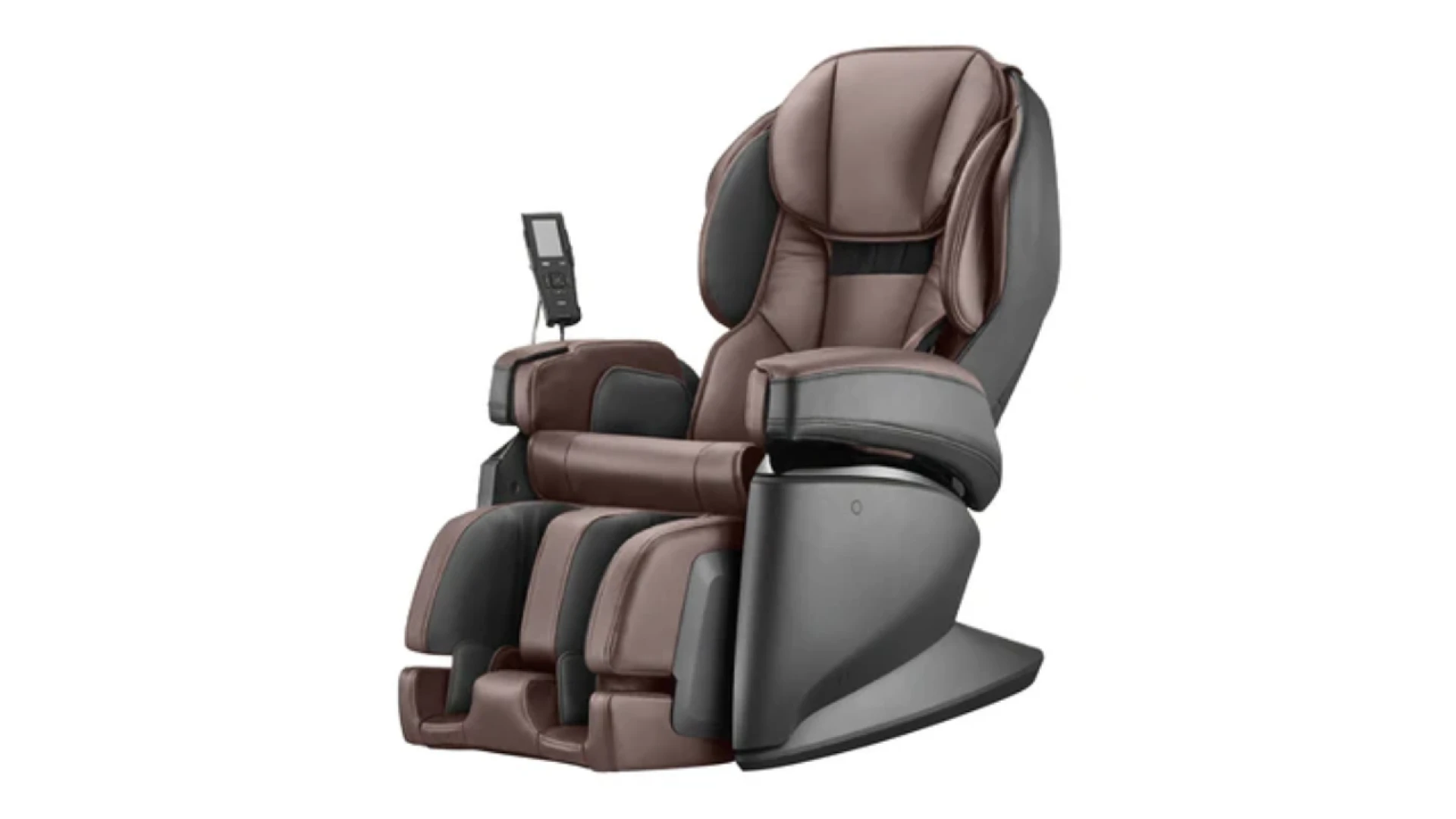
Muscle recovery is a crucial component of physical health, whether for athletes, fitness enthusiasts, or individuals experiencing daily muscle fatigue. Proper recovery allows muscles to repair, adapt, and grow stronger after stress or exertion. Among various recovery techniques, massage therapy has been recognized for its ability to alleviate muscle tension, enhance circulation, and promote overall relaxation. In recent years, technology has made these benefits more accessible through mechanical solutions like the massage chair.
Modern massage chairs replicate many principles of manual massage, offering a controlled and consistent approach to muscle stimulation. Unlike traditional methods, these devices can target multiple areas of the body simultaneously, allowing users to engage in a comprehensive recovery routine from the comfort of their home. Research suggests that mechanical massage can complement other recovery strategies, supporting both short-term relief and long-term muscular health.
Understanding the mechanisms and effects of massage chairs on muscle recovery can help individuals incorporate them effectively into their routines. This article explores the physiological impacts, practical applications, and considerations for using these devices responsibly.
How Mechanical Massage Influences Muscle Recovery
Massage chairs utilize a variety of techniques, including kneading, tapping, rolling, and compression, to mimic hands-on therapy. These movements can influence muscle recovery in several ways:
Enhanced Blood Flow and Oxygen Delivery
One of the primary benefits of massage is improved circulation. By stimulating blood flow, massage chairs help deliver oxygen and essential nutrients to fatigued muscles. This process supports cellular repair and reduces the accumulation of metabolic byproducts such as lactic acid, which can contribute to soreness after exercise.
Reduction of Muscle Tension
Tense muscles can limit mobility and increase the risk of injury. The mechanical pressure applied by massage chairs helps relax tight muscle fibers, reducing stiffness and enhancing flexibility. This effect can be particularly beneficial after intense physical activity or prolonged periods of sedentary work.
Activation of the Lymphatic System
Beyond blood circulation, massage can stimulate the lymphatic system, which is responsible for removing toxins and waste from muscle tissue. This function supports the body’s natural healing processes and helps decrease post-exercise inflammation, promoting faster recovery.
Physiological Mechanisms Behind Muscle Repair
To understand the role of massage chairs, it’s important to recognize how muscles recover at a biological level. Muscle fibers sustain microscopic damage during exercise, especially during resistance training or high-intensity activity. The body responds through a process called muscle protein synthesis, repairing and strengthening the affected tissue.
Mechanical massage contributes to this process by:
- Increasing nutrient-rich blood flow to damaged areas.
- Reducing localized inflammation through gentle compression.
- Enhancing the removal of metabolic waste products that can prolong soreness.
Studies indicate that regular mechanical massage sessions can complement traditional recovery methods, such as stretching and hydration, resulting in a more efficient repair cycle.
Practical Applications for Muscle Recovery
Post-Workout Relaxation
Using a massage chair after exercise can accelerate the cooldown process. By gradually easing tension and promoting circulation, the body transitions more smoothly from a state of exertion to recovery.
Chronic Muscle Fatigue
Individuals with chronic muscle fatigue or tension, often caused by repetitive movements or prolonged sitting, may find relief through targeted mechanical massage. Focusing on areas like the lower back, shoulders, and neck can reduce discomfort and improve functional mobility.
Pre-Workout Preparation
While less common, some athletes use massage chairs prior to activity to warm up muscles and increase blood flow. This can help improve performance and reduce the likelihood of strain during training.
Integrating Massage Chairs into a Recovery Routine
Effectiveness depends on consistency and proper use. Experts recommend combining mechanical massage with other recovery strategies:
- Stretching: Helps maintain flexibility and reduces stiffness.
- Hydration and Nutrition: Supports cellular repair and overall recovery.
- Rest: Adequate sleep and recovery periods are essential for muscle adaptation.
- Monitoring Intensity: Overuse of mechanical massage can sometimes cause discomfort or bruising; moderation is key.
Considerations and Limitations
While massage chairs provide several benefits, they are not a substitute for medical treatment. Individuals with certain conditions, such as deep vein thrombosis, acute injuries, or severe musculoskeletal disorders, should consult healthcare professionals before using mechanical massage devices. Additionally, overreliance on massage alone may overlook other crucial recovery factors, including exercise programming, nutrition, and overall physical conditioning.
Conclusion
Massage chairs can serve as a valuable adjunct to traditional muscle recovery techniques. By enhancing circulation, reducing tension, and supporting lymphatic function, they offer a practical way to accelerate repair and alleviate discomfort. When used responsibly and in conjunction with other recovery strategies, these devices can contribute meaningfully to overall muscular health and well-being.
FAQs
How often should I use a massage chair for muscle recovery?
Frequency depends on individual needs, but 2–3 sessions per week is often sufficient for general recovery. Daily use is possible but should be monitored to prevent overuse.
Can massage chairs help with delayed onset muscle soreness (DOMS)?
Yes. Gentle mechanical massage can alleviate the stiffness and soreness associated with DOMS by improving circulation and reducing muscle tension.
Are there risks associated with using massage chairs?
Risks are minimal for most users, but individuals with cardiovascular issues, acute injuries, or skin conditions should consult a healthcare provider before use.
Can massage chairs replace professional physical therapy?
While helpful for general recovery, massage chairs cannot fully replace targeted rehabilitation provided by a trained therapist, especially for severe injuries or chronic conditions.
Is mechanical massage suitable for all age groups?
Generally, yes. However, intensity and duration should be adjusted for children, older adults, or individuals with sensitive musculature