
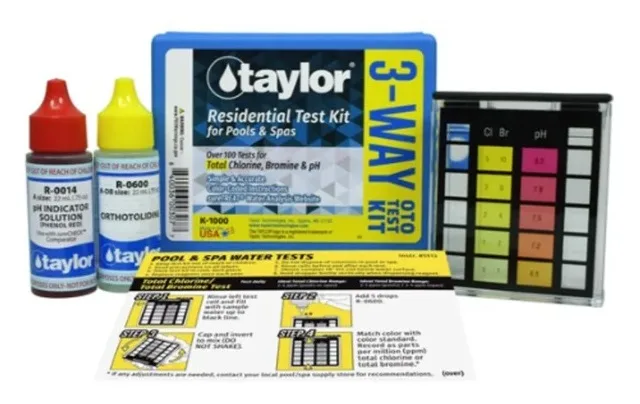
Maintaining a backyard swimming environment involves rigorous attention to detail, especially when monitoring water chemistry parameters. When chemical balances shift outside of recommended safety zones, water quality can degrade rapidly, impacting both comfort and equipment longevity.
Understanding the shelf life of your testing supplies is essential for ensuring accurate measurements and reliable pool care. Without fresh reagents, even the most diligent pool owner can make misguided adjustments based on flawed data.
The General Shelf Life of Liquid Reagents
Liquid testing solutions are sensitive chemical formulations designed to react precisely with water sample components. Under typical residential storage conditions, most uncompromised liquid reagents maintain their integrity for approximately one to two years.
Once a bottle is unsealed and exposed to ambient air and temperature changes, that active window begins to diminish. Recognizing these timelines prevents you from relying on degraded chemicals that produce inaccurate color transitions during testing.
- Unopened bottles stored in climate-controlled environments generally last up to twenty-four months safely.
- Opened dropper bottles typically begin to lose potency after twelve to eighteen months of use.
- Manufacturing dates printed on packaging serve as your primary reference for product freshness.
- Chemical potency degrades naturally over time even if bottles remain tightly sealed indoors.
Environmental Factors That Accelerate Degradation
The physical environment where you store your testing supplies plays a massive role in how quickly active chemicals break down. Exposure to intense heat, high humidity, or direct sunlight can ruin sensitive reagents in a matter of months.
Protecting your testing inventory from extreme temperature swings preserves chemical accuracy throughout the swimming season. Proper storage habits are the easiest way to maximize the operational lifespan of your diagnostic tools.
- Extreme heat inside uninsulated pool sheds accelerates chemical breakdown within dropper solutions.
- High humidity levels can compromise bottle seals and introduce moisture into liquid reagents.
- Direct ultraviolet sunlight streaming through windows degrades sensitive indicator compounds instantly.
- Freezing winter temperatures can separate liquid chemical formulas and alter their concentration.
Identifying Signs of Expired Testing Chemicals
Determining whether your testing solutions are still reliable requires careful observation of their physical appearance and performance. When chemicals age past their prime, they often exhibit distinct visual cues that alert you to their failure.
Ignoring these warning signs can lead to erratic color matching and improper water treatment adjustments. Checking your kit periodically for these anomalies ensures your testing routine remains trustworthy and precise.
- Discoloration or unusual cloudiness inside a clear dropper bottle indicates compromised reagents.
- Precipitate or solid crystal buildup forming at the bottom of the solution container.
- Failure of the liquid to produce any noticeable color change during water testing.
- Sluggish reactions where color transitions take significantly longer than normal to appear.
Comparing Liquid Drops with Alternative Testing Methods
While liquid reagent sets offer high precision for monitoring water balance, alternative evaluation tools provide different operational benefits. Many homeowners utilize a multi-parameter pool ph test kit alongside convenient single-use materials depending on their daily needs.
Weighing the precision of liquid titration against the speed of alternative methods helps define your preferred maintenance style. Understanding these differences allows you to build a comprehensive and reliable testing strategy.
- Liquid drop sets provide granular titration data favored by meticulous pool operators.
- Alternative diagnostic methods offer rapid visual feedback during busy weekly maintenance checks.
- Combining different testing techniques helps cross-verify accuracy and catch fading supplies.
- Selecting robust testing tools minimizes uncertainty during peak summer swimming seasons.
Best Practices for Storing Testing Supplies
Implementing disciplined storage protocols ensures that your chemical inventory remains fresh and fully potent all year round. Simple organizational habits prevent premature expiration and protect your investment in routine water maintenance.
Creating a dedicated, climate-controlled storage space away from pool chemicals and moisture is a smart preventive measure. These minor adjustments yield major dividends in testing accuracy and overall water stability.
- Store your testing supplies in a cool, dry indoor closet rather than an outdoor shed.
- Keep bottles standing upright with caps tightly secured to prevent air exchange and leaks.
- Keep testing kits completely separated from harsh shock chemicals and chlorine storage areas.
- Track purchase dates on outer packaging using a permanent marker for easy auditing.
Cross-Verifying Results with Alternative Materials
When uncertainty arises regarding the age or accuracy of your liquid reagents, cross-verification is a prudent step. Utilizing secondary diagnostic tools, such as reliable pool ph test strips, can help confirm whether your primary kit is still functioning correctly.
Comparing results across different testing mediums eliminates guesswork and prevents accidental water miscalculation. Maintaining a secondary verification check ensures complete confidence in your water balancing routine.
- Run a simultaneous test using alternative supplies to compare color outcomes directly.
- Check borderline readings against a secondary reference standard for absolute peace of mind.
- Replace any testing supply immediately if a significant discrepancy appears between methods.
- Keep backup testing materials on hand to handle unexpected reagent failure seamlessly.
Establishing Long-Term Water Care Habits
Consistency is the ultimate secret to effortless pool ownership and long-lasting equipment performance throughout the entire year. Establishing a predictable testing schedule prevents minor chemical imbalances from turning into major maintenance challenges.
Regular oversight ensures that your backyard oasis remains inviting, hygienic, and ready for relaxation whenever you choose. For expert advice and professional-grade supplies, many local homeowners trust Ever-Klear Pool Supply for their ongoing upkeep.
- Perform basic sanitizer and pH checks at least twice a week during peak season.
- Maintain clean filtration cycles to support your chemical balancing efforts consistently.
- Inspect testing accessories regularly and replace expired reagents or damaged materials promptly.
- Review seasonal maintenance guides periodically to refine your overall water care techniques.
Frequently Asked Questions
How long do liquid pH test reagents typically last?
Unopened liquid reagents generally last 1 to 2 years, while opened dropper bottles usually maintain reliability for 12 to 18 months when stored properly in a cool, dry indoor environment.
Can I still use my test kit if it sat in a hot pool shed all winter?
It is not recommended. Extreme heat and freezing temperatures in uninsulated outdoor sheds degrade chemical compounds quickly, leading to false readings and unreliable water testing.
What causes dropper bottle reagents to change color or form crystals?
Age, exposure to air, temperature fluctuations, and moisture contamination can cause chemical breakdown, resulting in cloudiness, precipitation, or discoloration inside the bottle.
How often should I replace my pool water testing kit?
You should inspect your testing kit supplies annually before the swimming season begins, replacing any expired reagents, faded color charts, or compromised dropper bottles to ensure absolute measurement accuracy.