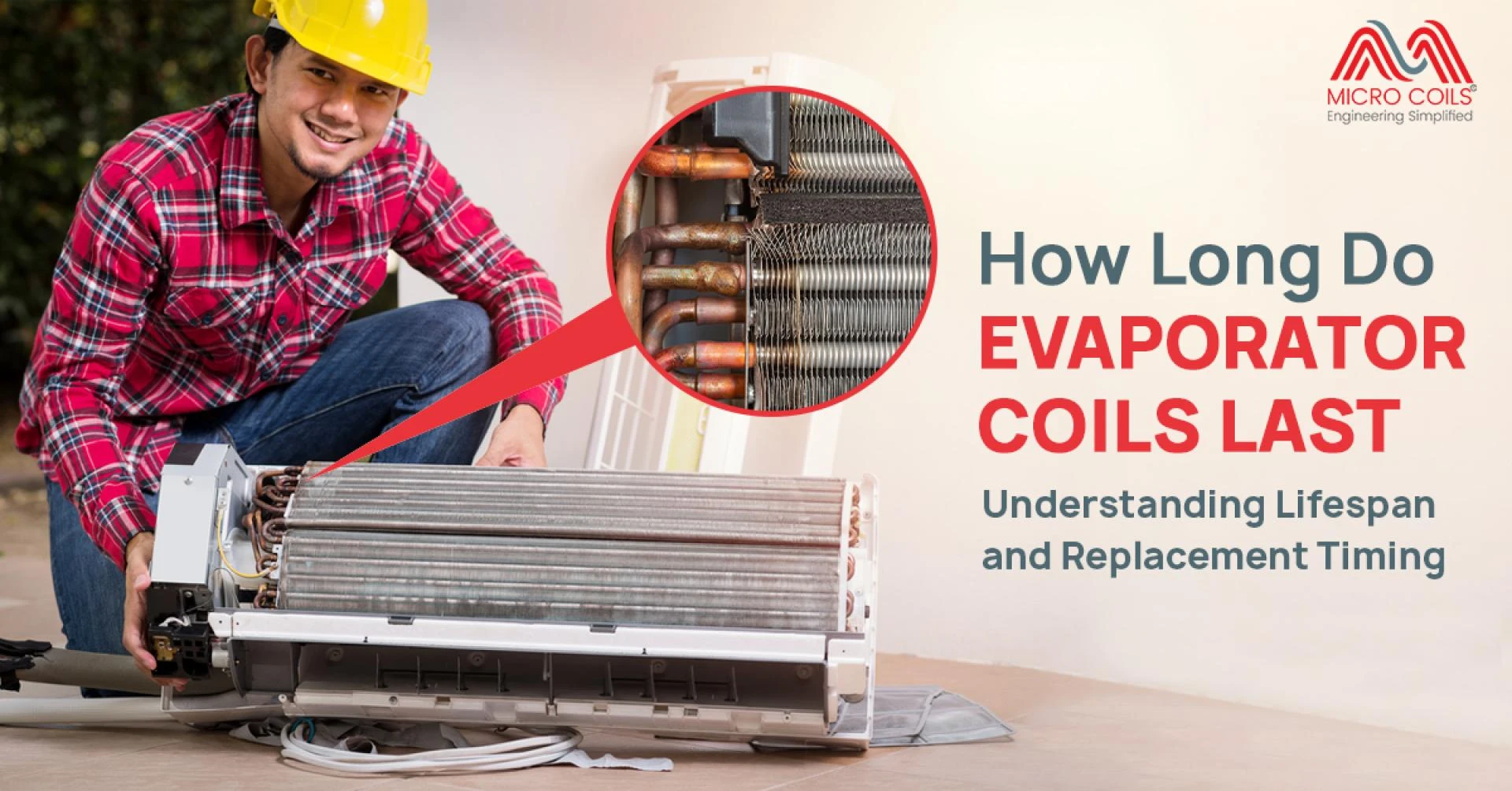
When investing in an HVAC system, understanding the expected lifespan of critical components helps property owners plan maintenance schedules and budget for future replacements. Among these essential components, evaporator coils play a pivotal role in system performance and efficiency. Knowing how long these components typically last and what factors influence their longevity enables informed decision-making about maintenance, repairs, and system upgrades.
Average Lifespan of Evaporator Coils
The typical evaporator coil operates effectively for 10 to 15 years under normal conditions with proper maintenance. However, this timeframe represents an average that can vary significantly based on numerous factors including installation quality, environmental conditions, usage patterns, and maintenance practices.
High-quality coils manufactured from premium materials and installed by experienced professionals often exceed the average lifespan, potentially operating efficiently for 20 years or more. Conversely, coils subjected to harsh conditions or inadequate maintenance may require replacement within 8 to 10 years of installation.
Understanding that coil lifespan varies considerably helps property owners avoid unexpected failures and plan appropriately for system maintenance and eventual replacement needs.
Factors Affecting Coil Longevity
Environmental conditions significantly impact coil durability and operational lifespan. Coastal locations with high salt content in the air accelerate corrosion processes, particularly affecting aluminum coils. Industrial areas with airborne chemicals and pollutants also create challenging operating environments that can reduce coil life expectancy.
Climate patterns influence coil longevity through seasonal usage variations and humidity levels. Systems operating in regions with extended cooling seasons experience more operational hours annually, potentially shortening component lifespans. High humidity environments can promote corrosion and biological growth if proper drainage and maintenance are not maintained.
Indoor air quality directly affects coil condition over time. Environments with high dust levels, cooking vapors, or chemical contaminants require more frequent cleaning and may experience accelerated coil degradation. Pet dander, tobacco smoke, and household chemicals can accumulate on coil surfaces, creating conditions that promote corrosion and reduce heat transfer efficiency.
Material Quality and Manufacturing Standards
The materials used in coil construction significantly influence longevity and performance over time. Copper coils generally offer superior corrosion resistance and heat transfer properties compared to aluminum alternatives, often justifying higher initial costs through extended service life.
Fin construction and coating technologies also impact durability. Coils with protective coatings designed to resist corrosion and biological growth typically last longer than uncoated alternatives. Advanced manufacturing techniques that ensure proper tube-to-fin bonding and consistent refrigerant flow distribution contribute to extended operational life.
Working with reputable manufacturers who maintain strict quality control standards helps ensure coils meet design specifications and deliver expected performance throughout their service life. Quality certifications and warranty provisions provide additional assurance regarding component longevity and manufacturer support.
Comparison with Related Components
Understanding how evaporator coil lifespan compares to other system components helps property owners develop comprehensive maintenance and replacement strategies. The AC condenser coil, located in the outdoor unit, typically experiences more challenging environmental conditions than indoor evaporator coils.
Condenser coils face direct exposure to weather elements, temperature extremes, and airborne debris that can accelerate wear and corrosion. Consequently, condenser coils may require replacement or major maintenance more frequently than their indoor counterparts, particularly in harsh climates.
The AC cooling coil assembly, which encompasses both evaporator and associated components, represents a system approach to longevity planning. While individual coils may have different lifespans, coordinating replacement timing can optimize system efficiency and reduce installation costs.
Signs of Aging and Deterioration
Recognizing early signs of coil aging enables proactive maintenance and replacement planning before complete failure occurs. Reduced cooling capacity represents one of the most common indicators of coil deterioration, often manifesting as longer cooling cycles or inability to maintain desired temperatures.
Increased energy consumption without corresponding changes in usage patterns suggests declining coil efficiency. As heat transfer capabilities diminish, associated equipment must work harder to achieve the same cooling results, leading to higher utility costs and increased wear on system components.
Physical inspection may reveal visible signs of deterioration including fin damage, tube corrosion, or refrigerant leaks. Bent or damaged fins reduce airflow and heat transfer efficiency, while corrosion can compromise structural integrity and lead to refrigerant loss.
Maintenance Impact on Lifespan
Proper maintenance practices significantly extend coil lifespan and maintain optimal performance throughout the operational period. Regular cleaning removes accumulated debris that can promote corrosion and reduce heat transfer efficiency. Professional cleaning services ensure thorough removal of contaminants without damaging delicate fin structures.
Recommended Read - What is Ductless Air Conditioning?
Air filter maintenance directly impacts coil condition by preventing airborne particles from accumulating on coil surfaces. High-quality filters changed according to manufacturer recommendations protect coils from premature contamination and associated performance degradation.
Drainage system maintenance prevents water accumulation that can promote corrosion and biological growth. Ensuring proper condensate removal and drain pan cleanliness helps maintain coil integrity and prevents moisture-related problems.
Economic Considerations for Replacement
Determining optimal replacement timing involves balancing continued operation costs against new equipment benefits. Aging coils that require frequent repairs or operate at significantly reduced efficiency may justify replacement even before complete failure occurs.
Energy efficiency improvements in newer coil designs can provide substantial operational savings that offset replacement costs over time. Modern coils often feature enhanced heat transfer surfaces, improved materials, and better manufacturing techniques that deliver superior performance compared to older units.
System compatibility considerations may influence replacement timing. When other major components require replacement or upgrading, coordinating coil replacement can optimize overall system performance and reduce installation costs through consolidated service calls.
Planning for Replacement
Proactive replacement planning prevents emergency situations and allows for optimal timing of major maintenance activities. Monitoring coil performance trends helps identify declining efficiency before critical failures occur, enabling scheduled replacement during favorable weather conditions.
Recommended Read - What is a Compact Heat Exchanger?
Budget planning should account for potential coil replacement within the expected lifespan range. Setting aside funds annually for major component replacement helps avoid financial strain when replacement becomes necessary.
Coordinating with qualified HVAC professionals ensures proper sizing, installation, and system integration when replacement becomes necessary. Professional assessment can identify opportunities for system upgrades or efficiency improvements during coil replacement projects.
Conclusion
Evaporator coil lifespan typically ranges from 10 to 15 years, with variations based on environmental conditions, maintenance practices, and component quality. Understanding factors that influence longevity enables property owners to maximize coil life through proper maintenance while planning appropriately for eventual replacement needs.
Regular maintenance, quality installation, and proactive monitoring help ensure coils deliver optimal performance throughout their service life. When replacement becomes necessary, working with qualified professionals ensures proper component selection and installation for continued system reliability and efficiency.
Planning for coil replacement as part of comprehensive HVAC system management helps maintain comfortable indoor environments while controlling long-term operational costs and maximizing equipment investments.