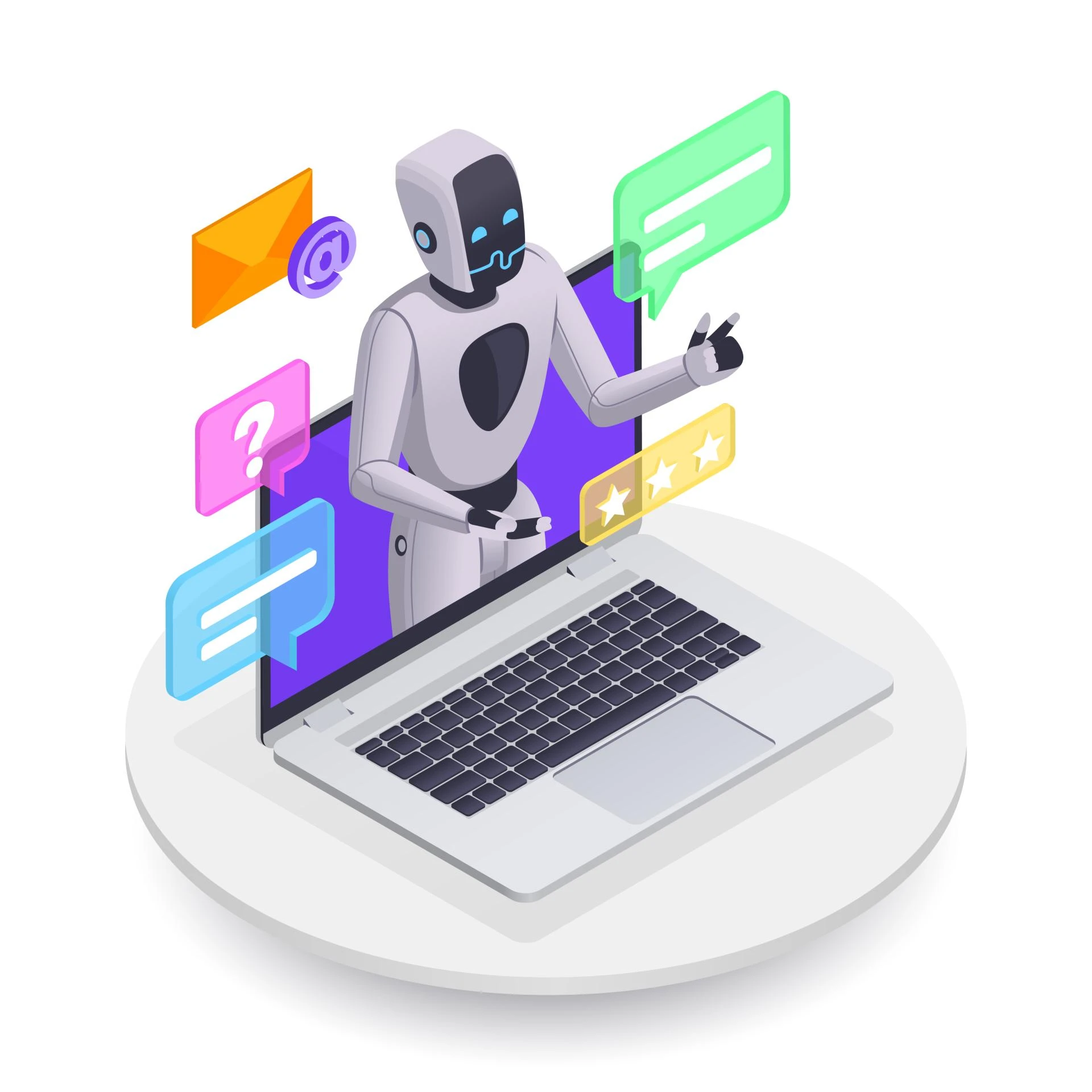
In today's rapidly evolving technological landscape, Large Language Model (LLM) engineers stand at the forefront of conversational AI development. These skilled professionals combine deep technical knowledge with human-centred design principles to create chatbots that feel increasingly natural and helpful. The transformation of chatbot design in 2025 represents a significant shift from earlier approaches, with LLM engineers now focusing on nuanced interactions rather than simple query-response patterns.
The Evolution of Prompt Engineering in Modern Chatbot Design
Prompt engineering has evolved from a niche skill to a cornerstone of effective LLM implementation. Today's LLM engineers utilise sophisticated prompt frameworks that allow chatbots to maintain contextual awareness across extended conversations. This advancement enables systems to recall prior interactions whilst maintaining coherent dialogue flows.
Unlike earlier methods that relied heavily on rigid templates, contemporary prompt engineering incorporates dynamic elements that adjust based on user engagement patterns. This flexibility allows chatbots to respond more naturally to unexpected queries or conversation shifts, creating a more fluid user experience.
Context Window Optimisation Techniques Transform User Interactions
The significant expansion of context windows in modern LLMs represents one of the most impactful technical developments in chatbot design. LLM engineers now routinely work with models capable of processing 100,000+ tokens, allowing for comprehensive conversation history retention and more informed responses.
Context Window Management
LLM engineers employ selective memory mechanisms that prioritise crucial information whilst discarding irrelevant details. These techniques include:
- Recursive summarisation of conversation history
- Dynamic attention weighting for critical information
- Hierarchical memory structures that organise information by relevance and recency
These approaches allow chatbots to maintain coherent conversations across lengthy interactions without degradation in response quality.
Retrieval Augmented Generation: The Knowledge Enhancement Revolution
By 2025, Retrieval Augmented Generation (RAG) has become standard practice among LLM engineers developing enterprise-grade chatbots. This technique connects language models to external knowledge bases, enabling them to provide current, accurate information beyond their training data.
LLM engineers now implement sophisticated vector databases that index company documentation, product specifications, and customer history. These systems enable chatbots to provide precise responses grounded in organisational knowledge rather than generic information.
Domain-Specific Fine-Tuning Creates Specialised Virtual Assistants
The proliferation of domain-specific fine-tuning techniques has revolutionised how chatbots serve specialised industries. LLM engineers now develop targeted training methodologies that enhance model performance in fields like healthcare, finance, legal services, and technical support.
These specialised fine-tuning approaches involve careful curation of industry-specific datasets, implementation of domain validators, and integration with specialised terminology databases. The result is chatbots that demonstrate expertise within their intended operational context.
Multimodal Integration Expands Interaction Possibilities
Today's LLM engineers work beyond text-only interfaces, incorporating multimodal capabilities that allow chatbots to process and generate various content types. Modern systems can analyse images, interpret graphs, and even understand video context to provide more comprehensive assistance.
This multimodal approach delivers particularly valuable applications in customer service scenarios where visual information proves critical. For example, a user can upload a photo of a malfunctioning product, and the chatbot can identify the issue and suggest appropriate troubleshooting steps.
Emotion Recognition Creates More Empathetic Interactions
Sophisticated sentiment analysis capabilities now enable chatbots to recognise and respond appropriately to user emotions. LLM engineers implement these features through careful fine-tuning on conversational datasets annotated with emotional contexts and appropriate responses.
This emotional intelligence allows chatbots to adjust their tone, provide reassurance during frustrated interactions, or escalate to human agents when detecting significant user distress. The result is a more empathetic interaction that acknowledges the human experience.
Ethical Considerations Drive Responsible Development Practices
As chatbots become more embedded in daily life, LLM engineers place increasing emphasis on responsible development practices. This focus encompasses bias mitigation strategies, transparent operation principles, and robust safety mechanisms that prevent harmful outputs.
Today's engineers implement sophisticated content filtering systems that identify and block potential misuse while still allowing legitimate use cases. These systems undergo rigorous testing across diverse scenarios to ensure they protect users without unnecessarily restricting helpful interactions.
Privacy-Preserving Techniques Build User Trust
Data minimisation principles have become central to chatbot design in 2025. LLM engineers implement sophisticated approaches that allow chatbots to function effectively while collecting and storing minimal personal information.
These techniques include:
- Local processing of sensitive data when possible
- Automatic anonymisation of personally identifiable information
- Configurable data retention policies that respect user preferences
These privacy-preserving approaches build user trust whilst still enabling personalised experiences.
Measurable Impact: How LLM Engineers Quantify Success
The professionalisation of chatbot development has led to sophisticated evaluation frameworks that measure success beyond simple engagement metrics. Modern LLM engineers track comprehensive indicators including task completion rates, satisfaction scores, accuracy benchmarks, and escalation frequency.
These metrics provide actionable insights that guide continuous improvement, helping teams identify specific areas for enhancement rather than making generalised changes. This data-driven approach ensures that development efforts focus on genuine user needs rather than technical capabilities alone.
A/B Testing Refines Conversation Flows
Systematic A/B testing of conversation designs has become standard practice among leading chatbot development teams. LLM engineers create controlled experiments comparing different prompt structures, response formats, and interaction patterns to identify the most effective approaches.
These tests often reveal counter-intuitive findings that challenge developer assumptions about user preferences. For example, studies have shown that users often prefer chatbots that occasionally request clarification over those that provide immediate but potentially misaligned responses.
The Future of LLM Engineering in Chatbot Design
As we look beyond 2025, LLM engineers continue exploring frontier technologies that will further transform chatbot capabilities. Emerging research in areas like causal reasoning, theory of mind modelling, and cross-cultural communication adaptation promises to create even more sophisticated conversational experiences.
The most successful LLM engineers recognise that technical sophistication must always serve human needs rather than becoming an end in itself. This human-centred approach ensures that advancing capabilities translate into genuinely helpful tools that respect user autonomy and enhance human capabilities.
By balancing technical innovation with ethical considerations and user experience design, today's LLM engineers are creating conversational AI systems that genuinely enhance how people interact with technology. This thoughtful approach promises to make chatbots increasingly valuable partners in our digital lives whilst maintaining the human connection that makes conversation meaningful.