Why People Keep Turning to Judaica
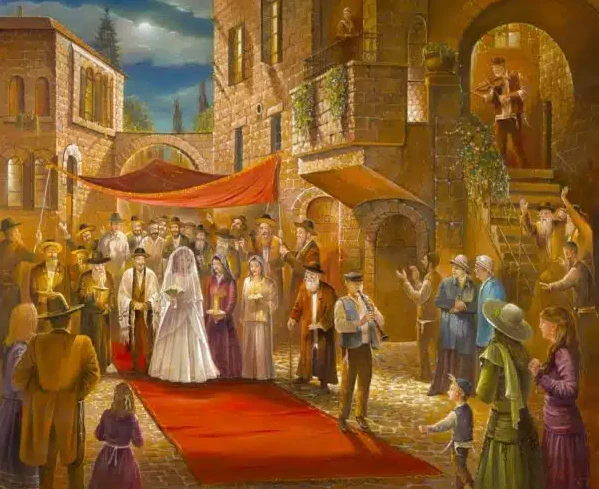
Walk into a Jewish home and you’ll probably notice at least one piece of Judaica art on the walls. It might be a painting of Shabbat candles glowing, a lively Purim scene, or an image of Jerusalem’s streets. At first, you think it’s just decoration. But then you realize it’s carrying something deeper: stories, traditions, and small pieces of memory that otherwise might slip away. That may explain why so many people still choose to buy Jewish art, it feels less like shopping and more like adding a piece of living heritage to their home.
Life Scenes That Teach Without Words
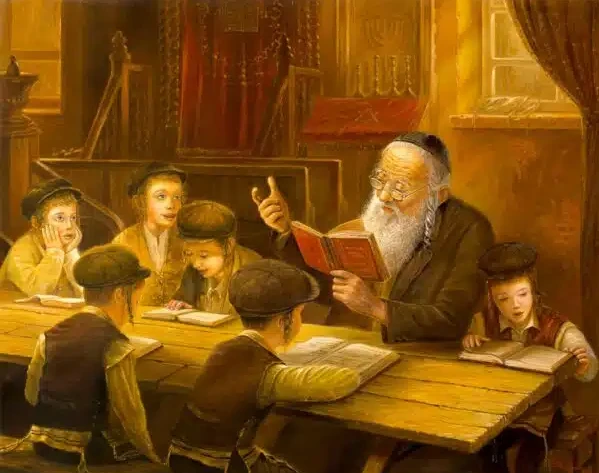
Some of the most moving works aren’t about grand historical events. They’re about everyday life. A family blessing challah at the Shabbat table. Kids in costumes during Purim. A rabbi reading with students in a study hall.
The beauty of these paintings is how they manage to teach without a single word. Someone unfamiliar with Jewish traditions can look at a canvas and immediately understand the importance of gathering, of food, of ritual. For someone raised inside the tradition, these works hit differently; they're a reminder of moments you’ve lived. You almost smell the bread, hear the singing, or sense the hush of a Friday night meal. That’s where judaica art really works: it documents life in a way that textbooks or explanations can’t.
A Window Toward Ancestors
There’s also the way art can serve as a bridge. A painting of a shtetl street corner might not show your exact family’s home, but it feels familiar if you grew up with stories of grandparents or great-grandparents in Europe. You recognize the mood, the closeness, the simplicity, the shared rhythm of community.
This kind of connection is hard to measure but easy to feel. Many collectors who buy Jewish art talk about it less as an investment and more as a personal link. A picture of Jerusalem on the wall becomes a quiet reminder of heritage. Over time, it might even be passed down to children, becoming part of the family story itself.
Expression, Not Just Preservation
Of course, not all Judaica looks backwards. A lot of modern artists are creating bold, sometimes experimental works that still fit into this category. They might use bright abstract colors around Hebrew letters or reinterpret holiday rituals in unexpected ways.
Some viewers prefer the traditional approach, while others are drawn to the new interpretations. And maybe that’s the strength of judaica art, it leaves space for both. One household may hang a gentle watercolor of a synagogue interior, another might choose something raw and modern. Both express Jewish identity, just in different visual languages.
Collecting With Feeling
Buying art is often less rational than we like to admit. You see something, and it either grabs you or it doesn’t. Maybe it reminds you of a grandparent’s home, or maybe it sparks curiosity about a tradition you’ve only just begun to practice.
That emotional pull is one reason people decide to buy Jewish art. Another is the way it naturally sparks conversation. Guests notice it. They ask questions. Suddenly you’re telling stories about holidays, family gatherings, or history. In that sense, the art is doing double duty decorating a wall and opening the door to dialogue.

A Record That Keeps Evolving
What stands out is that Judaica never really stands still. Unlike artifacts behind museum glass, these paintings move through everyday spaces, homes, synagogues, galleries. Every time they’re displayed in a new place, they take on a slightly different role.
At its heart, though, the message stays steady: these are our traditions, still here, still being carried forward. Art doesn’t just record history. In this case, it actively keeps culture in motion.
Final Thoughts
The enduring appeal of judaica art is in how it manages to be both memory and expression. It preserves rituals, prayers, and family customs, while also giving room for new voices. For some, the decision to buy Jewish art is about nostalgia. For others, it’s about identity in the present. Either way, the result is the same: a living record of culture that hangs where people gather, reminding them not just of where they come from, but of who they are right now.