
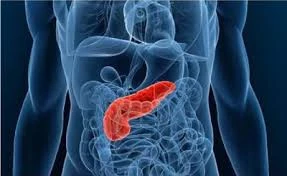
Then why does not the pancreas fit in the gut puzzle?
The pancreas is not any organ, however, it plays a role in the digestion of what we eat. It produces special juices that aid the destruction of the fat and proteins we consume. It also makes hormones like insulin that control the sugar in our blood. This combination of jobs makes pancreatic cancer very different from cancers in the stomach, liver or intestines. Something off across the whole body might mean trouble in the pancreas where tumors mess with how food gets broken down plus how sugar moves through the bloodstream.
Why does pancreatic cancer start within the pancreas cells?
According to one of the best pancreatic cancer treatment hospitals in hyderabad, something goes amiss within healthy cells and they divide at an excessive rate. Not every cell acts the same, but those along the fluid paths in the pancreas tend to turn dangerous more often. These cells normally grow in an order but when they get damaged they start multiplying too much. Over time they form lumps that block the channels. This blockage stops juices from flowing which can cause indigestion and weight loss. When cancer cells start sending out signals, they fool normal cells into supporting their growth almost like quietly turning neighbors into helpers. Such an action can be used to explain its ability to develop more rapidly than most other digestive tract cancers.
Why are some types of cancer more difficult to detect than one in the belly or in the large intestine?
Bleeding, discomfort, or shifts in how the bowels work these can pop up when something goes wrong in the gut. Tumors in the belly area or deeper in the intestines sometimes show themselves this way. Pancreatic cancer grows quietly. The pancreas is located within the abdomen such that the tumors can grow without any notice before pushing against the organs. At this level pancreatic cancer cells are good at hiding. They release substances that stop the body's system from recognizing them bad. When the illness hides well, resistance drops while detection slips out of reach.
How does pancreatic cancer spread differently than cancers?
Most cancers in the system spread to areas before moving to other parts of the body. Cancer of the pancreas moves fast. Through tiny rivers inside the body, its cells reach distant spots liver first, sometimes lungs. Enzymes pour out, softening barriers as if warmth turns wax to liquid. That hunger to escape containment shows why diagnosis usually comes late.
How do the symptoms of cancer differ with other digestive system cancers?
This may be initially manifested by yellowing skin or eyes. Stomach problems may be indicated by nausea or swollen belly. Constipation or blood appears sometimes with bowel problems. A quiet warning comes from the pancreas. Bile gets stuck if something blocks its path. Waste then stays inside instead of exiting. Diabetes can begin out of nowhere. That organ’s trouble often hides behind such changes. Once cancer attacks the pancreas, it jostles the insulin-producing cells causing blood sugar to flow abnormally. Not many tumors act like this; most folks don’t recognize the signs right away.
What are the easy things that we can do to minimize the chances of cancer?
Cancer cannot be stopped entirely, but even small everyday changes can be a difference. Forget about cigarettes, drink less, this takes a load off the pancreas. Fruits appear more frequently on the plate, as well as veggies and brown rice, to provide cells with what they require. Exercising every day regulates insulin levels, and quiet styles are pancreatic friends. Experienceable changes in the way your stomach is feeling or rapid changes in energy levels may drive you to make a clinic call earlier. Although these actions may not be able to eradicate danger, at least they enhance the defense mechanism employed by the body.
Summary: Why is it important to be aware of cancer?
Most folks overlook pancreatic cancer since it sneaks up without warning signs. Yet it races through tissue fast unlike slower tumors elsewhere. This one messes with food breakdown at the same time it throws off blood sugar balance. Spotting what sets it apart shows why bodily signals matter more than we think. Though tangled in nature, slicing it into pieces wild cell splits, clogged ducts, wonky insulin flow untangles confusion. Knowing its moves does not feed fear; instead it arms you with quiet clarity. The more we understand how pancreatic cancer is unique the better we can support living and timely care. We can find information and support at punarjanayurveda.com. This is where old wisdom meets care.
REFERENCE LINKS:
https://pmc.ncbi.nlm.nih.gov/articles/PMC12094505/
https://www.mayoclinic.org/diseases-conditions/pancreatic-cancer/symptoms-causes/syc-20355421
https://www.henryford.com/blog/2022/11/pancreatic-cancer
https://pancan.org/facing-pancreatic-cancer/about-pancreatic-cancer/what-is-pancreatic-cancer/