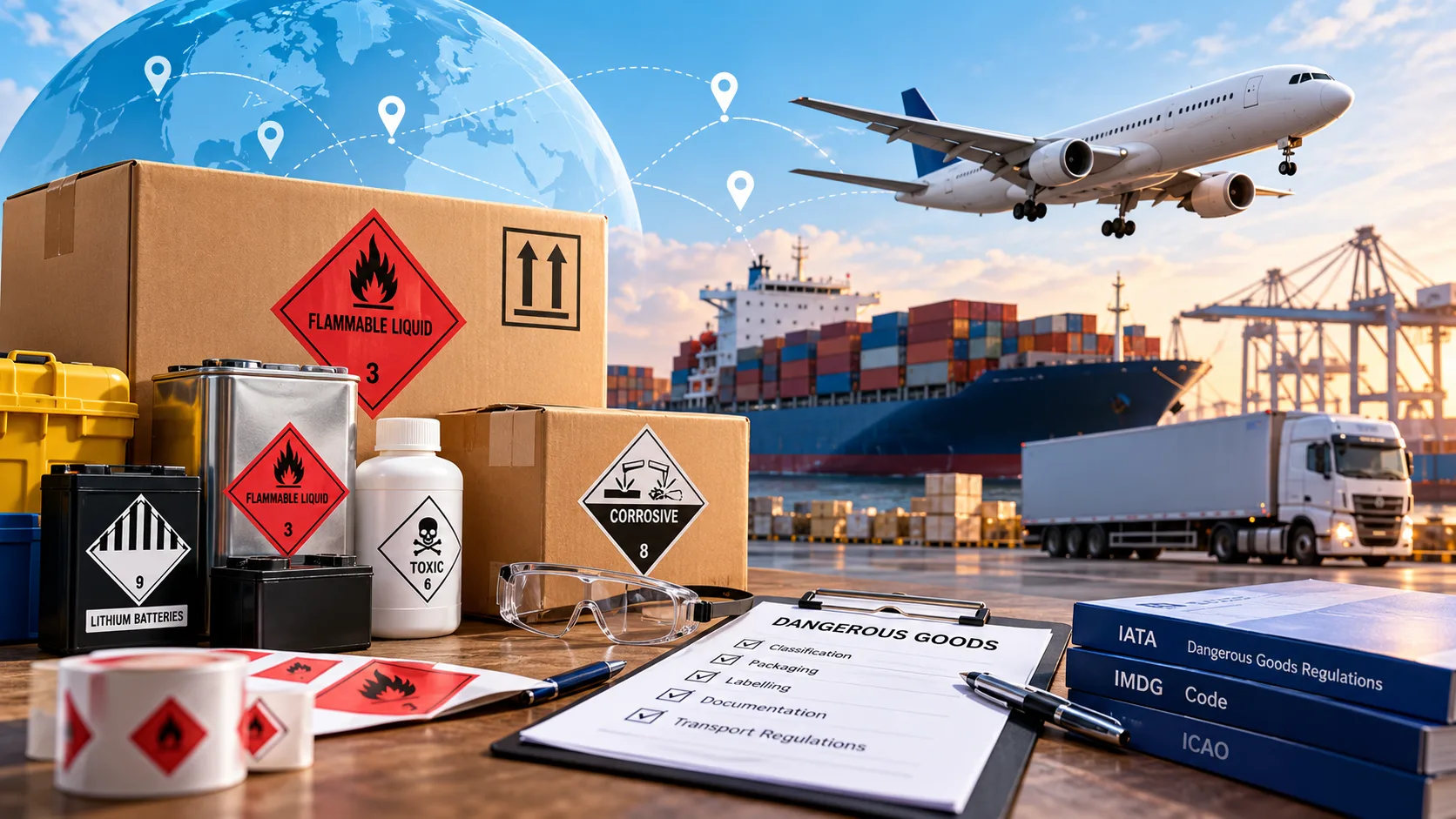
We bet you think about the last item you ordered online–a phone case, coffee or a leather bag. Chances are it passes through multiple countries, customs checkpoints, and transport modes before landing at your doorstep.
What seems like a simple transaction is, in fact, a masterpiece of global coordination. Behind the scenes, Dubai international shipping companies use invisible networks that power economies and connect producers with consumers across continents.
But what really sets them apart—and how are they adapting to rapidly shifting trade patterns, environmental concerns, and regulatory changes in 2025? In this blog, we take an in-depth look beyond container ships and terminals to explore how shipping firms are streamlining global trade in real-time.
1. The Engines of Global Trade
Here’s how international shipping companies are simplifying, accelerating, and securing global commerce like never before.
2.Strategic Port Infrastructure & Free Zones
One of the biggest catalysts for global commerce is the development of major shipping hubs with integrated free zones. Dubai’s Jebel Ali Free Zone is a prime example—nestled next to the port of Jebel Ali and Al Maktoum International Airport, it enables seamless multimodal logistics for thousands of businesses.
Meanwhile, DP World alone handles about 70 million containers annually—around 10% of global container traffic—and uses its 82 terminals across 40 countries to deliver end-to-end supply chain efficiency. Such infrastructure doesn't just move goods—it actively reduces bottlenecks, speeds up clearance, and fosters trade ecosystems that operate smoothly at scale.
3.Digital Freight Platforms and Small Ports
Digital transformation is sweeping logistics. It enables unparalleled efficiency. International platforms enable real-time carrier comparisons, automated documentation, and route optimization, thereby reducing costs and transit times.
On the maritime front, “smart ports” integrate IoT and AI, even blockchain, to handle cargo more intelligently. Automated cranes, digital customs declarations, and smart analytics are minimizing human error, slashing turnaround times, and boosting transparency for shippers and receivers alike.
4.Multimodal & Autonomous Transport Integration
Modern global shipping is rarely limited to ships alone. Instead, multimodal logistics—blending sea, rail, air, and road—lets carriers optimize based on speed, cost, cargo type, and geopolitical conditions. Innovation continues with autonomous drones, self-driving vehicles, and even autonomous ships in trial phases. Companies that embrace these technologies can navigate congestion, reduce last-mile bottlenecks, and deliver faster with fewer resources.
5.Blockchain and Smart Contracts
Global shipping involves countless parties–shippers and port authorities with customs inspection agencies. Blockchain offers a tamper-proof ledger. It ensures shipment details are transparent, secure, and unalterable.
Smart contracts streamline key transactional steps—automatic payments, customs filings, transfer of ownership—Cutting down paperwork, fraud, and settlement times.
6.Sustainability and Green Logistics
Decarbonizing shipping is not optional–it is essential. Leading carriers are investing in LNG and biofuel vessels, electric fleets for last-mile deliveries, and carbon offset programs.
Several ports are shifting to electric cranes and optimizing ship berthing schedules to reduce emissions. Shipping companies that embrace green logistics gain both regulatory compliance and brand advantage as environmental regulations tighten.
7.Regulatory Resilience & Trade Compliance
2025 is witnessing a dramatic shift in global trade rules. The U.S. has scrapped the $800 de minimis duty exemption, forcing new customs workflows and compliance systems for fashion and e-commerce shipments.
International carriers are adapting by integrating automated compliance tools, leveraging free trade zones and bonded warehouses, and offering upfront duty payment services—helping clients navigate tighter trade environments smoothly.
Cross-Border E-Commerce & Logistics-as-a-Service
The surge in global online shopping is rewriting shipping playbooks. Companies like Portless and Swap offer “logistics-as-a-service”—picking, packing, duties, returns, and deliveries managed end to end across borders.
These solutions support small-to-mid-sized brands that need fast fulfillment without the hefty infrastructure—essential in a world where same-day or express delivery is expected.
8.Resilience Through Nearshoring & Diversification
Recent global shocks—from pandemic disruptions to political instability—have injected volatility into long-haul supply chains. In response, forwarders and shippers are nearshoring production and creating diverse regional hubs for resiliency.
Partnerships like CMA CGM and ONE, which form vessel-sharing agreements between India, Europe, and North America, showcase a concerted effort to reduce route disruptions and overcapacity.
9.Customer-Centric Experience & Transparency
Modern consumers expect full-chain visibility—from manufacturing origin to doorstep delivery. Shipping firms are responding with advanced tracking (GPS + AIS systems), live notifications, and digital support tools. Proactive messaging and easy returns policies not only prevent customer complaints but actively build trust and brand loyalty.
Conclusion
Dubai international shipping companies are no longer just freight handlers—they are sophisticated and technology-driven orchestrators of global commerce. By integrating digital platforms and other solutions they are enabling faster, greener, and more resilient trade.
As emerging technologies like autonomous shipping and AI-powered logistics mature, the global economy will increasingly rely on these shipping players as critical partners in growth.