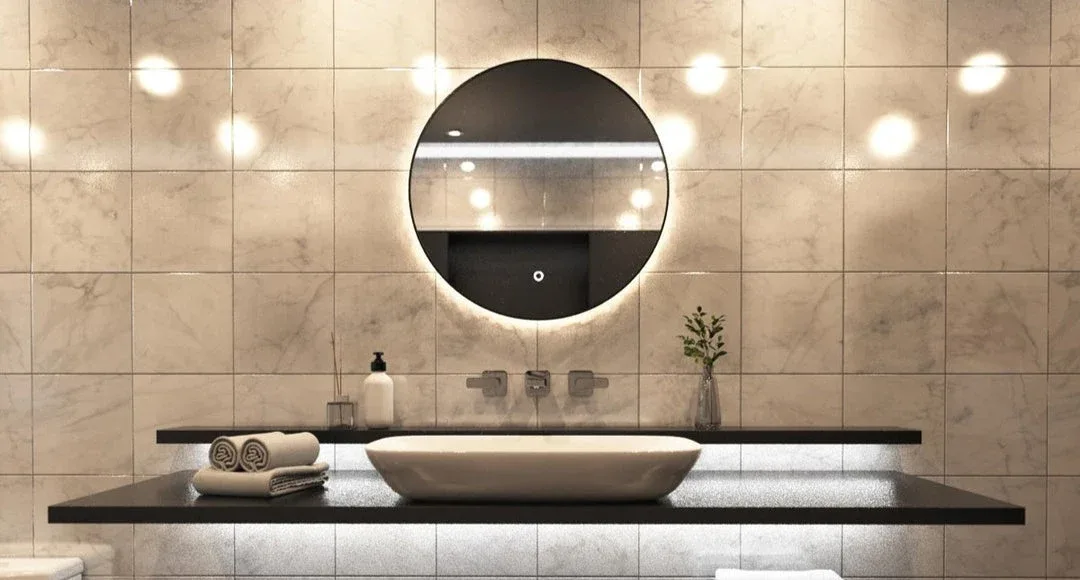

So, you're about to dive into an interior design project. Whether it's your home, office, or retail space, the excitement of creating something fresh and functional is palpable. But here’s the thing—unless you have a solid plan in place, things can quickly spiral out of control. This is where interior project management comes in. It’s not just about picking out colors or arranging furniture; it's about executing the entire vision from start to finish, on time, and within budget. It’s about ensuring that every detail comes together seamlessly.
When done right, interior project management ensures that your project is executed with the highest quality. But how exactly does this process work? Let's break it down, step by step, and explore how interior project management makes all the difference in bringing your design dreams to life.
1. Clear Vision from the Start
Any successful interior project starts with a clear vision. But let’s face it, sometimes defining that vision can be trickier than it sounds. What kind of vibe are you going for? Modern? Traditional? Cozy? Sleek? Well, that’s where a solid project manager comes in. They can help you clarify your ideas and transform them into a plan that’s both functional and beautiful.
Without interior project management, your vision might end up feeling fragmented or confusing. Think about it: how often have we seen a space that looks mismatched, as if different ideas were tacked on without rhyme or reason? A good project manager helps bridge the gap between concept and reality, ensuring that everyone involved—from designers to contractors—is on the same page.
2. Budget Control: No Surprises
Budget. The word alone can send shivers down the spine of anyone who's embarked on a renovation project. One of the biggest fears is that you'll end up overspending without realizing it. But when a project is properly managed, this is much less likely to happen.
A skilled interior project management team keeps track of every dollar spent. They know how to make sure that your design ideas are implemented without burning a hole in your pocket. They also know how to source materials within your price range, making sure that you get the best bang for your buck.
For example, let’s say you wanted marble countertops but the original plan was too costly. A good project manager might suggest alternatives like quartz, which gives a similar effect but at a fraction of the price. They’re skilled in making such choices, so you won’t feel like you have to compromise on the overall aesthetic.
3. Timely Execution: Meeting Deadlines
Deadlines can be a nightmare if not managed properly. Trust me, I’ve been there. You think it’s just a minor delay, and suddenly your project drags on for months. A good interior project management plan helps avoid those kinds of scenarios.
Having a clear timeline, with set milestones and deadlines for every phase of the project, ensures everything stays on track. Whether it’s the time it takes to order materials, install furniture, or paint walls, a project manager knows exactly how long each step should take. If any hiccups occur along the way, they can immediately adjust the schedule, keeping the project moving forward without a total collapse in the plan.
4. Expert Coordination
Interior design projects often involve several professionals: architects, designers, contractors, electricians, carpenters, and more. You’re essentially dealing with a team of people who each have their own tasks and areas of expertise. Managing them all can be a logistical nightmare if you don’t have a clear point of contact. That’s where interior project management shines.
The project manager ensures that everyone works together harmoniously. They coordinate between different parties, making sure that everyone is working towards the same goal. For instance, if the carpenters need to finish installing shelves before the painters can start, the project manager will ensure that the schedule is adjusted accordingly. Communication between teams is key to making sure nothing falls through the cracks.
5. Quality Assurance at Every Step
We all know the sinking feeling when you realize that something in your space isn’t quite up to standard. Maybe the paint job isn’t smooth, or the flooring is uneven. Or maybe the lighting fixtures you picked out don’t quite match the room. That’s why quality assurance is such a critical aspect of interior project management.
A good project manager doesn’t just monitor progress—they inspect the work as it’s being done. They make sure that everything meets the agreed-upon quality standards. If something doesn’t look right, they step in and make sure the necessary adjustments are made before moving forward. Think of it like a safety net that ensures your dream space doesn’t end up as a half-baked project.
6. Problem-Solving on the Fly
Here’s a little secret: no project goes off without a hitch. There will always be unexpected issues. Maybe a supplier delays an order, or perhaps an installation doesn’t go as planned. Whatever the problem is, it’s the project manager’s job to think on their feet and find a solution.
Good interior project management teams are skilled problem solvers. They don’t panic when things go wrong; instead, they quickly assess the situation and come up with creative solutions to keep the project moving. I’ve seen this in action myself—on a couple of projects I’ve worked on, the project manager was able to handle challenges so smoothly that it was almost like they had a magic wand.
7. Client Satisfaction
At the end of the day, the project is only successful if you're happy with the result. A good interior project management team understands that you’re not just looking for a space that looks nice, but one that feels right for you. They focus on meeting your needs, listening to your feedback, and making sure that every detail reflects your preferences.
This means regular check-ins with you, keeping you informed on the progress, and giving you the chance to voice any concerns. If something doesn’t feel quite right, a skilled manager will address it without you having to push for it.
8. Risk Management
It’s a reality—things can go wrong. But an experienced interior project management team can foresee potential issues and mitigate them before they become bigger problems. Whether it's dealing with potential budget overruns or managing supply chain issues, a project manager has contingency plans in place.
They ensure that even in the face of unforeseen events, the project continues smoothly, without the stress piling up on you. For example, they might already have a list of backup suppliers, or they might know how to rework the design to fit a smaller budget if there are unexpected costs.