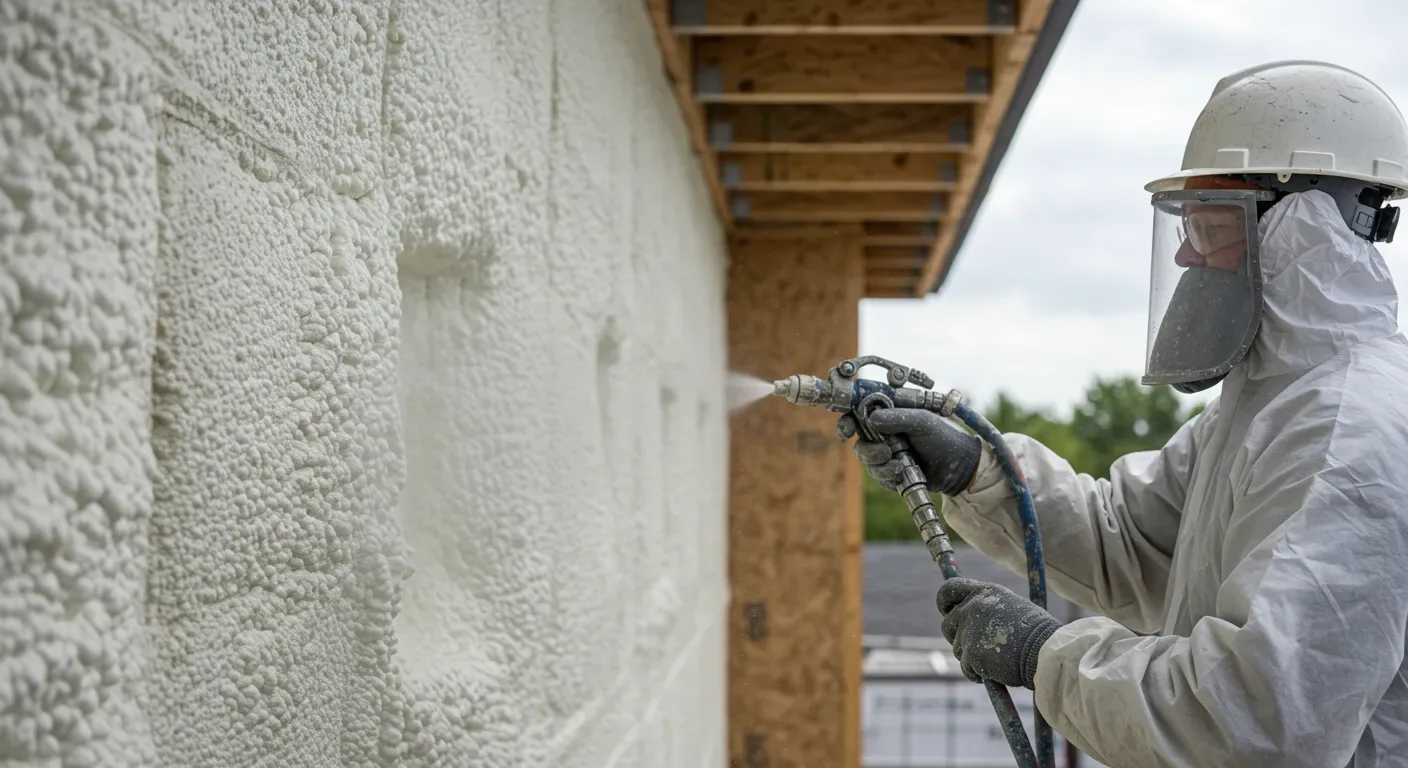
Insulation and air sealing work together as a dual defense system to maintain a stable indoor temperature and reduce energy costs in real homes throughout Lakewood, WA, improving overall home energy efficiency. Insulation slows down the transfer of heat through materials like wood and drywall, while air sealing stops the physical movement of air through gaps, cracks, and openings in the building shell.
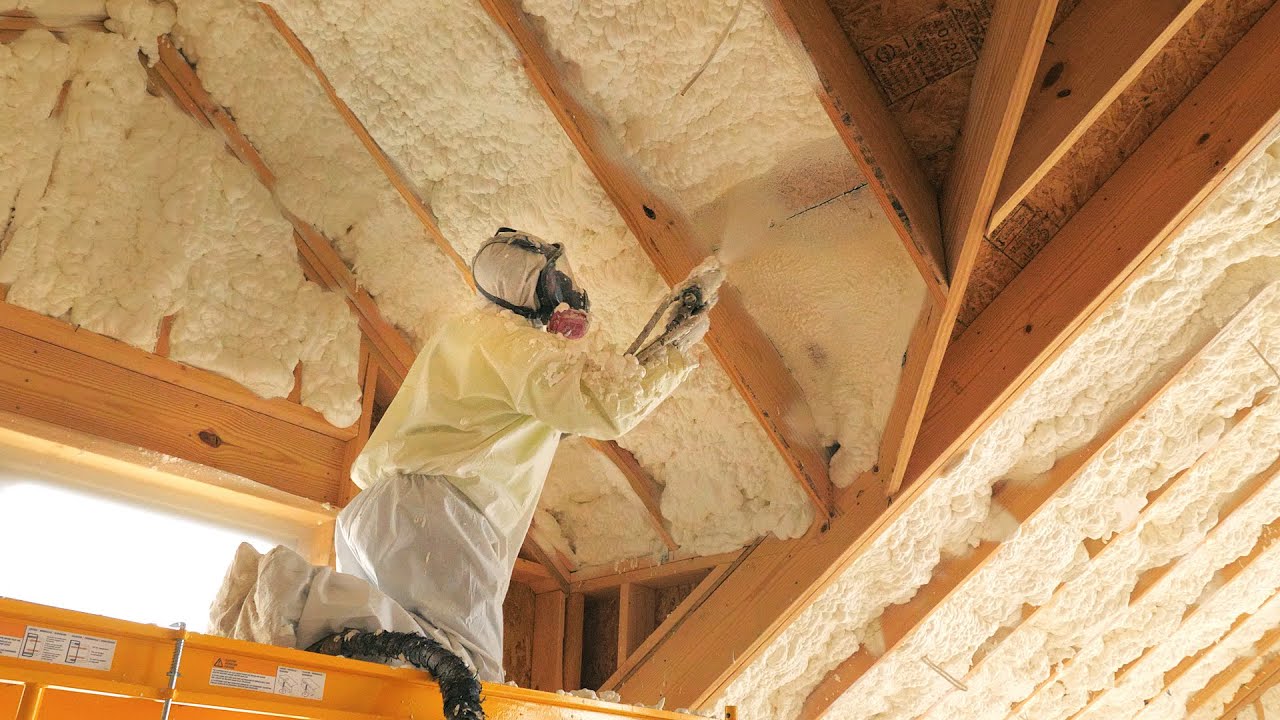
This is exactly where modern spray foam insulation becomes especially effective, because it performs both roles at once—providing strong thermal resistance while fully sealing off air leaks in areas other materials often miss.
The science of heat movement and air leaks
Heat moves in three ways: conduction, convection, and radiation. Insulation primarily addresses conduction, which is heat passing through materials. Air sealing addresses convection, which is the movement of heat through air currents. In a typical home, air leaks can account for as much as 40 percent of the energy used for heating and cooling.
If you have thick insulation but many air leaks, the air carries heat right through the gaps in your attic floor or around your windows. This makes the insulation far less effective than its rated R-value suggests. Conversely, sealing air leaks without adding insulation allows heat to still escape through the walls and ceilings via conduction.
Why Lakewood's weather requires a two-step approach
The climate in Lakewood involves damp winters and increasingly warm summers. These conditions put specific pressures on a home. During the winter, warm air inside your house rises and seeks out any opening to the cold attic. This is known as the stack effect.
Without proper air sealing, your furnace works overtime as heat escapes through recessed lights, plumbing stacks, and top plates. In the summer, the humid air outside tries to push its way into your cooler, air-conditioned spaces. A sealed and insulated home keeps that moisture out, preventing the sticky feeling often felt in older houses.
Identifying the biggest air leak offenders
Before you add more material to your attic or walls, you must find where air is escaping. Most leaks are invisible to the naked eye but have a massive impact on comfort.
Top plates: These are the horizontal wooden beams at the top of your wall frames. Gaps often exist where the drywall meets the wood.
Recessed lighting: Older "can" lights are notorious for allowing air to flow directly into the attic.
Plumbing stacks: Large holes are often cut for pipes, and these are rarely sealed during original construction.
Electrical penetrations: Small holes for wires can add up to the size of an open window when combined across the whole house.
Bonus Tip: You can check for leaks on a windy day by holding a lit incense stick near outlets or window frames. If the smoke wafts horizontally, you have a leak that needs sealing.
Choosing materials for a complete seal
Not all materials perform both functions. Some only insulate, while others only seal. Choosing the right combination is what determines the long-term success of your project.

How do insulation and air sealing prevent moisture issues?
Air leaks don't just carry heat; they carry moisture. In the Pacific Northwest, moisture control is a top priority for any homeowner. When warm, moist air from your shower or kitchen leaks into a cold attic, it condenses on the underside of the roof deck.
This condensation can lead to wood rot or mold growth over time. By air sealing the ceiling, you keep that moisture inside the living space where your ventilation system can handle it. The insulation then keeps the surfaces warm enough that any remaining moisture won't condense as easily.
The role of the rim joist in home comfort
The rim joist is the area where the house frame meets the foundation. It is one of the most overlooked areas for both air leaks and heat loss. Because it is close to the ground, it often pulls in cold air through small cracks in the masonry or wood.
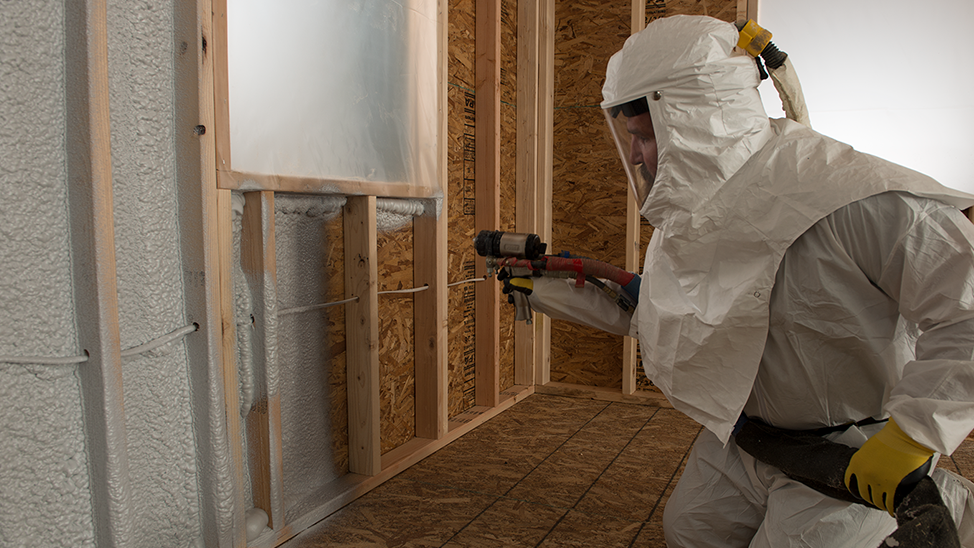
Sealing the rim joist with spray foam or rigid foam and caulk provides an immediate difference in floor temperatures on the first level. It stops the "cold feet" syndrome that many people experience during Lakewood winters.
Bonus Tip: When sealing a basement or crawlspace, always check the sill plate. This is the piece of wood that sits directly on the concrete foundation and is a major source of air infiltration.
Considering the attic as a system
You should view your attic as more than just a storage place. It is the lungs of the home. If it is improperly sealed, it breathes out your expensive heated air.
Many people make the mistake of just throwing more fiberglass over existing leaks. This actually hides the problem and can make it harder to fix later. A professional approach involves moving existing insulation aside, sealing every wire and pipe penetration, and then blowing in new material to the desired depth.
Factors to keep in mind before starting your project
Before you begin any work, you need to evaluate the current state of your home to avoid creating new problems.
Combustion safety: If you seal your house too tightly, gas appliances like water heaters need to be checked to ensure they still vent properly.
Existing mold: Never insulate or seal over existing mold. The moisture issue must be resolved and the mold cleaned first.
Knob and tube wiring: If your home is very old and still has this type of wiring, you cannot cover it with insulation, as it poses a fire risk.
Ventilation requirements: A sealed house still needs to breathe. You may need to add mechanical ventilation to ensure fresh air circulation.
Achieving the right R-value for the region
The R-value measures how well a material resists heat flow. In Western Washington, the recommended levels are higher than they were twenty years ago.
For attics, an R-value of R-49 to R-60 is now standard for high-performance homes. For walls, R-15 to R-21 is common. However, these numbers only matter if the air sealing is done first. A gap as small as one percent in your air barrier can reduce the effectiveness of your insulation by up to 30 percent.
How the stack effect changes your energy bill
The stack effect works like a chimney. Cold air is pulled in at the bottom of the house (basement or crawlspace), and warm air is pushed out at the top (attic). This constant cycle means your heater never stays off for long.
By sealing the "top" and "bottom" of the house, you break this cycle. The air stays put, and your insulation can finally do its job of keeping the heat inside. This leads to a more consistent temperature between the upstairs and downstairs floors.
Bonus Tip: If you have a multi-story home and the upstairs is significantly hotter in the summer, focus your air sealing efforts on the attic floor first.
Conclusion
Properly managing your home's thermal envelope requires a strategy that addresses both air movement and heat conduction. Sealing gaps prevents drafts and moisture buildup, while high-quality insulation keeps the heat where it belongs. In Lakewood, this combination is the most effective way to handle the damp, cool seasons and the summer heat. You should evaluate your home’s current insulation levels and look for signs of air leakage, such as uneven room temperatures or high energy costs, to determine if it is time for an upgrade.
Steps to take for a more comfortable Lakewood home
If you want to improve your living environment, you should look for a service provider who understands the local building codes and climate needs. Reaching out to experts who can perform a thorough assessment is the first step toward a more efficient property.
You can contact Cascadia Spray Foam Insulation of Seattle to discuss how these methods apply to your specific house. They offer specialized knowledge in both residential and commercial applications. You can reach them at (425) 386-3500 or by emailing [email protected] to get a free quote on your next project. Working with a dedicated team ensures that the air sealing and insulation are handled as a single, cohesive system for maximum benefit.
Common questions about home sealing and insulation
Does air sealing make a house too tight for safety?
While sealing stops accidental leaks, a home still needs fresh air. If a house becomes exceptionally airtight, they recommend installing a heat recovery ventilator to manage air exchange safely.
Can I just use more insulation instead of air sealing?
No, because insulation is porous. Air will still move through fiberglass or cellulose, carrying heat with it. Sealing is a mandatory first step for insulation to work at its full potential.
Is spray foam better than traditional fiberglass?
Spray foam is unique because it acts as both insulation and an air sealer in one application. It is often preferred for tricky areas like rim joists or vaulted ceilings, where traditional batts fail to seal gaps.
How long does the air sealing material last?
Most professional-grade sealants and foams are designed to last for several decades. Unlike weatherstripping on doors, attic and wall seals are protected from the sun and physical wear.
Will this help reduce outside noise?
Yes, air leaks are also sound leaks. By sealing the gaps where air enters, you also block high-frequency noises like traffic, sirens, and wind, making your home significantly quieter.