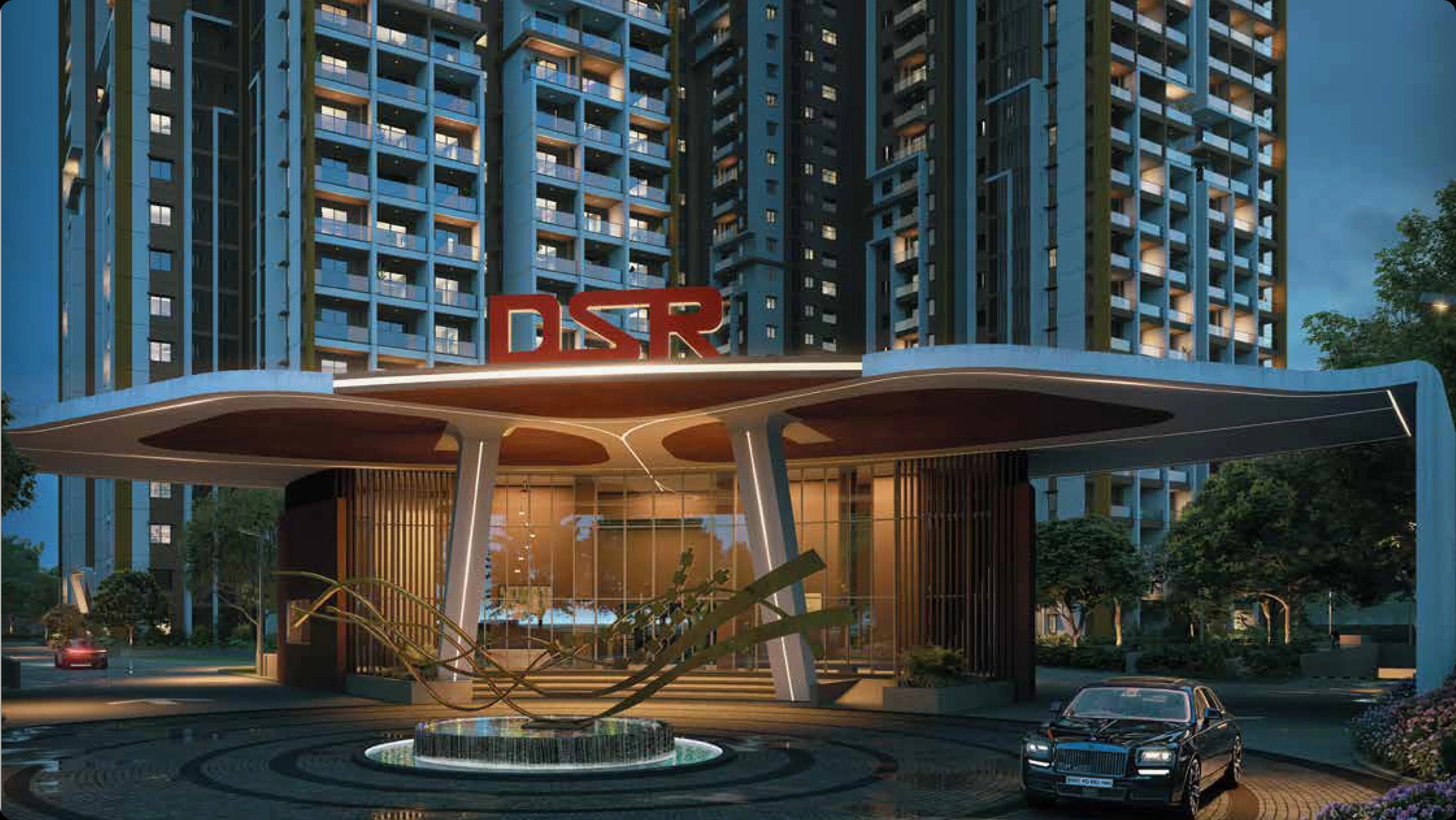
Bangalore’s real estate market is no longer driven purely by demand for housing—it is being aggressively shaped by infrastructure expansion. Roads, metro lines, tech parks, and civic developments are redefining where people want to live and invest. For developers like DSR Group, infrastructure is not just an external factor; it is a core variable that determines where and how projects are planned.
Infrastructure: The Real Growth Engine
If someone thinks real estate growth is random, they are already behind. The truth is simple—where infrastructure goes, real estate follows. Areas that were once considered outskirts have transformed into prime residential hubs purely because of connectivity upgrades.
Take Bangalore as a case study:
- Metro expansions are opening up previously ignored zones
- Peripheral Ring Road projects are reducing congestion
- IT corridors are expanding beyond traditional clusters
- Airport connectivity is driving demand in North and East Bangalore
These developments are not cosmetic—they directly impact property prices, rental demand, and buyer interest.
The Shift from Central to Peripheral Living
A decade ago, buyers were obsessed with central Bangalore. Today, that mindset is outdated. The modern buyer is willing to move further out—as long as infrastructure supports seamless connectivity.
This shift has created explosive growth in areas like:
- Sarjapur Road
- Whitefield
- Devanahalli
- Yelahanka
- Electronic City
Why? Because infrastructure has made these locations viable for daily living, not just speculative investment.
Where Buyers Are Getting Smarter
The average buyer today is far more informed than before. They are no longer just asking “What is the price?” Instead, they are asking:
- What infrastructure projects are planned nearby
- How will connectivity improve in the next 5–10 years
- Will this location attract rental demand
- Is this area backed by government investment
This shift in thinking has forced developers to step up. Only those who align with infrastructure growth are able to sustain demand.
A smart way to evaluate this is by studying top real estate companies in bangalore and understanding which developers consistently position their projects in infrastructure-backed locations.
How DSR Group Leverages Infrastructure Trends
Most builders react to infrastructure. DSR Group plans ahead of it. That’s the difference.
Their approach includes:
- Identifying corridors with upcoming metro connectivity
- Investing in areas with planned road expansions
- Aligning projects near employment hubs and tech parks
- Avoiding saturated zones with limited growth potential
This proactive strategy allows their projects to benefit from both early entry pricing and future appreciation.
The Direct Impact on Property Value
Infrastructure does not just improve convenience—it multiplies property value. Here’s how:
- Metro connectivity can increase property prices by 20–40 percent
- Proximity to highways improves resale demand
- New commercial hubs drive rental income
- Reduced travel time increases livability appeal
Buyers who understand this don’t wait for infrastructure to be completed—they invest before it peaks.
The Risk of Ignoring Infrastructure
Let’s be clear—ignoring infrastructure is a rookie mistake.
If a buyer chooses a location without considering future development, they risk:
- Slow or negligible price appreciation
- Poor tenant demand
- Limited resale opportunities
- Long-term stagnation of asset value
Infrastructure is not a bonus—it is a necessity. Any property without it is fundamentally weak.
What Serious Investors Actually Track
Professional investors don’t guess—they track data and development plans.
Their checklist typically includes:
- Government-approved infrastructure projects
- Budget allocations for urban development
- Expansion plans of major IT companies
- Traffic and commute patterns
- Historical growth trends of the area
DSR Group’s developments often align with these factors, which is why their projects tend to attract both end-users and investors.
Key Takeaways for Buyers
- Infrastructure drives real estate growth—always prioritize it
- Invest in areas before infrastructure is fully developed
- Study government plans and urban expansion strategies
- Avoid locations with no visible development roadmap
- Choose developers who plan ahead, not those who react late
Conclusion
Bangalore’s real estate market is evolving, and infrastructure is at the center of this transformation. Buyers who understand this shift are positioning themselves for long-term gains, while those who ignore it are left with underperforming assets.
DSR Group’s strength lies in recognizing these patterns early and aligning their projects accordingly. Their developments are not just built for today—they are designed for the Bangalore of tomorrow.
If someone is serious about making a smart real estate decision, they need to stop thinking short-term. Infrastructure is not just about roads and metro lines—it is about future value, convenience, and financial growth.
Ignore it, and the investment will suffer. Understand it, and the returns will follow.