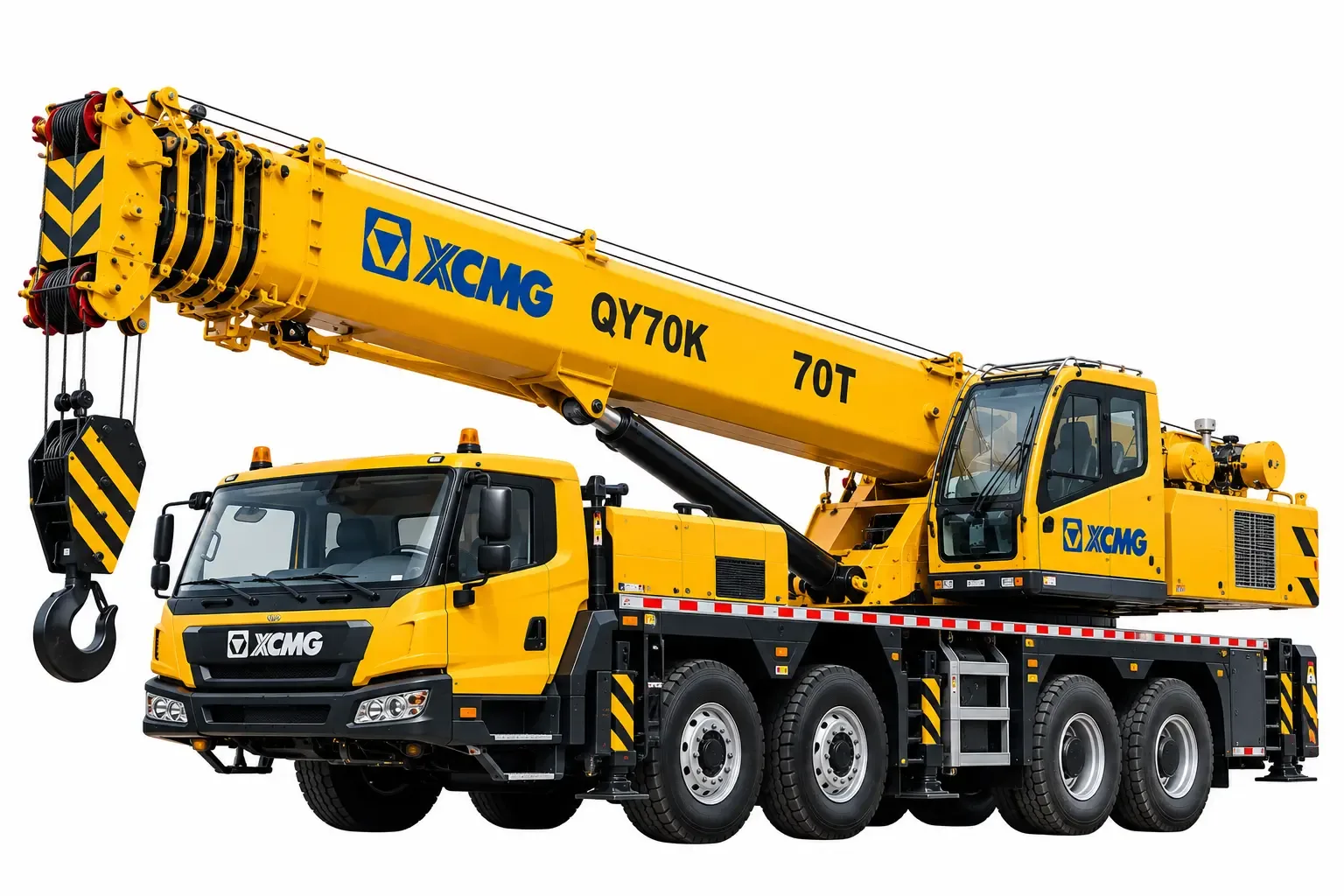
For industrial and infrastructure projects, getting cargo to its destination is only part of the logistics challenge. Equipment may arrive before a site is ready, shipments may need to be consolidated, and large components often have to be delivered in a specific order. Without a suitable place to store and manage them, early arrivals can crowd a site while delayed deliveries hold up work.
That is where well-planned warehousing services in India can help. For project cargo, a warehouse can serve as a controlled staging point between transport and the job site.
Why project cargo needs more than storage
Warehousing for industrial projects involves more than keeping goods under a roof. Heavy machinery, oversized components and other project cargo may need secure storage, careful handling, clear inventory records and a planned release schedule.
A construction site may have limited space or only be ready to receive certain items at particular stages. Storing cargo nearby and releasing it as needed can help reduce congestion and align deliveries with the project’s schedule.
Staging and sequencing cargo
Project cargo often arrives in multiple consignments. A warehouse can help bring shipments together, hold them until the site is ready, and dispatch them in a planned sequence.
This coordination is useful when different components are needed at different stages of a build. Instead of sending every item to the site as soon as it arrives, logistics teams can arrange phased deliveries around the site’s capacity and work plan.
Handling heavy and oversized goods
Standard storage facilities may not suit every industrial shipment. Heavy or over-dimension cargo can require additional space and suitable handling arrangements.
Before selecting a warehousing provider, businesses should consider the type and dimensions of the cargo, how long it needs to be stored, and how it will be loaded and dispatched. Matching the facility to the goods helps support safer storage and smoother onward movement.
Keeping inventory visible
Good inventory control helps project teams know what has arrived, what is in storage and what has been dispatched. Receiving records and dispatch documentation also make it easier to call forward the right cargo when a project reaches its next stage.
When warehouse records and transport plans work together, teams can coordinate storage and delivery with fewer handover gaps.
Connecting storage to nationwide transport
Warehousing is most useful when onward transport is part of the plan. Integrating storage with a transport network can help coordinate cargo from receipt and staging through to delivery, including shipments bound for remote project locations.
For businesses comparing warehousing companies in India, it helps to ask how storage connects with dispatch, whether phased releases can be arranged, and what documentation is provided for stored goods.
Choosing warehousing for your project
Look for a provider that understands your cargo and project requirements. Ask about secure storage, capacity for heavy or oversized consignments, inventory handling, phased dispatch and transport coverage. The right arrangement can make warehousing an active part of project coordination, rather than simply a place to hold goods.
Equity Logistics provides managed storage, cargo staging, inventory handling and dispatch connected with its pan-India transport operations. Explore its warehousing and storage services in India to see how the service supports industrial and project cargo.