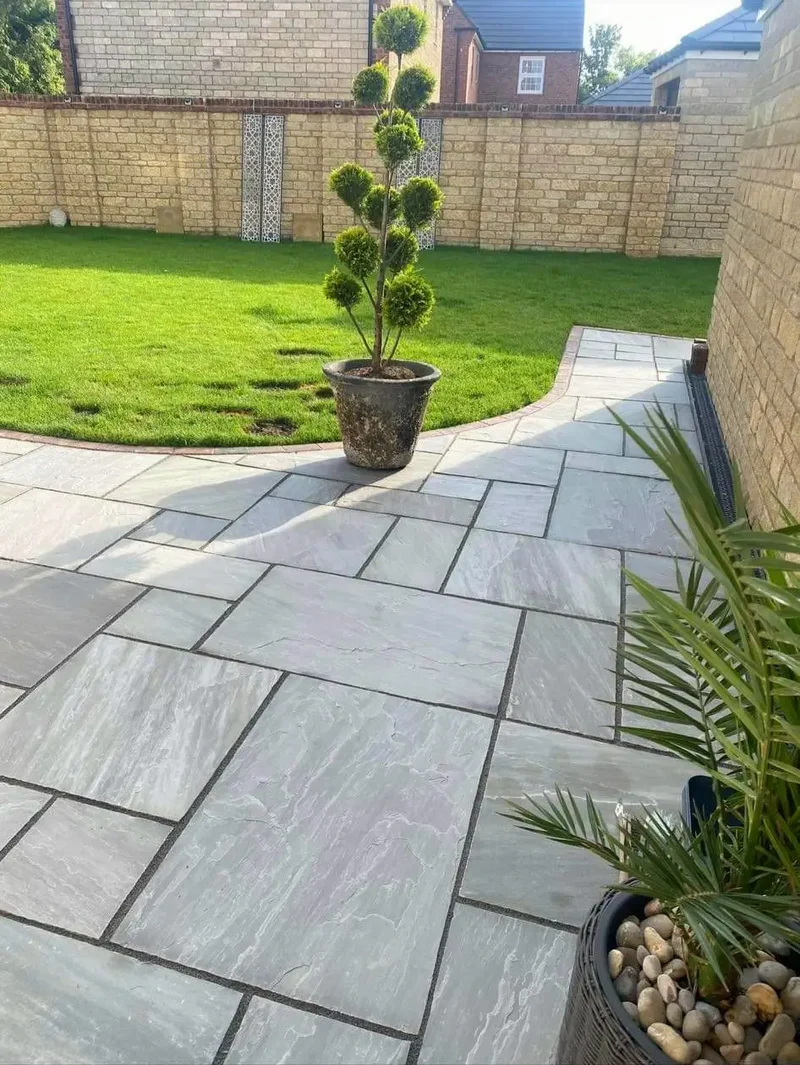
British homeowners are investing more time and care into their gardens than ever before. From cosy courtyard spaces to large countryside lawns, patios have become an extension of the home. Choosing the right surface is key, and indian sandstone slabs have become one of the most popular options for upgrading outdoor spaces across the UK.
What are indian sandstone slabs?
Indian sandstone slabs are natural stone paving stones quarried in India and widely used for patios and garden pathways in the UK. Known for their strength, textured surface, and natural colour variation, they provide durable and attractive outdoor flooring suited to British weather conditions.
Why Indian Sandstone Slabs Are Popular in the UK
The demand for indian sandstone slabs continues to grow in the natural stone paving UK market. British homeowners appreciate materials that combine practicality with visual appeal.
Several factors explain their popularity:
- They offer excellent value compared to some premium stone options.
- They suit both traditional and contemporary gardens.
- They perform well in damp, cool climates.
- They are widely available in different finishes and thicknesses.
Unlike some man-made patio paving slabs, natural sandstone has unique textures and subtle tonal shifts. This gives patios character rather than a flat, uniform look.
For anyone planning an upgrade inspired by modern garden landscaping ideas, sandstone provides flexibility without sacrificing durability.
How Indian Sandstone Slabs Enhance British Patio Design
When it comes to sandstone patio design, texture and tone make a big difference. Indian stone patio slabs bring warmth and depth to outdoor areas that might otherwise feel plain.
British gardens often feature brick walls, timber fencing, and green planting schemes. The earthy shades of sandstone complement these elements beautifully. Whether laid in a traditional random pattern or a clean linear layout, the result feels natural and balanced.
Benefits of Using Indian Sandstone Slabs for British Patios
- Natural colour variations that add character
- Long-lasting durability in changing weather
- Slip resistance due to textured surfaces
- Timeless aesthetic suitable for classic and modern homes
- Versatility in design for paths, steps, and seating areas
Many landscape designers recommend riven sandstone slabs for homeowners who want a more rustic feel. The gently uneven surface enhances charm and blends well with planting borders.
For sleek, modern homes, calibrated sandstone paving offers a smoother thickness and more uniform installation, making it ideal for contemporary outdoor patio flooring UK projects.
Colour Variations and Style Options
One of the biggest visual advantages of indian sandstone slabs is the range of colours available.
Popular options in the UK include:
- Raj Green (subtle greens and browns)
- Kandla Grey (modern neutral tones)
- Fossil Mint (light creams and soft yellows)
- Autumn Brown (rich earthy shades)
These colours allow homeowners to coordinate with exterior brickwork, render, or garden features. For example, Kandla Grey works beautifully with minimalist landscaping, while Raj Green complements cottage-style gardens.
Because sandstone is a natural product, no two slabs are identical. This creates movement and texture across the patio, which enhances visual interest.
For those exploring broader durable garden paving solutions, sandstone provides a balance between style and resilience.
Weather Durability and Performance in the UK Climate
The UK climate is known for rain, frost, and seasonal temperature changes. Choosing materials that cope well with these conditions is essential.
Indian sandstone slabs are well suited to British weather because:
- They are dense and hard-wearing.
- They resist cracking when properly installed.
- Their textured surface offers natural grip.
Are they frost-resistant? Yes, when laid on a solid base with correct drainage, sandstone performs well during winter. Proper installation prevents water from pooling beneath the slabs, reducing the risk of frost damage.
In wet weather, some patio materials can become slippery. However, riven sandstone slabs provide natural slip resistance due to their textured surface. This makes them a safe option for family gardens and high-traffic areas.
Compared to some polished stone finishes, sandstone offers a more practical surface for everyday use.
Installation and Maintenance Considerations
To get the best from indian sandstone slabs, correct installation is crucial. A professional installer will:
- Prepare a compacted sub-base.
- Use a full mortar bed for stability.
- Ensure proper drainage slopes.
- Point joints securely to prevent movement.
DIY installers can achieve good results, but attention to detail is important. Uneven bedding can cause movement over time.
In terms of maintenance, sandstone is considered one of the more low-maintenance patio materials. Regular sweeping and occasional washing with water help keep it clean.
For long-term care:
- Apply a breathable sealant if desired.
- Clean spills promptly.
- Avoid harsh acidic cleaners.
Over time, sandstone may develop a slightly weathered look. Many homeowners appreciate this natural ageing, as it enhances the character of the patio.
For more detailed guidance, consider exploring related resources such as patio installation best practices or garden paving maintenance tips.
Indian Sandstone vs Other Patio Materials
When planning outdoor patio flooring UK projects, homeowners often compare sandstone with other materials.
Sandstone vs Concrete Slabs
Concrete slabs are usually cheaper. However, they can look flat and manufactured. Sandstone provides natural texture and better visual depth.
Sandstone vs Porcelain
Porcelain paving offers a modern finish and very low maintenance. Yet it can appear less natural in traditional gardens. Sandstone blends more easily with greenery and older properties.
Sandstone vs Limestone
Limestone gives a consistent colour, but it can be more sensitive to weathering. Sandstone often provides a stronger balance of durability and colour variation.
While costs vary, indian sandstone slabs generally sit in the mid-range price bracket. They offer strong value considering their lifespan and aesthetic appeal.
Frequently Asked Questions
Are indian sandstone slabs suitable for the UK climate?
Yes. When properly installed on a solid base with good drainage, indian sandstone slabs perform well in wet and frosty conditions. Their density and durability make them suitable for British gardens year-round.
Do sandstone patios become slippery when wet?
Most riven sandstone slabs provide natural grip because of their textured surface. While all outdoor surfaces can be slippery in heavy rain, sandstone is generally safer than polished stone finishes.
How long do Indian sandstone patios last?
With correct installation and basic maintenance, sandstone patios can last several decades. Regular cleaning and occasional resealing help extend their lifespan.
Are they expensive compared to other patio materials?
Indian sandstone sits in the mid-price range. It is often more affordable than premium natural stones but slightly higher than basic concrete slabs. Many homeowners find the visual quality justifies the investment.
How do you maintain sandstone paving?
Maintenance is simple. Sweep regularly, wash occasionally with water, and avoid harsh chemicals. Applying a suitable sealant can help protect against staining and algae growth.
Conclusion
A well-designed patio transforms how a garden feels and functions. For British homeowners seeking a balance of beauty, durability, and practicality, indian sandstone slabs offer a strong solution.
They suit traditional cottages and modern townhouses alike. Their natural colour variation enhances garden landscaping ideas, while their textured surface performs well in the UK’s damp climate.
Whether you are working with a professional landscaper or planning a DIY project, choosing quality indian sandstone slabs can provide long-term value and timeless appeal. For anyone investing in a garden upgrade, natural stone remains one of the most reliable and visually rewarding choices available.