
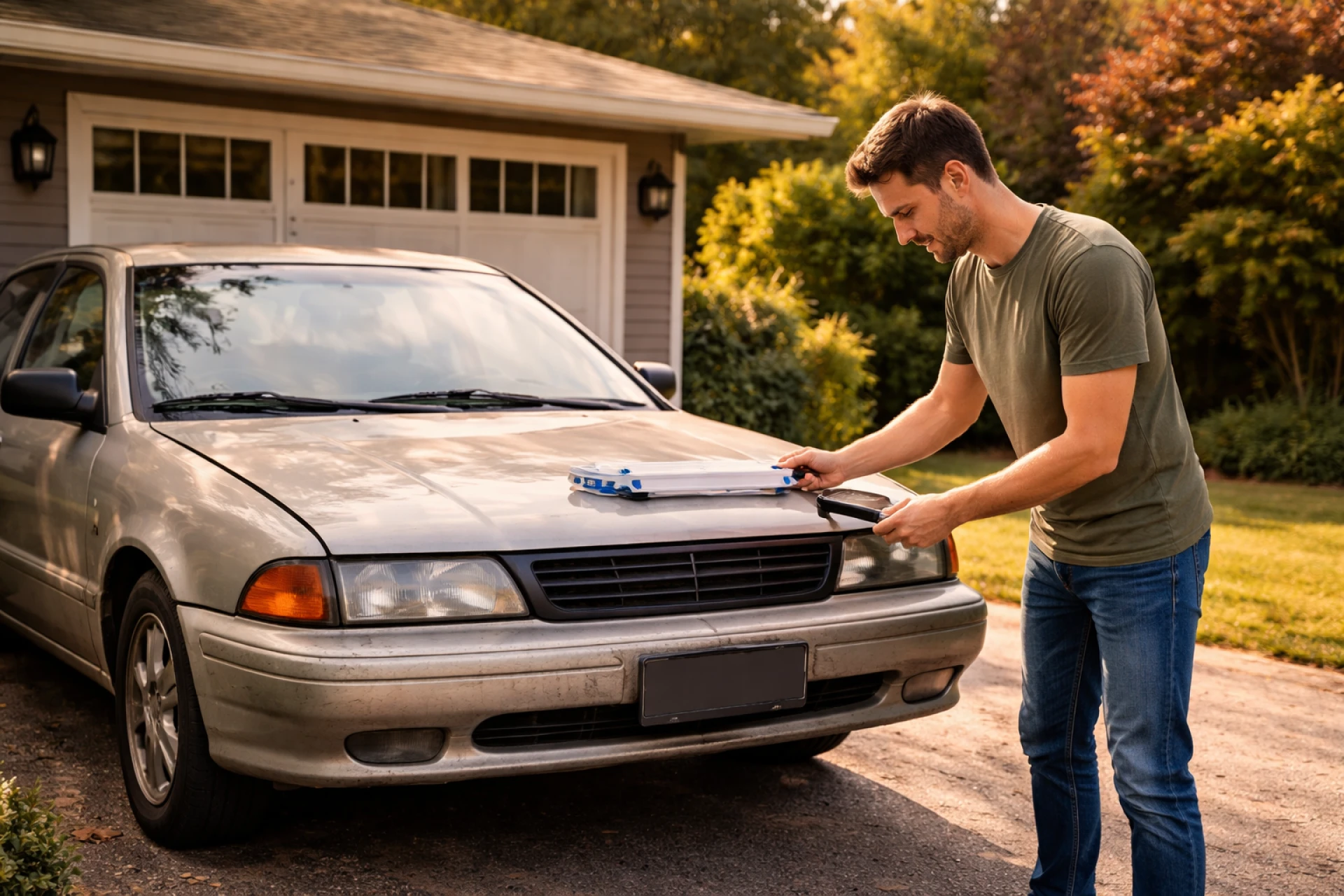
For a while, I had a car sitting in my driveway that wasn’t registered anymore. It had expired months earlier, and I kept putting off dealing with it because I didn’t know what I was supposed to do next.
The confusion mostly came from not understanding the rules around registration and plates. I wasn’t sure if I could sell it as-is, whether I needed to renew anything first, or if I had to remove the plates before doing anything else.
Every time I thought about it, I’d end up searching different answers and getting more unsure. It felt like there were too many steps involved, and I didn’t want to make a mistake.
At one point, I started looking into options to sell my car in Melbourne, but most of what I found didn’t clearly explain what happens when the car isn’t registered anymore.
Figuring Out What Actually Matters
What helped was breaking the situation down into simple parts instead of trying to understand everything at once.
The first thing I realised is that the registration status doesn’t stop the car from being removed or sold—it just changes how certain steps are handled. That alone cleared up a lot of confusion.
I also learned that number plates are usually something I needed to deal with separately. In most cases, they should be removed and returned or cancelled through the appropriate process, rather than left on the car.
Once I understood that, everything else became easier to process. The car itself didn’t need to be road-ready or registered for it to be taken away.
Looking into car removal for cash options made things clearer as well. The process didn’t rely on the car being registered—it focused more on condition, accessibility, and ownership details.
What I Actually Did to Resolve It
Once I had a clearer understanding, I finally decided to act on it instead of delaying again.
The first step I took was sorting out the plates. That gave me a sense of control over the situation, and it made everything feel more straightforward.
After that, I arranged for the car to be removed. I didn’t need to organise transport myself, and I didn’t need to make the car functional again. It just needed to be accessible.
That was something I hadn’t realised earlier—that the process is built around convenience rather than requirements. As long as the basics are covered, the rest is handled as part of the removal.
When I went through the process of removal of cars for cash, it felt much more direct than I expected. There were no unnecessary steps, and nothing felt unclear once I had the right information.
What I Learned After It Was Done
After everything was sorted, I realised that most of the difficulty came from not understanding how it works in the first place.
The idea of dealing with an unregistered car felt complicated because I didn’t know which parts actually mattered. Once I separated the facts from assumptions, the process became manageable.
The car being unregistered wasn’t a barrier—it was just a detail that needed to be handled correctly. Things like plates, access, and ownership were more relevant than I initially thought.
Looking back, I probably could have resolved it much sooner if I had focused on the right information instead of trying to figure everything out at once.
If there’s one thing that stood out, it’s that dealing with an unregistered car isn’t as complicated as it seems. Most of the confusion comes from uncertainty, not the actual steps involved.
Once those steps are clear, the whole process becomes much easier to handle.