
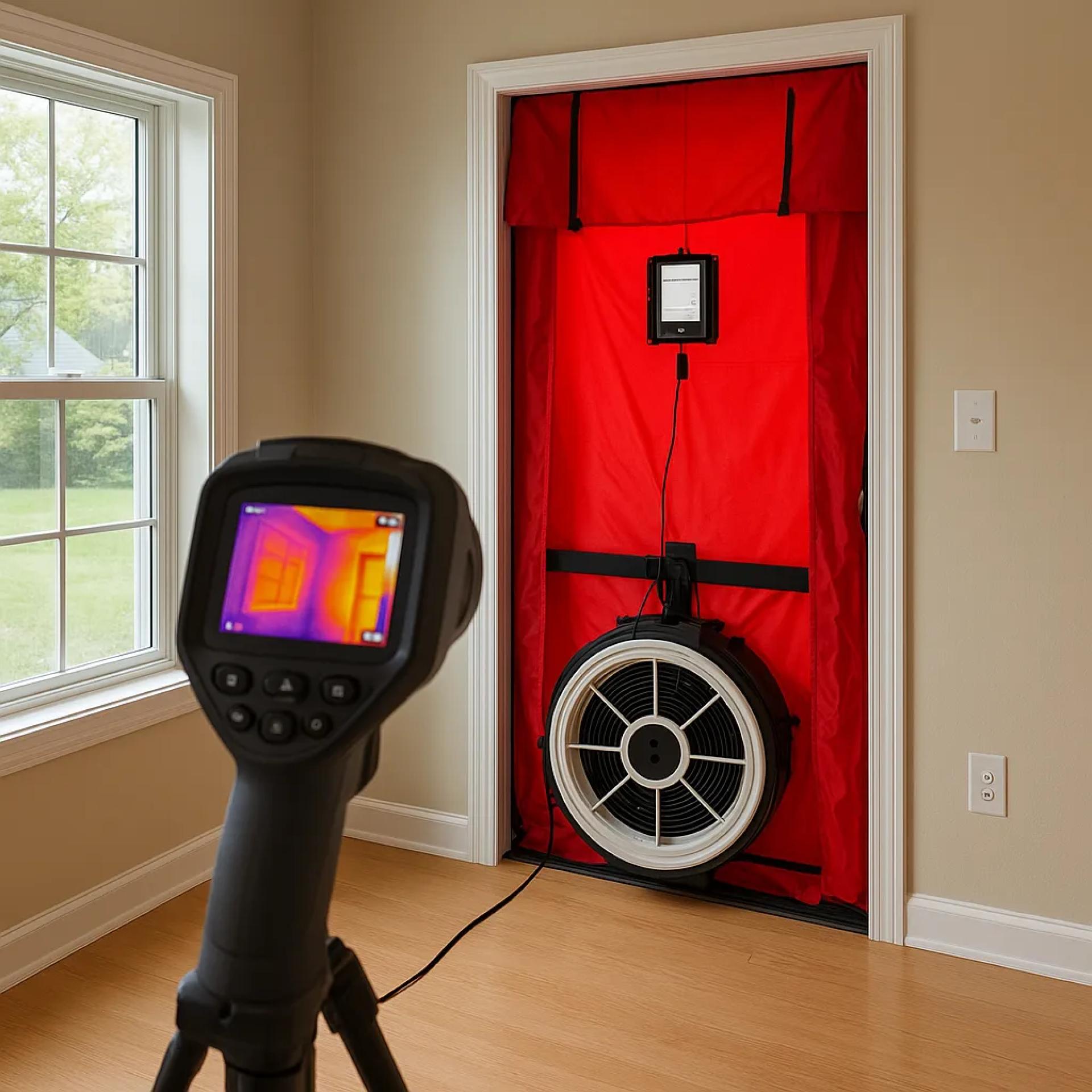
A home performance evaluation identifies wasted energy sources by using diagnostic technology to measure air leakage and thermal resistance across the building envelope. These assessments pinpoint exactly where conditioned air escapes and where outside air enters through hidden gaps, cracks, and poorly insulated voids. By moving away from guesswork, these evaluations provide a data-driven roadmap for targeted improvements that maximize energy efficiency and indoor comfort.
This methodical process reveals the hidden defects that cause high utility bills and uneven temperatures across different rooms. Technicians analyze the house as an integrated system rather than a collection of separate parts, ensuring that any upgrade works in harmony with the existing structure. This guide provides an objective look at how modern tools help families stop energy loss and improve their living environment.
Expert professionals draw on years of technical training and field experience to perform these diagnostic tests. Those with advanced certifications, such as the Master Installer designation from the SPFA, understand the science of air movement and moisture transfer. Their specialized knowledge enables them to diagnose complex issues that a simple visual inspection would miss, providing a reliable foundation for home health care.
Diagnostic Tools for Measuring Air Infiltration
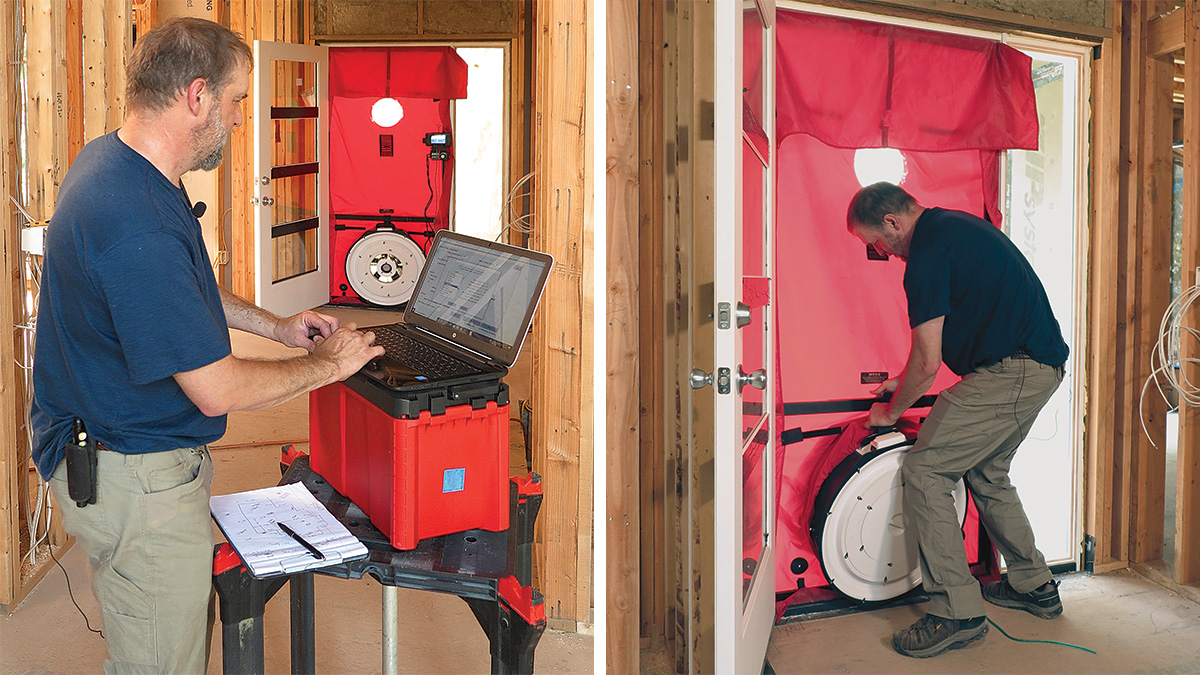
Technicians use several specialized devices to quantify the amount of energy a home loses to the outdoors. These tools provide concrete numbers and visual evidence of problems that are otherwise invisible to the naked eye. The data collected during these tests allows for a precise calculation of the potential savings an owner can expect after completing specific upgrades.
The evaluation process typically involves several key pieces of equipment and testing methods:
- Blower door systems depressurize the house to exaggerate air leaks for easier detection.
- Manometers measure the pressure differences between the interior and exterior environments.
- Smoke pencils or small fog machines track the physical path of air movement through cracks.
- Thermal sensors monitor temperature variations on wall and ceiling surfaces.
Infrared Imaging and Thermal Anomalies
Infrared cameras allow inspectors to detect heat signatures indicating missing or degraded insulation. When viewed through an infrared lens, cold spots appear as dark areas, while warm spots appear as bright colors. This visual proof shows precisely where the thermal barrier has failed or where it was never properly installed during the original construction.
Detecting Convective Loops in Wall Cavities
Convective loops occur when air circulates within an empty wall space, transferring heat from the interior to the exterior. This process occurs even if there are no direct holes in the drywall, as the moving air carries away energy. Thermal imaging identifies these loops by showing temperature patterns that suggest air is tumbling inside the wall.
Identifying Cold Spots in Ceiling Corners
Corners where the wall meets the ceiling are common areas for insulation gaps because they are difficult to reach in many attic designs. Infrared scans often find "thermal bypasses" in these locations where heat escapes directly into the attic. Identifying these specific spots allows installers to focus their efforts on the areas with the highest energy loss rates.
Bonus Tip for Better AccuracyPerforming a thermal scan is most effective when there is a temperature difference of at least twenty degrees between the inside and outside. Homeowners should plan their evaluation during the peak of winter or the height of summer. This temperature spread makes it much easier for the infrared camera to detect thermal anomalies and air leaks.
Understanding the Impact of Thermal Bridging
Thermal bridging occurs when materials that conduct heat, such as wood studs or metal frames, bypass the insulation. Even a well-insulated wall can lose significant energy if the framing acts as a highway for heat transfer. Evaluations help quantify this loss and determine if adding a continuous layer of insulation is necessary.
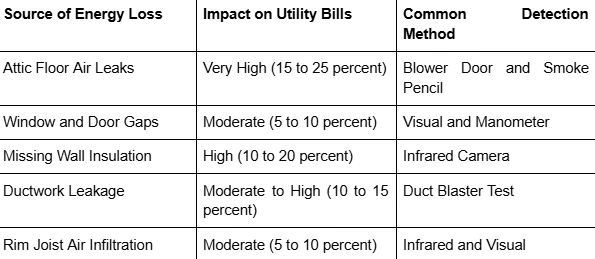
The following table compares familiar sources of energy loss found during a typical home evaluation:
The Role of Blower Door Testing
A blower door test is the standard for measuring a residential building's overall airtightness. By pulling air out of the house, the tool forces outside air in through every available gap, making small leaks easy to find. This test provides an "Air Changes per Hour" (ACH) rating, which indicates how many times the entire volume of air in the house is replaced by outdoor air.
Quantifying Air Exchange Rates
Market data from the Department of Energy suggests that many older homes have ACH ratings that are three times the recommended level for efficiency. Reducing this rate through professional air sealing can significantly lower the energy needed to keep a home comfortable. The evaluation provides a baseline measurement so homeowners can track the success of their efficiency projects.
Bonus Tip for Duct SealingAlways ask the technician to check the ductwork in unconditioned spaces, such as attics or crawl spaces. Leaky ducts can lose a large portion of the air produced by the furnace before it ever reaches the rooms. Sealing these connections with professional materials ensures that the energy the owner pays for actually benefits the living space.

Things to Consider Before Making a Decision
A home performance evaluation provides a lot of data, but the owner must decide which repairs to prioritize. Not every energy leak is equal, and focusing on the areas with the highest return on investment is the best strategy. It is helpful to review the evaluation report with a professional who understands local building science.
Consider these factors when reviewing an evaluation report:
- The age of the existing insulation and whether it has been damaged by moisture or pests.
- The condition of the home's mechanical systems and their ability to handle a tighter building envelope.
- The potential for improved indoor air quality once outdoor pollutants are blocked.
- The length of time the family plans to stay in the home to calculate the total energy savings.
Evaluating Long Term Savings vs Upfront Costs
The goal of an evaluation is to identify the most cost effective ways to improve the home. While some repairs are simple, others require more significant material changes like adding spray foam insulation to the attic or rim joists. Comparing the monthly utility savings against the cost of the upgrade helps owners make a logical financial decision.
Regional Guidance for Chicago ClimatesChicago-area homes face unique pressure due to the extreme difference between indoor and outdoor temperatures in winter. This creates a strong "stack effect," pushing warm air out of the top of the house with significant force. Professional evaluations in this region must focus heavily on the attic floor and basement rim joists to combat this pressure.
Frequently Asked Questions
How long does a home performance evaluation take?
A thorough evaluation usually takes between two and four hours for a standard residential property. The technician needs time to set up equipment, scan every room with infrared technology, and perform the blower door test. Owners receive a detailed report following the visit that outlines the findings and recommends specific improvements.
Is the testing noisy or invasive?
The blower door fan creates a steady humming sound, similar to a large house fan, but it is not overly loud. The testing is non-invasive and does not require drilling any holes in the walls. Technicians simply need access to all rooms, the attic, and the basement or crawlspace to get an accurate reading.
Will the test identify the source of my allergies?
By identifying air leaks, the evaluation shows where outdoor dust and pollen are entering the home. Sealing these gaps often leads to a noticeable improvement in indoor air quality. While it does not test for specific allergens, it identifies the pathways that allow them to contaminate the living space.
Can an evaluation help with ice dams?
Yes, ice dams are usually caused by heat escaping through the attic floor and melting snow on the roof. The evaluation identifies the specific air leaks and insulation gaps that cause this heat loss. Fixing these issues prevents the roof from warming up, which stops the cycle of melting and freezing at the gutters.
Do new homes need evaluations, too?
Even brand new homes can have hidden defects in the insulation or air barrier. A performance evaluation verifies that the builder met the expected efficiency standards and ensures there are no overlooked gaps. It is a valuable tool for quality control and provides peace of mind for the new property owner.
Summary of Energy Loss Identification
A home performance evaluation is the most effective way to identify where energy is being wasted. By using diagnostic tools, technicians provide objective data that helps homeowners choose the right solutions for their specific house. This process eliminates guesswork and ensures that every dollar spent on upgrades results in a more efficient, comfortable home. Targeted repairs based on these findings provide lasting benefits for the structure and the family living inside.
Professional Evaluation Services
For those looking to stop energy loss, South Chicago Insulation offers technical evaluations and expert insulation services. They use advanced building science to help families identify moisture and air infiltration issues. Homeowners can reach the team at (779) 803-8025 or via email at [email protected] for more information. Contacting these experienced professionals is the first step toward a more efficient home that costs less to operate and feels better to live in.
Author: Bob Gasca is a certified Spray Foam Master Installer and SPFA member with nearly two decades of experience in moisture management and home performance diagnostics.
Reviewer: Noah Gonzalez reviewed this content, drawing on 9 years of field experience to ensure the guidance is practical and accurate for residential energy efficiency projects.