
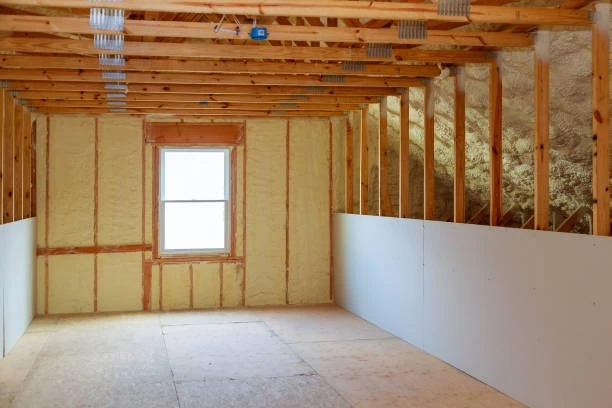
Home insulation does more than control temperature—it also plays a major role in reducing unwanted noise. The right insulation materials can absorb sound, block outside noise, and limit how sound travels between rooms, making your home quieter and more comfortable.
Quick answers that matter most:
- Insulation absorbs sound waves before they echo through walls and ceilings.
- Dense insulation materials help block outdoor noise like traffic and neighbors.
- Proper insulation reduces room-to-room noise transfer inside the home.
Why Insulation Matters for Noise Control in Homes
Noise pollution is a common issue in modern homes, especially in busy neighborhoods or multi-level houses. Insulation works as a sound-management layer by slowing and weakening sound vibrations as they move through building materials.
According to guidance from the U.S. Department of Energy, insulation materials can significantly reduce noise transmission by filling gaps and cavities that would otherwise allow sound to pass freely. This makes insulation a practical solution for both comfort and privacy.
1. Insulation Absorbs Airborne Sound Waves
Sound travels through air as vibrations. When these vibrations hit empty wall cavities, they bounce and amplify. Insulation disrupts this process.
How Sound Absorption Works
Insulation materials like spray foam, fiberglass, and cellulose trap sound waves and convert them into small amounts of heat energy.
Common sound sources absorbed by insulation include:
- Voices and TV noise
- Music and home theater systems
- Echo and reverberation in large rooms
The Environmental Protection Agency explains that reducing sound at its transmission point is one of the most effective ways to control indoor noise, which is exactly what insulation does inside walls and ceilings.
2. Insulation Blocks Outside Noise From Entering
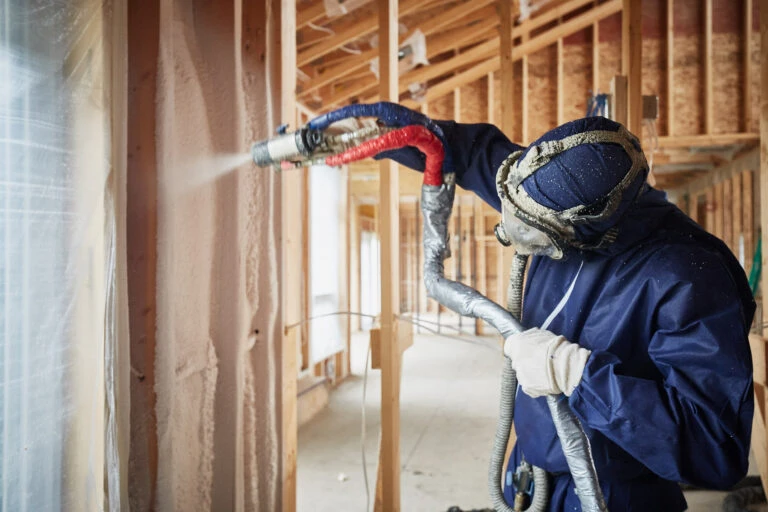
Outdoor noise enters a home through weak points like walls, attics, and rim joists. Insulation adds mass and density, which makes it harder for sound to pass through.
Exterior Noise Sources Insulation Can Reduce
- Road and highway traffic
- Construction and industrial noise
- Lawn equipment and neighborhood activity
Closed-cell spray foam is especially effective because it creates an airtight seal while adding structural density. This combination limits both sound and air movement, reducing the paths noise can use to enter the home.
3. Insulation Limits Room-to-Room Noise Transfer
Interior noise transfer is a common frustration in family homes, apartments, and home offices. Sound easily travels through shared walls and floors if they are not insulated.
Areas Where Sound Transfer Is Most Common
- Bedrooms next to living rooms
- Bathrooms sharing walls with bedrooms
- Home offices under second floors
The National Research Council of Canada notes that improving Sound Transmission Class (STC) ratings requires adding insulation within wall assemblies. Higher STC ratings mean less sound passes through walls and floors.
4. Insulation Reduces Vibration and Impact Noise
Not all noise is airborne. Footsteps, dropped objects, and appliances create vibration-based sound that travels through framing.
How Insulation Helps With Impact Noise
- Dampens vibration in floor cavities
- Reduces echo from hard surfaces
- Limits sound resonance in framing systems
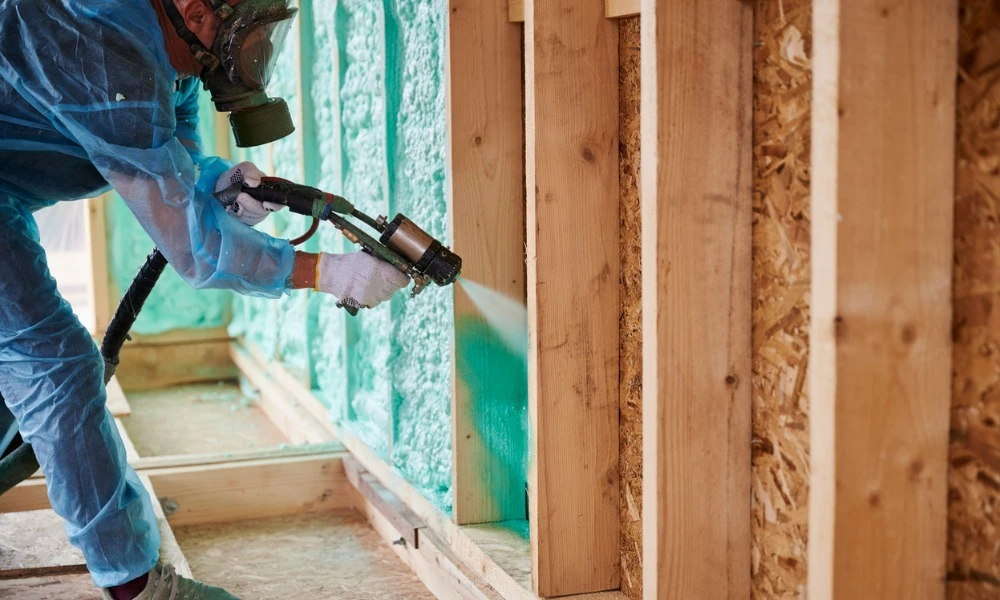
Spray foam insulation adheres directly to surfaces, which helps stabilize framing and reduce vibration-related noise over time.
Insulation Material Comparison for Noise Reduction
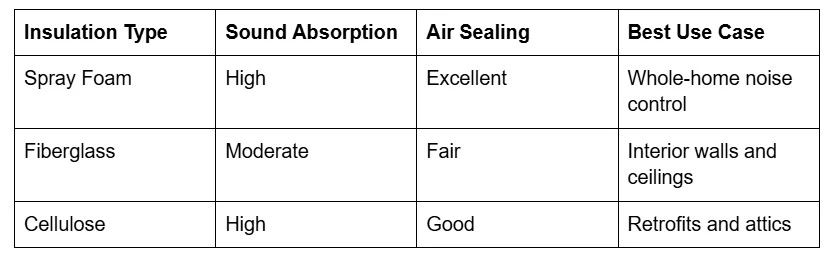
Spray foam stands out for noise control because it combines sound absorption with air sealing, addressing multiple noise pathways at once.
Cost vs. Noise Reduction Benefits
While spray foam insulation may cost more upfront, the long-term benefits often outweigh the initial expense.
Value advantages include:
- Improved sleep and comfort
- Better privacy between rooms
- Added energy efficiency and lower utility bills
Professional installation ensures proper coverage and performance, especially in hard-to-reach areas where noise leaks are common.
Frequently Asked Questions About Insulation and Noise
Does insulation completely soundproof a home?
No. Insulation reduces noise but does not eliminate it entirely. Full soundproofing requires additional construction methods.
Is spray foam better than fiberglass for noise?
Yes. Spray foam provides better air sealing and vibration reduction than fiberglass alone.
Can insulation help with noisy neighbors?
Yes. Insulating shared walls and attics can noticeably reduce outside and neighbor noise.
Does attic insulation reduce street noise?
Yes. Attics are major sound entry points, and proper insulation can significantly lower noise levels.
Is insulation effective for home offices?
Absolutely. Insulated walls and ceilings help create quieter, more productive workspaces.
How long does noise-reducing insulation last?
Most insulation materials last decades when professionally installed and properly maintained.
Conclusion: A Quieter Home Starts Inside the Walls
Home insulation reduces noise by absorbing sound, blocking outside disturbances, limiting room-to-room transfer, and dampening vibration. It’s a practical upgrade that improves comfort, privacy, and everyday living.
If you want a quieter, more energy-efficient home, professional guidance makes all the difference.
Contact Prestige Insulation Solutions Email: [email protected] Call: (850) 429-4969
Author: Rene Zamarripa, spray foam installer and owner with 17 years of hands-on experience in residential and commercial insulation.
Reviewer: Benjamin Lee, insulation professional with over 13 years of spray foam industry experience.
Sources
- U.S. Department of Energy – Federal guidance on insulation performance and benefits.
- Environmental Protection Agency – Overview of noise pollution and sound control principles.
- National Research Council of Canada – Standards related to sound transmission and building performance.