
For human beings with disabilities, independence frequently comes right down to having the right tools in the area to feel safe, secure, and on top of things. While accessibility capabilities like ramps, grab bars, and voice-activated devices are common in inclusive homes, one piece of technology that’s making a big difference—though often overlooked—is the home alarm device.
Modern alarm structures are not just about stopping damage; they also function as a deterrent to robbery. With clever functions, voice management, and faraway tracking, they can assist humans with mobility, imaginative and prescient, listening, or cognitive impairments in leading more independent and confident lives.
Let’s discover how domestic alarm systems empower people with disabilities and pick out the capabilities which have the most extensive impact.
Enhanced Safety at Home
For many humans with disabilities, quickly reaching a door or checking for uncommon sounds may not usually be physically possible. This is where a domestic alarm machine will become more than a protection tool—it becomes a safety assistant.
Door and window sensors instantly alert the person if something is opened, whether or not it’s a potential intruder or simply someone getting into the home abruptly. Glass ruin detectors and motion sensors can upload a further layer of recognition for people who won't pay attention or see what’s taking place around them.
With computerized signals and voice-enabled instructions, these systems lessen the need for bodily responses while offering an experience of protection.
Voice Control for Easy Operation
Voice assistants like Amazon Alexa, Google Assistant and Siri on Apple devices have made the alarm system much less difficult than before. For individuals with restricted hand mobility, it is a game-changer to be able to handle the system through voice.
You can say things like:
“Alexa, arm the security device.”
“Hey Google, is my alarm set?”
“Siri, lock the front door.”
This fingers-free management removes boundaries, permitting users to operate their systems independently with no need to reach a panel or use a telephone on every occasion.
Accessible Alerts for All Abilities
Traditional alarm structures rely closely on sound to alert homeowners of danger. For people who are deaf or hard of hearing, this can be useless or maybe risky in an emergency.
Smart alarm structures nowadays can deliver signals in more than one method:
- Flashing lighting fixtures for visible cues
- Vibration signals on smartphones or wearable gadgets
- Push notifications and textual content messages
- Connected smartwatches for subtle wrist notifications
Some systems can even be paired with vibrating mattress shakers or flashing strobe lighting fixtures in the event of an emergency at any point during sleep. These multi-sensory options make sure no one is left blind to the ability hazard.
Remote Monitoring and Support
For folks who may not stay with a caregiver or family member, having the ability to provide access to their alarm device can offer reassurance for all events.
Most structures allow for:
- Multiple users get admission to permit a dependent caregiver or cherished one to check the popularity or acquire indicators.
- Real-time monitoring permits faraway family members to respond to emergencies or test in from anywhere in the world.
- Emergency panic buttons, both physical and digital, can notify emergency contacts or cause an expert reaction in the event of an emergency.
This remote connectivity promotes both autonomy and guidance, bridging the gap between unbiased living and staying connected with loved ones.
Integration with Other Smart Devices
Alarm structures nowadays don’t operate in isolation. They’re a part of a bigger smart domestic community that could make regular existence extra convenient and steady.
For instance:
- A smart door lock can be controlled by telephone or voice command, which can remove the need to fumble with keys.
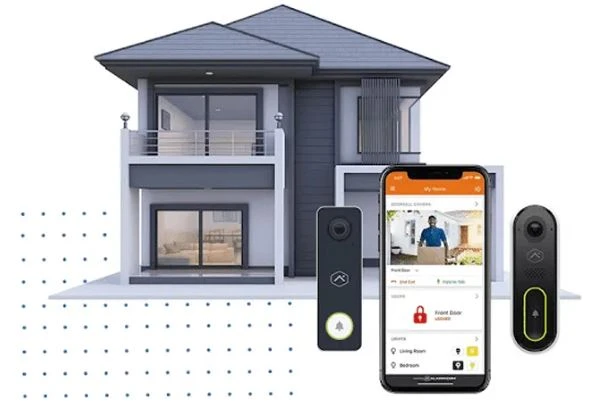
- Video doorbells enable customers to look and communicate with visitors without going to the door.
- Smart lights can be brought about with the aid of movement or set on a schedule to help with nighttime protection and navigation.
- Environmental sensors (for smoke, carbon monoxide, and floods) can discover hazards and alert users earlier than they become risky.
By integrating with those tools, an alarm device will become a central piece of a nicely-rounded, on-hand clever domestic.
Peace of Mind Without Sacrificing Independence
One of the biggest demanding situations for humans with disabilities is balancing independence with safety. They don’t want to experience being watched or structured; however, they need to feel secure in their space. Smart alarm structures offer private manipulation—customers determine what to automate, who receives access, and how they receive signals. This flexibility respects privacy at the same time as help is available when needed.
For families, knowing that a funded is a responsible, smart security setup provides peace of mind without any infiltration.
What to Look for in an Alarm System for Accessibility
If you are choosing a home security alarm system for yourself or a loved one with an incapacity, search for:
- Voice assistant compatibility (Alexa, Google, Siri)
- Visual and vibration alert alternatives
- Mobile app with an intuitive interface
- Remote monitoring and shared access
- Integration with different clever domestic devices
- 24/7 professional tracking, if preferred
Brands like SimpliSafe, ADT, Ring, Abode, and Vivint offer varying levels of accessibility capabilities, so take time to evaluate what fits you.
Final Thoughts
Home alarm systems are no longer only equipment to exclude intruders - they are powerful partners in helping people with disabilities live safe, more independent lives. From clever indicators to voice control and distant assistance, those systems provide self-observation, convenience and management.
With the right setup, a stable domestic is not only possible - it is strong.