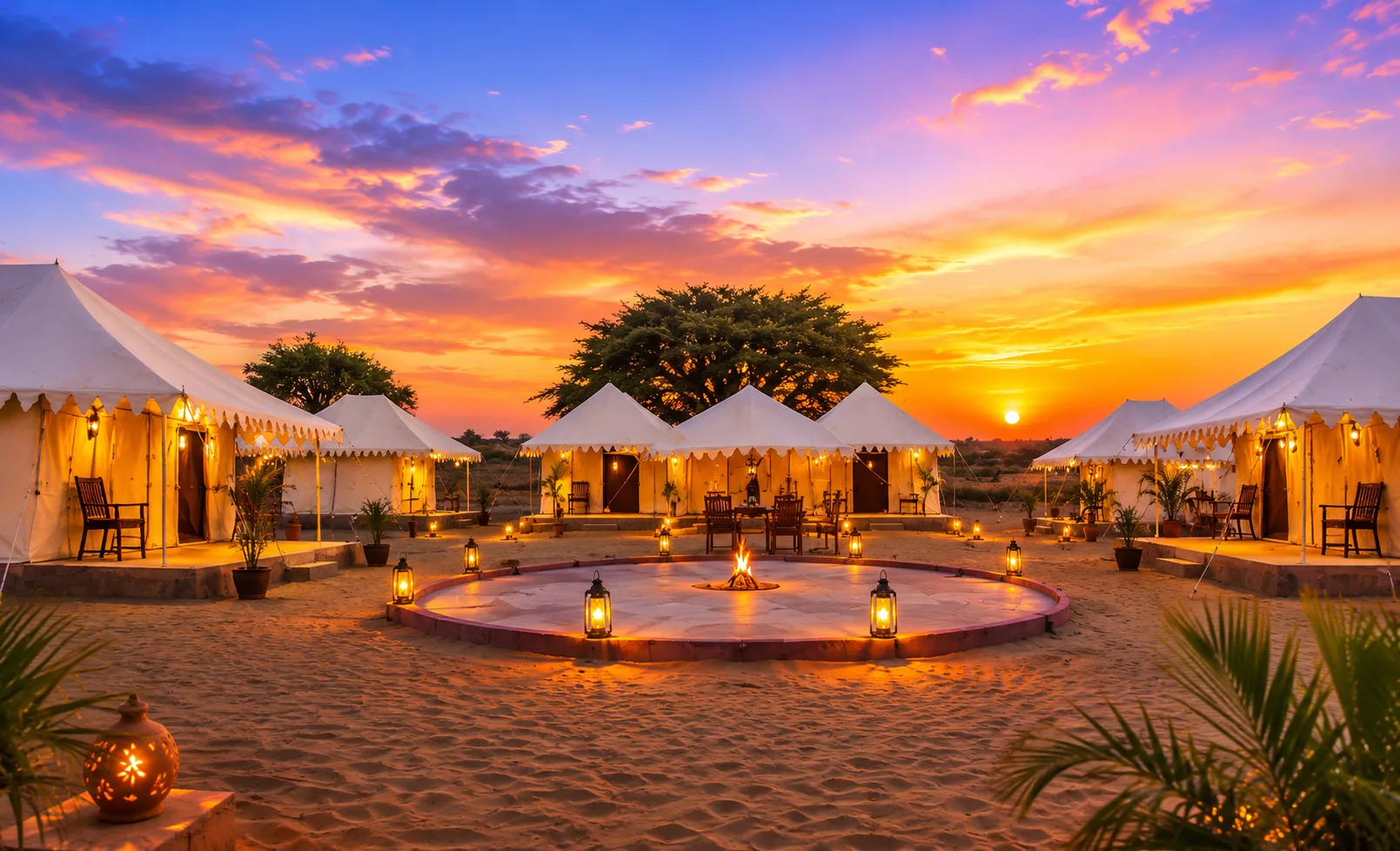
Travel in India has always been closely tied to its diversity—whether through landscapes, traditions, or architecture. Among the many ways to explore the country, rail journeys hold a special place. In recent years, a particular segment of rail travel has evolved to offer more than just transportation, focusing instead on experience, comfort, and cultural immersion.
The Shift from Transportation to Experience
Traditional train travel is primarily about reaching a destination. However, heritage rail journeys in India redefine this idea by making the journey itself a central part of the experience. These trains are designed to provide a structured travel environment where accommodation, dining, and guided tours are integrated.
This approach allows travelers to engage more deeply with the places they visit, without the need to manage logistics independently. Everything—from itineraries to local excursions—is pre-planned, offering a seamless experience.
One well-known example of this concept is the Palace on Wheels, which has contributed significantly to shaping luxury rail tourism in the country.
Inspiration from Royal Lifestyles
The design of heritage trains in India is heavily influenced by the lifestyles of former royal families. Before independence, many princely states maintained personal railway coaches that reflected their status and preferences. These coaches were known for their detailed craftsmanship and attention to comfort.
Modern heritage trains draw inspiration from these elements, incorporating traditional decor, handcrafted furnishings, and region-specific themes. Each coach often represents a particular cultural identity, creating a sense of place even while traveling.
Curated Routes and Cultural Highlights
A key aspect of these journeys is the selection of destinations. Routes are typically planned to include cities and regions that offer historical, architectural, or ecological significance.
Travelers may visit locations such as Jaipur, Udaipur, Jaisalmer, Jodhpur, Bharatpur, and Agra. These destinations are known for their forts, palaces, wildlife reserves, and cultural landmarks.
Guided tours are usually part of the itinerary, ensuring that visitors receive contextual information about each site. This structured approach enhances understanding and appreciation of the locations.
Life Onboard: Facilities and Environment
The onboard environment is designed to provide comfort while maintaining a connection to traditional aesthetics. Cabins are equipped with essential amenities, including climate control and private bathrooms, ensuring convenience during the journey.
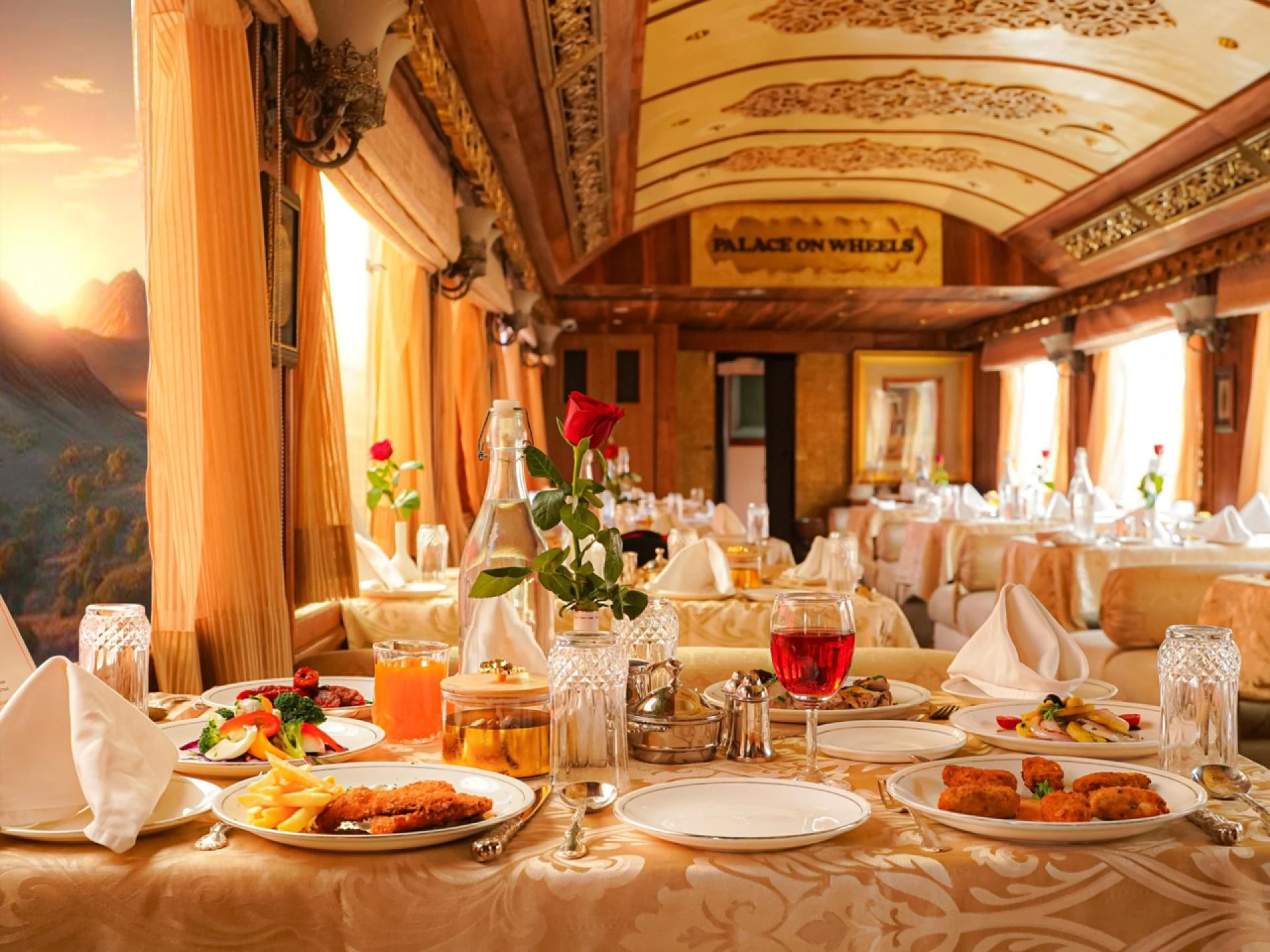
Common areas such as lounges and dining spaces are arranged to encourage relaxation and social interaction. These spaces often reflect classic design elements, creating an atmosphere that aligns with the overall theme of heritage travel.
The Palace on Wheels is often cited for maintaining a balance between traditional design and modern functionality in its onboard facilities.
Culinary Diversity and Regional Influence
Food plays an important role in shaping the overall travel experience. Menus typically feature a combination of regional Indian dishes and international cuisine, catering to varied preferences.
Meals are prepared with attention to authenticity, often incorporating local ingredients and traditional cooking methods. Dining spaces are designed to reflect elegance, contributing to a more immersive experience.
In some cases, culinary offerings may vary depending on the route, allowing travelers to sample dishes associated with specific regions.
Cultural Engagement Beyond Sightseeing
Heritage rail journeys often go beyond standard tourism by incorporating cultural activities into the experience. These may include traditional performances, visits to local markets, and interactions with artisans.
Such activities provide insight into everyday life and cultural practices, offering a deeper understanding of the regions visited. This approach transforms travel into a more engaging and educational experience.
Contribution to Regional Tourism
Luxury train services have played a role in promoting tourism in regions with strong cultural and historical significance. By connecting multiple destinations through a single itinerary, they make it easier for travelers to explore a broader area within a limited time.
The presence of organized tours and consistent service standards also attracts international visitors who may prefer structured travel experiences. The Palace on Wheels has been associated with increasing visibility for destinations across Rajasthan.
Adapting to Changing Travel Preferences
As traveler expectations evolve, heritage rail journeys are also adapting. There is increasing emphasis on:
- Digital connectivity and convenience
- Personalized travel experiences
- Health and safety standards
- Sustainable tourism practices
These changes reflect broader trends in the travel industry, where comfort and responsibility are becoming equally important.
Sustainability Considerations
Sustainability has become a key focus in modern tourism. Heritage trains are exploring ways to reduce environmental impact through better resource management and eco-friendly practices.
This includes measures such as efficient energy use, waste reduction, and responsible sourcing of materials. While maintaining traditional aesthetics, there is a growing effort to align operations with contemporary sustainability goals.
Global Context of Luxury Rail Travel
Luxury rail travel is not unique to India. Several countries offer similar experiences, each with its own cultural context. However, India’s approach stands out due to its integration of royal heritage and regional diversity.
The combination of historical themes, curated itineraries, and cultural engagement provides a distinct identity that differentiates Indian heritage trains from those in other parts of the world.
Conclusion
Heritage rail travel in India represents a unique blend of history, culture, and modern convenience. By transforming train journeys into immersive experiences, these services offer a different perspective on travel.
The Palace on Wheels continues to be an important part of this segment, influencing how luxury train tourism is perceived and developed. As the industry evolves, the focus on sustainability, innovation, and cultural authenticity will shape its future.