
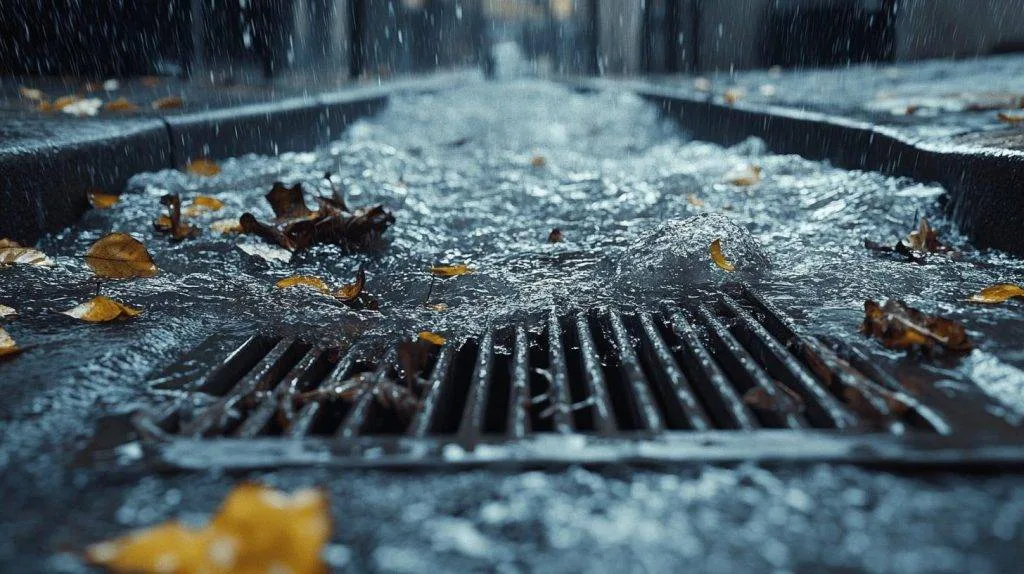
The UK is no stranger to wet weather, but in recent years, periods of intense and prolonged rainfall have become more frequent. While the immediate effects—flooded streets, waterlogged gardens, and travel disruption—are easy to spot, the hidden impact on drainage systems is often overlooked. Whether you’re a homeowner or a business owner, understanding how heavy rain affects drainage can help you prevent costly damage and maintain an efficient system.
Increased Pressure on Drainage Infrastructure
During heavy rainfall, drainage systems are pushed to their limits. Most systems are designed to handle a certain volume of water, but when rainfall exceeds that capacity, problems begin to surface. Surface water builds up quickly, and drains may struggle to cope with the sudden influx.
This excessive pressure can lead to:
- Overflowing drains and gullies
- Backflow of wastewater into properties
- Flooding in basements or low-lying areas
- Erosion around drainage pipes
In urban areas, where surfaces are often paved or concreted, water cannot naturally soak into the ground. This increases reliance on drainage systems, making them more vulnerable during storms.
Blockages Become More Severe
Heavy rain doesn’t just add water—it also carries debris. Leaves, dirt, litter, and other materials are washed into drains, increasing the risk of blockages. If your system is already partially obstructed, a downpour can quickly turn a minor issue into a major one.
For example, areas experiencing issues like blocked drains epsom often find that heavy rain worsens the situation by compacting debris and making it harder to remove. Over time, repeated exposure to such conditions can cause long-term damage to pipes.
Structural Damage to Pipes
Drainage systems are typically buried underground, which makes it difficult to detect damage early. However, heavy rainfall can weaken the soil surrounding pipes, leading to shifting or collapse. Older systems, in particular, are more vulnerable.
Waterlogged soil expands and contracts, putting pressure on pipes and joints. This can result in:
- Cracks in pipework
- Misaligned joints
- Tree root intrusion due to weakened structures
- Complete pipe collapse in extreme cases
If not addressed promptly, these issues can escalate into costly repairs and even require full system replacement.
Increased Risk of Flooding
One of the most serious consequences of heavy rainfall is flooding. When drainage systems fail to cope, water accumulates rapidly. This is especially problematic in areas with poor drainage design or maintenance.
Flooding can cause:
- Damage to property foundations
- Damp and mould growth inside buildings
- Electrical hazards
- Contamination from sewage overflow
Working with professionals such as drainage contractors reigate can help assess whether your system is equipped to handle extreme weather conditions and recommend necessary upgrades.
Impact on Sewage Systems
Combined sewer systems, which handle both rainwater and wastewater, are particularly vulnerable during heavy rainfall. When these systems become overloaded, they may discharge excess water into rivers or streets to prevent system failure. This not only poses environmental risks but can also lead to unpleasant odours and hygiene concerns.
Additionally, sewage backup into homes is a serious risk during storms, especially if there are pre-existing issues within the system.
Warning Signs to Watch For
It’s important to recognise early signs that your drainage system is struggling, especially during periods of heavy rain. These include:
- Slow-draining sinks or toilets
- Gurgling sounds in pipes
- Unpleasant odours from drains
- Water pooling around your property
- Frequent blockages after rainfall
Ignoring these signs can lead to more severe problems over time.
Preventative Measures
While you can’t control the weather, you can take steps to protect your drainage system from the effects of heavy rainfall. Regular maintenance and timely intervention are key.
Consider the following actions:
- Schedule routine drain inspections and cleaning
- Remove debris from gutters and external drains
- Install drain guards to catch leaves and rubbish
- Ensure proper grading around your property to direct water away
- Repair minor issues before they escalate
Engaging a professional service like a Drainage CompanySurbiton can provide expert guidance and ensure your system remains in optimal condition throughout the year.
The Importance of Professional Support
DIY solutions can help with minor issues, but heavy rainfall often exposes deeper problems that require professional attention. Experts use advanced tools such as CCTV drain surveys and high-pressure jetting to diagnose and resolve issues effectively.
Professional drainage specialists can:
- Identify hidden damage within the system
- Provide long-term solutions rather than temporary fixes
- Improve system efficiency and capacity
- Help prevent future flooding and blockages
Conclusion
Heavy rainfall in the UK is more than just an inconvenience—it poses a serious challenge to drainage systems. From increased pressure and blockages to structural damage and flooding, the effects can be widespread and costly if left unchecked.
By understanding how your drainage system responds to extreme weather and taking proactive steps to maintain it, you can reduce risks and protect your property. Regular inspections, timely repairs, and professional support are essential in ensuring your system remains resilient, no matter how heavy the rain falls.
Also Prefer our other Blog: