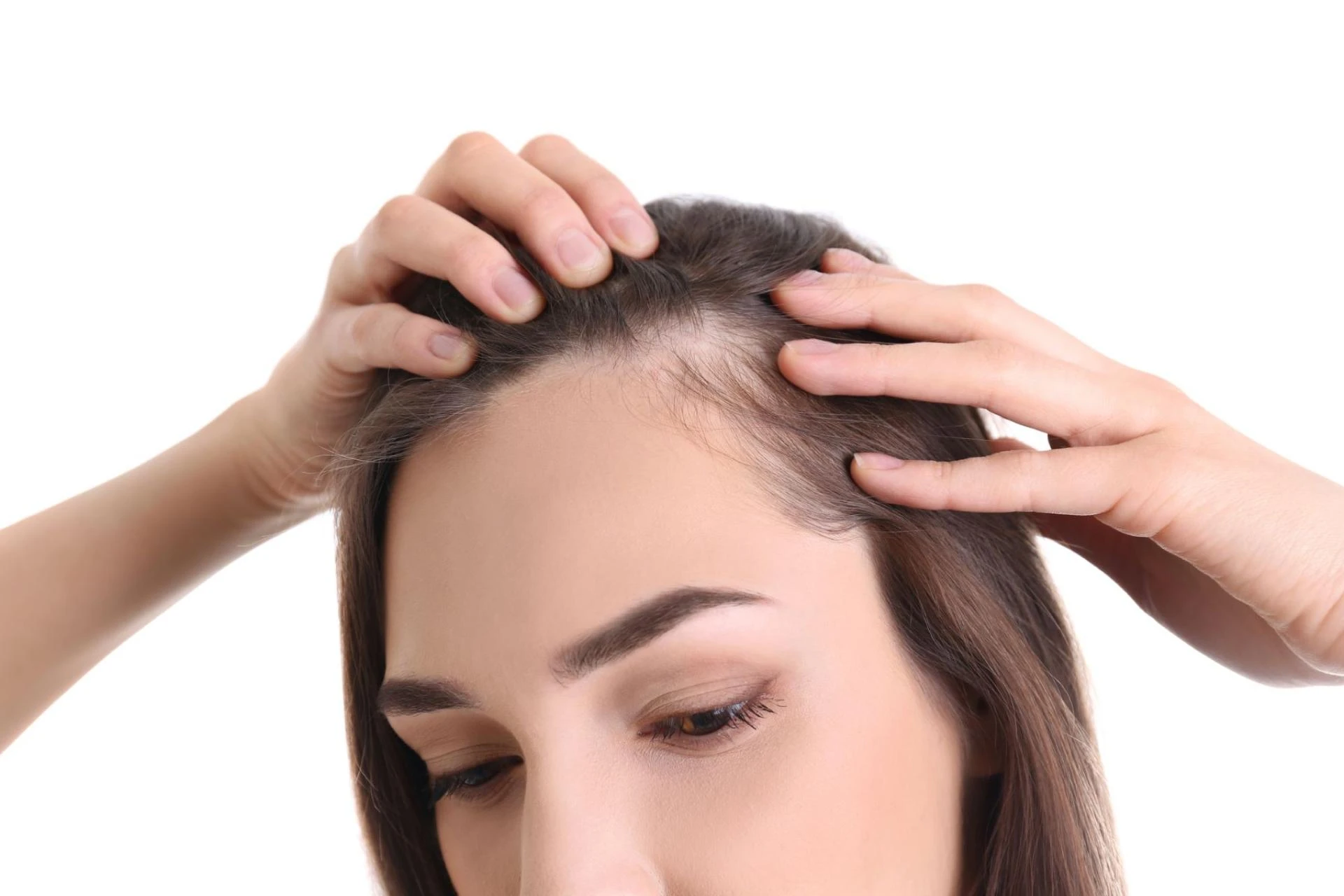
Hair loss can significantly impact an individual's confidence and overall quality of life. Fortunately, advancements in hair restoration technologies have made it possible to effectively combat hair thinning and baldness. In this comprehensive guide, we explore how Hair Loss Treatment in Abu Dhabi restores hair, the various techniques involved, and what you can expect from a successful hair restoration journey.
Understanding Hair Loss and Its Causes
The Biology of Hair Growth
Hair growth is a complex biological process that occurs in cycles, including growth (anagen), transitional (catagen), and resting (telogen) phases. Healthy hair growth depends on a delicate balance of hormones, genetics, and scalp health. Disruptions in these factors can lead to hair thinning or shedding.
Common Causes of Hair Loss
Various factors contribute to hair loss, including genetics (androgenetic alopecia), hormonal changes, nutritional deficiencies, stress, medical conditions, and certain medications. Understanding the root cause is essential for selecting the most effective treatment approach.
How Hair Loss Treatment Works to Restore Hair
Stimulating Hair Follicles
Effective hair loss treatments focus on stimulating dormant or weakened hair follicles to re-enter the growth phase. This involves increasing blood flow, delivering essential nutrients, and activating cellular processes critical for hair production.
Promoting New Hair Growth
Apart from stimulating existing follicles, treatments may encourage the regeneration of new hair strands by rejuvenating scalp tissue and improving follicular health. This dual approach enhances the overall density and thickness of hair.
Repairing Damaged Hair Follicles
In cases where follicles are damaged or miniaturized, specialized treatments work to repair and revitalize these structures, restoring their ability to produce healthy hair.
Techniques and Procedures for Hair Restoration
Medical Treatments and Topical Applications
Medications such as minoxidil and finasteride are widely used to slow hair loss and stimulate new growth. These topical and oral options are often combined with other procedures for optimal results.
Platelet-Rich Plasma (PRP) Therapy
PRP therapy involves extracting a patient's blood, processing it to concentrate platelets, and injecting it into the scalp. The growth factors in PRP promote healing, follicular regeneration, and new hair growth.
Hair Transplant Surgery
For more advanced hair loss, surgical options like follicular unit transplantation (FUT) or follicular unit extraction (FUE) are performed. These procedures involve transplanting healthy hair follicles from donor areas to bald or thinning regions, providing a permanent solution.
Laser Therapy
Low-level laser therapy (LLLT) uses specific wavelengths of light to stimulate hair follicles, improve cellular activity, and enhance blood circulation to the scalp, encouraging hair regrowth.
The Role of a Personalized Treatment Plan
Assessing Individual Needs
Every individual’s hair loss pattern and underlying causes are unique. A thorough consultation and scalp analysis help tailor a treatment plan suited to specific needs and goals.
Combining Multiple Approaches
Most effective hair restoration strategies involve combining several techniques, such as medication, PRP, and surgical procedures, for comprehensive results.
The Restoration Process: What to Expect
Initial Consultation and Diagnosis
The first step involves a detailed assessment by a hair specialist to determine the cause and severity of hair loss, setting realistic expectations for outcomes.
Treatment Phases
The restoration process typically spans several months, with treatments scheduled at regular intervals. Patience is essential, as visible improvements develop gradually.
Monitoring Progress
Regular follow-ups enable adjustments to the treatment plan, ensuring optimal follicular response and hair growth. Consistency and adherence to recommendations are crucial for success.
Benefits of Effective Hair Loss Treatment
Restored Hair Density and Thickness
Successful treatments lead to fuller, thicker hair, improving overall appearance and confidence.
Natural-Looking Results
Advances in techniques like FUE allow for virtually undetectable transplants, providing natural-looking hair growth.
Long-Term Solutions
Many procedures offer permanent results, especially surgical options, making hair loss management a sustainable solution.
Psychological and Social Benefits
Restoring hair can significantly boost self-esteem, reduce anxiety related to appearance, and improve social interactions.
Choosing the Right Clinic for Hair Restoration
Expertise and Experience
Selecting a clinic with experienced professionals ensures high-quality care and better outcomes. Enfield Royal Clinic Abu Dhabi is renowned for its expertise in hair restoration.
Advanced Technology and Techniques
State-of-the-art equipment and innovative procedures contribute to more effective and comfortable treatments.
Personalized Care and Support
A dedicated team provides personalized treatment plans, ongoing support, and post-treatment care to maximize results.
Enfield Royal Clinic Abu Dhabi: A Leading Name in Hair Restoration
Enfield Royal Clinic Abu Dhabi exemplifies excellence in hair loss treatment, offering a comprehensive range of services tailored to individual needs. Their professionals utilize the latest techniques, ensuring natural results and patient satisfaction. The clinic’s commitment to personalized care makes it a trusted choice for those seeking to restore their hair and confidence.
Frequently Asked Questions (FAQs)
1. How long does it take to see results from hair loss treatment?
Results vary depending on the treatment type and individual response. Typically, noticeable improvements can be seen within 3 to 6 months, with full results appearing after a year.
2. Is hair loss treatment suitable for all ages?
Most treatments are suitable for adults experiencing hair thinning or baldness. A thorough consultation will determine the most appropriate options based on age, health, and hair loss severity.
3. Can hair loss be fully reversed?
While many treatments provide significant restoration and thickening, complete reversal depends on the extent of hair loss and underlying causes. Early intervention offers the best chance for optimal results.
4. Are there any maintenance requirements after treatment?
Some treatments, like medication or PRP, may require ongoing sessions or topical applications to maintain results. Surgical procedures often offer permanent solutions but may need periodic follow-up.