New York City remains one of the world’s most electrifying cultural epicenters—where art, fashion, technology, and heritage collide in unexpected and inspiring ways. In this dynamic space, a fresh wave of creatives is drawing on digital innovations and historical references to reshape how we understand and consume art. One fascinating example of this convergence is the rise of Fractal Art, a genre now capturing attention in galleries, editorial spreads, and across Art and Fashion Magazine platforms alike.
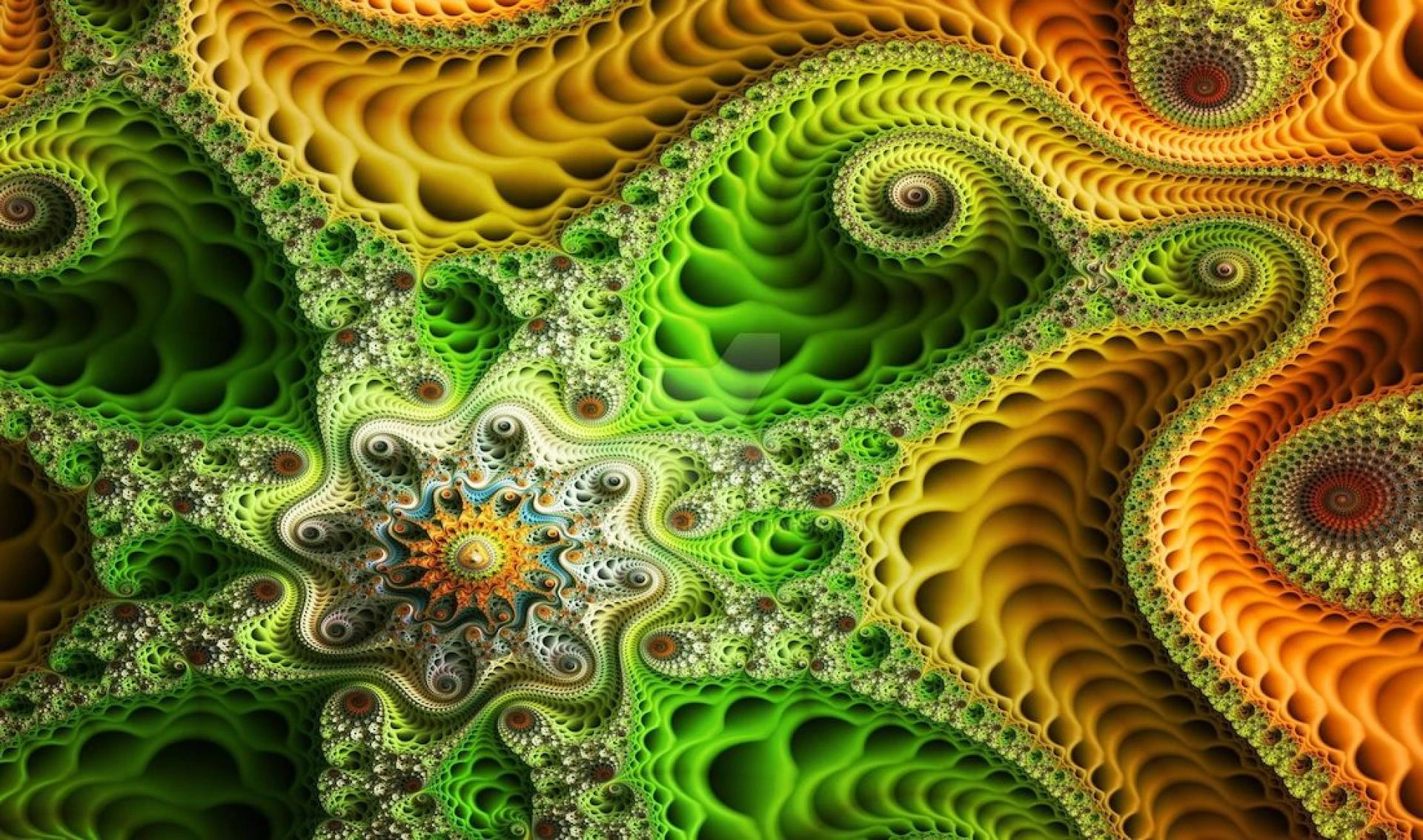
Fractal Art is more than just a visual experience—it’s a mathematical journey rendered in mesmerizing patterns, endless repetitions, and surreal landscapes. Derived from complex formulas, fractals have long fascinated scientists and mathematicians, but in recent years, artists have embraced them as a medium for digital expression. These artworks often resemble organic forms: spirals, branching trees, coral reefs—yet they emerge entirely from code.
What’s truly exciting is how Fractal Art has entered the broader conversation on culture and fashion. Its hypnotic forms now appear in avant-garde textile designs, runway shows, and editorial layouts, blurring the boundaries between digital abstraction and wearable expression.
Today’s top Art and Fashion Magazine publications are not only documenting this evolution—they’re driving it. Through curated editorials, interviews with generative artists, and immersive visual storytelling, magazines are elevating Fractal Art from niche curiosity to mainstream visual language.
Whether it’s a fashion spread inspired by Mandelbrot geometries or a collaboration between a digital artist and a couture designer, the integration of fractal design into fashion narratives is reshaping how style and tech interact. These publications are crucial in amplifying emerging voices while connecting readers with deeper questions about perception, beauty, and form.
New York’s cultural calendar is packed with events that explore intersections like these. From immersive art installations in Brooklyn to runway presentations in SoHo that incorporate generative visuals, NYC Culture Events are increasingly embracing experimental media. Pop-ups and gallery shows often spotlight artists working with fractals and algorithmic processes, giving audiences a chance to engage with this art form up close.
Festivals such as the NYC Design Week or Digital Art Fair NYC frequently feature talks and exhibitions centered on technology-driven aesthetics, while underground venues host live performances where fractal projections are synchronized with music and fashion. For those curious about how digital art is influencing culture today, these events are an essential destination.
In many ways, Fractal Art echoes the complexity of Cultural Artifacts—objects that hold deep symbolic and historical meaning. While ancient artifacts embody the craftsmanship and worldview of past societies, fractals offer a glimpse into the infinitely recursive logic of modern digital culture. Both serve as mirrors to their times.
Contemporary curators and artists are beginning to pair these elements deliberately—placing digital fractals beside ceremonial textiles, carved relics, or indigenous symbols to invite dialogue across time and mediums. This juxtaposition prompts new questions: Can a data-driven design carry cultural memory? How do we define an artifact in the digital age?
The growing fusion of Fractal Art, fashion, culture, and history reflects a broader movement: a desire to reinterpret heritage through technology, and to see the future through the lens of art. Whether featured in a leading Art and Fashion Magazine, showcased at NYC Culture Events, or explored alongside Cultural Artifacts in a museum or gallery, this new aesthetic language challenges us to look beyond the surface.
As artists and thinkers continue to explore these intersections, one thing is clear—fractal beauty is no longer confined to theory or screen. It's becoming part of the cultural fabric of our times.