Food waste continues to pose a serious challenge for businesses in the foodservice, hospitality, healthcare, education, and manufacturing sectors. With sustainability now a global priority and strict waste regulations emerging across many regions, managing organic waste efficiently has become essential—not just for compliance, but also for cost savings and operational efficiency.
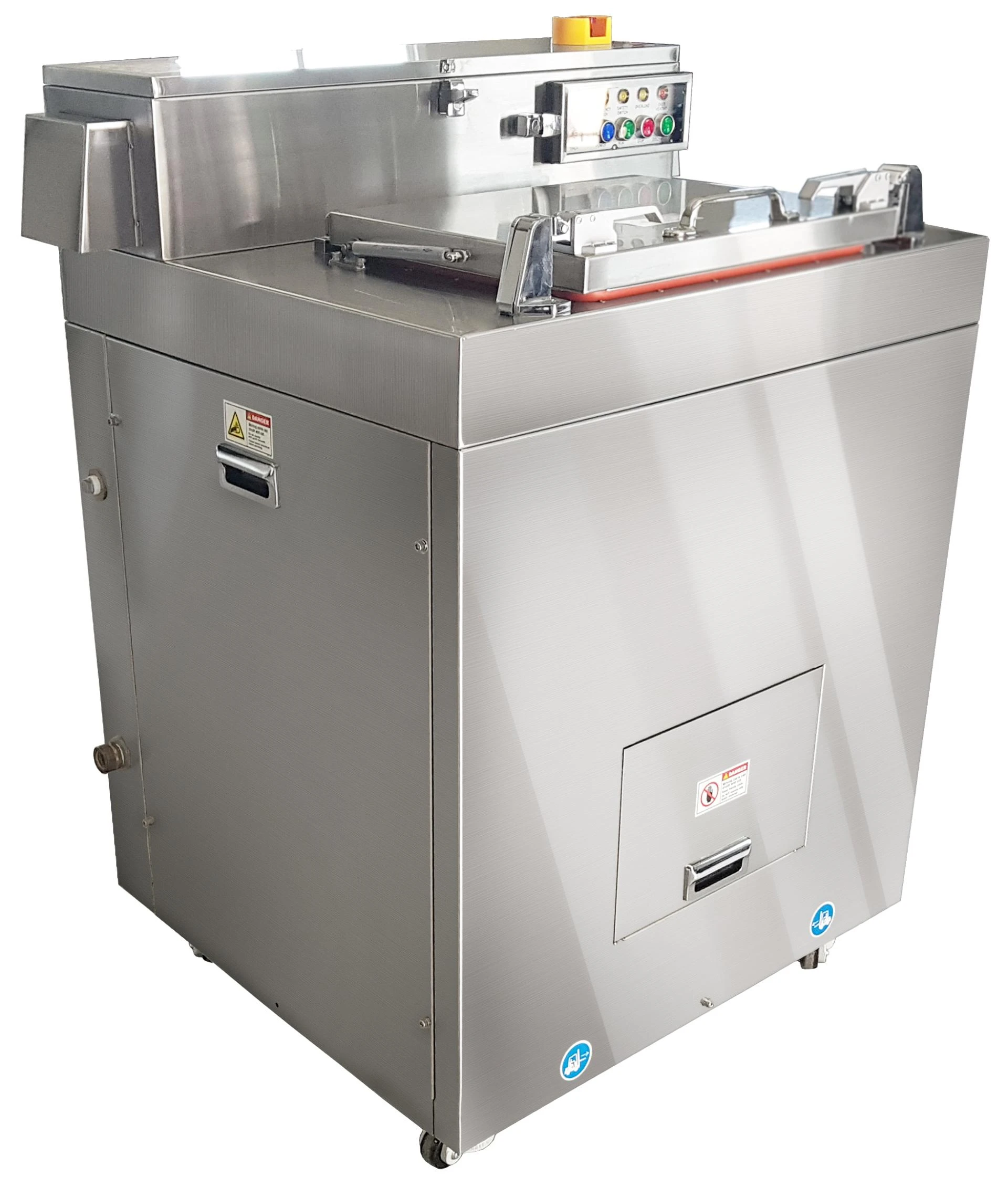
To meet this demand, many businesses are turning to commercial waste processing equipment like food waste shredders, food waste grinders, and industrial food grinder machines. These machines don’t just reduce the size of your waste—they help transform how your organization handles food scraps, packaging waste, and expired goods.
Let’s explore what these machines are, how they work, and why they’re becoming a standard feature in modern commercial kitchens and food processing environments.
What Is a Food Waste Shredder?
A food waste shredder is a machine designed to cut, slice, or rip apart organic material such as fruit and vegetable scraps, plate waste, small bones, and even biodegradable packaging. Shredders are often used as the first stage of waste processing, preparing the material for further treatment such as composting, dehydration, or digestion.
Shredding food waste has several key advantages:
- It significantly reduces the volume of waste, lowering collection and disposal costs.
- Shredded waste decomposes more quickly, which is ideal for composting.
- It improves hygiene and reduces odor, especially in enclosed waste storage areas.
- It allows for more efficient handling and transport of organic waste.
These machines are ideal for facilities that want to prepare organic waste for composting or further processing, while maintaining a clean and efficient waste workflow.
Understanding Food Waste Grinders
Food waste grinders are machines that reduce organic waste into a fine pulp or slurry. Unlike shredders, which slice or tear material, grinders use rotating blades or grinding disks to crush food waste into smaller particles. These machines are commonly found in commercial kitchens, hotels, restaurants, hospitals, and institutions where food waste is produced consistently.
The main benefits of using food waste grinders include:
- They make it easier to store and manage waste by reducing its volume and consistency.
- Ground food waste is easier to dewater or dehydrate, helping to reduce weight and moisture.
- Grinders prevent waste buildup in kitchens and dish areas, which improves hygiene and reduces pests.
- They streamline the disposal process, allowing staff to dispose of food waste quickly and efficiently.
Food waste grinders are typically part of a larger waste management system, often connected to a dehydrator or holding tank. This enables businesses to process their food waste on-site instead of relying on daily pickups or frequent hauling.
What Is an Industrial Food Grinder Machine?
An industrial food grinder machine is a heavy-duty, high-capacity system designed to handle large volumes of food waste continuously. These machines are commonly used in industrial kitchens, food processing plants, distribution centers, and manufacturing facilities where organic waste is generated in bulk.
Industrial food grinders are built for durability and performance. They can process a wide range of materials, including:
- Bulk food waste from production lines
- Expired or damaged food products
- Packaged food (after depackaging)
- Organic by-products such as pulp, peelings, or trimmings
What sets these machines apart is their ability to process food waste at scale, often with minimal supervision. Their robust design ensures long-term performance in demanding environments, and many models can integrate with conveyor systems, hoppers, or automated waste sorting lines.
For businesses dealing with high volumes of food waste, industrial grinder machines provide an efficient, low-labor solution that supports sustainability and waste diversion goals.
Key Differences Between Shredders, Grinders, and Industrial Grinder Machines
Although they are often discussed together, there are important differences between shredders, grinders, and industrial food grinders:
- A food waste shredder is ideal for initial breakdown of organic waste into coarse material, making it easier to compost or prepare for secondary treatment.
- A food waste grinder produces a finer pulp, which is useful for dewatering, dehydration, or digestion. It’s especially effective in commercial kitchens or centralized foodservice areas.
- An industrial food grinder machine is engineered for continuous, high-volume waste processing and is best suited to large operations or facilities with bulk waste streams.
In many facilities, a complete food waste management system may include two or more of these machines working together to optimize efficiency and outcomes.
Why Businesses Are Investing in Food Waste Processing Equipment
The growing demand for sustainable, efficient waste handling has pushed businesses to rethink how they manage organic waste. Investing in shredders, grinders, or industrial food grinder machines offers multiple benefits:
Reduced Volume and Weight
Processed food waste takes up far less space and weighs significantly less, which reduces storage needs and hauling frequency.
Lower Disposal Costs
With less volume and fewer pickups, businesses save money on waste collection services and landfill fees.
Improved Hygiene
Properly processed food waste emits fewer odors and is less likely to attract pests, leading to cleaner, safer work environments.
Environmental Sustainability
Processed waste can be composted, dehydrated, or digested on-site, helping businesses divert waste from landfill and meet sustainability goals.
Regulatory Compliance
More regions are introducing rules around food waste diversion and recycling. Having the right equipment makes compliance easier and future-proofs operations.
Applications Across Multiple Industries
Food waste shredders and grinders are used in a wide range of industries and facility types, including:
- Restaurants and commercial kitchens, where food prep and plate waste are produced daily.
- Hotels and resorts, where central waste stations can manage multiple food outlets.
- Hospitals and aged care facilities, where hygiene and efficiency are priorities.
- Food processing plants, where expired or unsellable goods need to be dealt with quickly.
- Universities and schools, where cafeterias produce food waste at scale.
- Supermarkets and distribution centers, where bulk organic waste is common.
By tailoring the equipment to the needs of each site, businesses can achieve efficient, compliant, and cost-effective food waste management.
Choosing the Right Food Waste Equipment
When evaluating equipment for your facility, consider:
- The amount and type of food waste you generate daily or weekly.
- Available space for installation.
- Whether you plan to integrate with composting, dehydration, or digestion systems.
- The frequency of waste pickups and your current disposal costs.
- Long-term sustainability goals and compliance requirements.
Working with a trusted provider can help you assess your needs, identify bottlenecks in your current waste process, and design a system that’s efficient, scalable, and cost-effective.
Final Thoughts
Food waste is a growing challenge, but with the right tools—such as a food waste shredder, food waste grinders, or an industrial food grinder machine—businesses can turn this challenge into an opportunity for cost savings, operational efficiency, and sustainability.
These machines are no longer optional in today’s commercial environments—they’re essential for staying competitive, compliant, and responsible. Whether you’re running a small kitchen or a large industrial facility, there’s a food waste solution that fits your operation.
To learn more about advanced food waste equipment and system design, visit Hungry Giant and explore how your business can benefit from modern food waste processing technology.