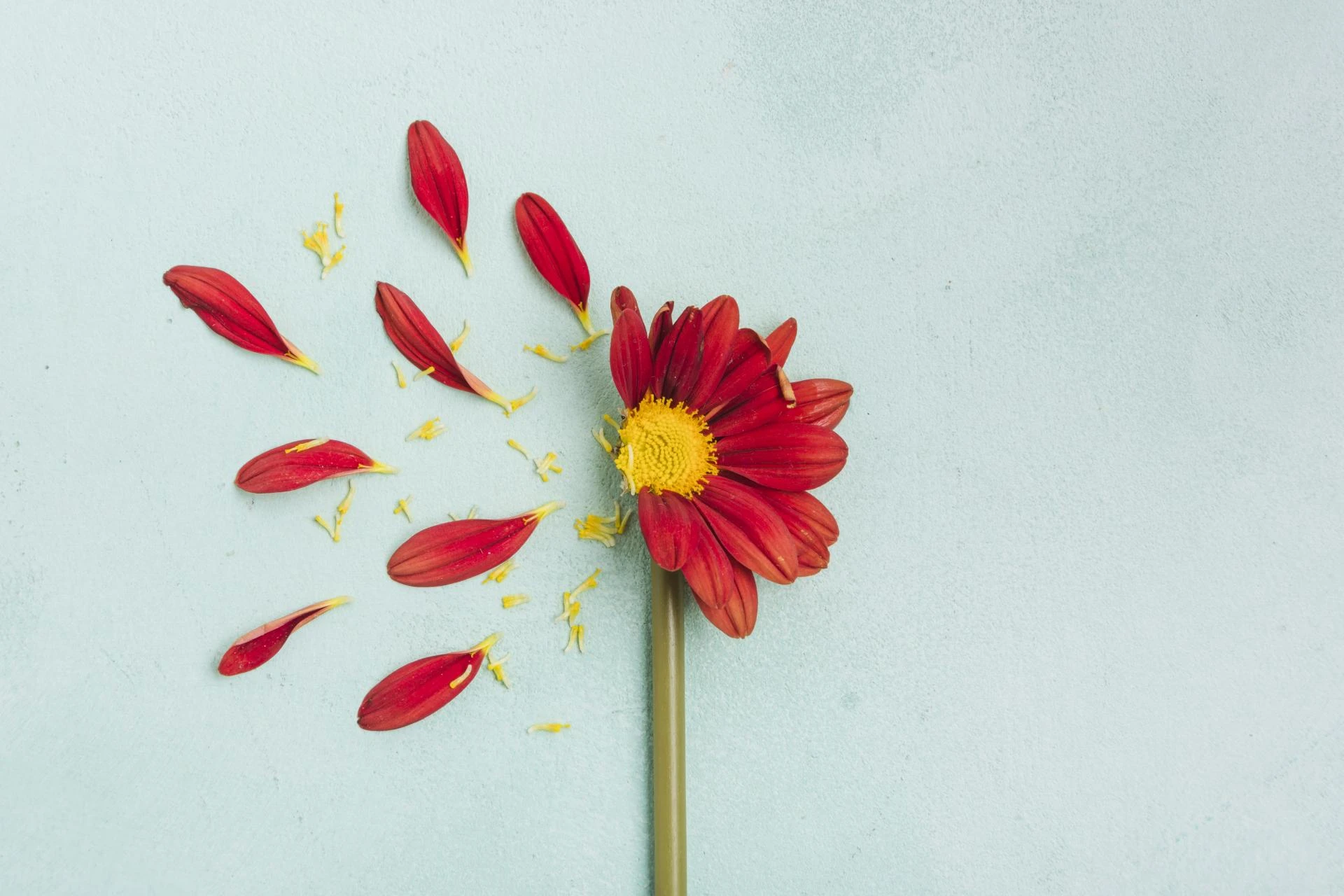
Long before chocolates, handwritten notes, or digital love messages, there were flowers.
Their colors spoke louder than words. Their scents carried silent promises. And in their delicate petals lay an ancient magic — the ability to heal hearts and souls alike.
But how did these humble blooms become the world’s most cherished symbols of love and healing?
The story, like many timeless ones, begins with the earth itself.
In ancient civilizations, people believed that everything growing from the soil carried a purpose. Some plants provided food, others medicine. Flowers, however, offered something intangible — a balm not just for the body, but for the spirit. Egyptians, Greeks, Chinese sages, and Ayurveda practitioners alike saw flowers as powerful messengers, each carrying emotions too complex for language alone.
One of the earliest recorded traditions came from Ancient Egypt, where blossoms like lotus flowers were woven into crowns and garlands, representing rebirth and eternal love. The Greeks later expanded on this idea, entwining myths with nature. To them, each flower told a story: a god’s heartbreak, a mortal’s sacrifice, or a spirit’s enduring devotion.
It wasn’t long before flowers traveled beyond temples and mythologies, finding their way into everyday lives tucked behind an ear, gifted across battlefields, placed gently beside a sleeping child.
Healing, too, found a floral path. Monks in medieval Europe carefully cultivated gardens filled with flowers known for their soothing properties. A small yellow flower, for instance, became famous for calming restless minds and easing troubled dreams. It was later brewed into what we know today as chamomile tea a simple, golden cup offering comfort through countless generations.
Around the same time, in different corners of the world, another bloom was making its quiet journey into healing lore. The vibrant blue petals of a certain flower were found steeped into brews not just for their stunning color, but for their believed benefits for memory, stress, and vitality. Over centuries, Blue Pea Flower Tea became a symbol in itself of clarity, creativity, and renewal.
Both flowers — one soft and sun-hued, the other vivid like twilight — became more than ingredients. They became quiet companions to human emotion. A cup of chamomile tea wasn’t just about relaxation; it was an act of self-love, of slowing down and tending to oneself. A glass of blue pea flower tea wasn't just refreshing; it was a reminder of transformation, of beauty blooming even in the midst of change.
As centuries rolled by, the symbolism of flowers only grew deeper. In Victorian times, lovers communicated through "floriography," the language of flowers. A simple bouquet could express longing, apology, admiration, or unwavering loyalty — all without a single word being spoken. A daisy meant innocence, a red rose declared passionate love, and forget-me-nots promised enduring memory.
Even today, when technology connects us in ways unimaginable to our ancestors, we still turn to flowers in our most vulnerable moments. Birthdays, funerals, weddings, homecomings — a simple bunch of blooms remains the purest, most universal expression of what words often fail to capture.
But perhaps what makes flowers eternal is not just their beauty or fragrance — it’s the way they hold space for both joy and sorrow. They decorate celebrations and stand silent at graves. They mark new beginnings and offer comfort at endings. They heal not by fixing, but by reminding us that growth, tenderness, and connection are possible even after hardship.
My own relationship with flowers deepened during a particularly hard winter a few years ago. Grieving, overwhelmed, and untethered, I found myself unable to find comfort in old routines.
One evening, on a whim, I bought a small bouquet from a local vendor — a mix of chamomile, wild daisies, and a few blue pea blooms tucked shyly among them. I placed them on my nightstand, not expecting much.
That night, I brewed a cup of chamomile tea. The gentle floral scent filled my room, wrapping me in a quiet hug. As I sipped slowly, I watched the blooms on my nightstand sway slightly in the heater’s breeze, stubbornly alive in a season of endings.
It wasn’t a grand, cinematic moment of healing. It was quieter than that — a slow, almost imperceptible rekindling of hope.
The next morning, I felt the tiniest flicker of energy. Enough to step outside. Enough to greet the day. And every day after that, I found small ways to nurture myself — a walk, a call to a friend, another cup of calming tea, another vase of stubborn winter blooms.
Love and healing, I realized, aren't always grand gestures. Sometimes, they are small, repetitive acts. A hand reaching out. A flower blooming despite the frost. A heart choosing to stay open, again and again.
Today, whenever life feels overwhelming, I return to the same rituals. A simple brew of blue pea flower tea when I need inspiration. A golden cup of chamomile tea when I crave rest. A fresh bloom on my table to remind me that even in quiet moments, there is magic.
Flowers became symbols of love and healing because they are resilient, beautiful, and fleeting, just like life itself.
And perhaps the greatest lesson they offer is this: No matter how harsh the season, no matter how heavy the heart, something beautiful can always grow.
All it needs is a little light.
And a little love.