
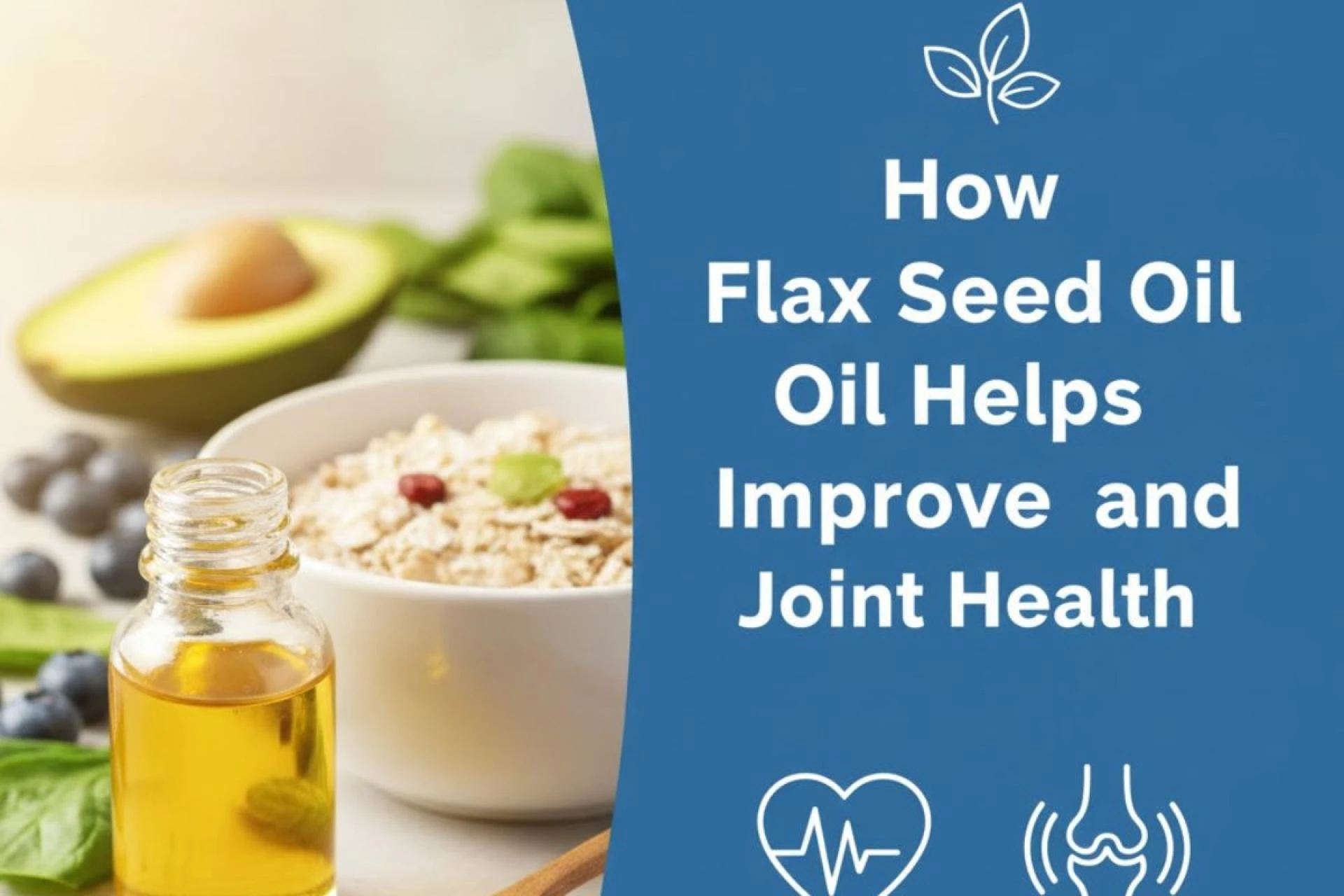
We’ve noticed something over the years. Real health shifts rarely arrive with fireworks. They come quietly. A small habit added. A choice repeated. That’s how flax seed oil enters daily life for many people. Not flashy. Just steady.
Some mornings, a spoon stirred into warm food. Some nights, a capsule after dinner. Little actions. They add up.
In the middle of many conversations about natural fats and plant oils, flax seed oil benefits keep popping up, almost casually, especially among families trying to eat cleaner without turning life upside down. We felt curious too. A bit skeptical at first. Then we looked closer.
What Makes Flax Seed Oil Different
Flax seed oil comes from cold-pressed flax seeds, known as alsi in many Indian kitchens. The oil carries a high amount of alpha-linolenic acid (ALA), a plant-based omega-3 fatty acid. That matters. A lot.
Unlike heavy cooking oils, flax seed oil stays light. Thin texture. Mild nutty smell. It doesn’t sit aggressively on the tongue. You notice it, but it doesn’t shout.
Omega-3s from plant sources have long been linked with smoother blood flow and calmer joint movement. We’ve seen older adults mention less stiffness during early morning walks. Not magic. Just consistency.
Heart Health: Quiet Support That Adds Up
The heart likes balance. Too much inflammation, thick blood, stressed arteries—things start going sideways.
ALA in flax seed oil plays a role in supporting healthier cholesterol patterns. People often talk about LDL and HDL numbers after weeks of steady intake. No drama. Just gradual shifts.
We’ve observed something interesting in Indian diets rich in fried snacks. Adding flax seed oil elsewhere—salads, curd bowls, steamed vegetables—feels like giving the heart a small cushion. A buffer.
Some cardiology-focused nutrition plans in India already mention flax seed oil as a supportive fat. Not as a cure. As food.
And food works slowly. That’s the point.
Joint Health and Daily Movement
Joints are personal. Anyone with knee stiffness knows that. The sound when standing up. The pause before climbing stairs.
Flax seed oil brings fatty acids that help reduce joint irritation linked to everyday wear. Many adults report smoother movement after consistent use over months. Weeks don’t always show much. Months do.
We’ve heard yoga practitioners talk about longer holds feeling easier. Walkers mention less tightness in ankles. These aren’t lab claims. They’re lived experiences. Worth paying attention to.
Why Cold-Pressed Matters
Not all flax seed oils feel the same. Cold-pressed oil keeps nutrients intact. Heat ruins delicate fats. Simple as that.
Look for dark bottles. Light damages omega-3s. Smell matters too. Fresh oil smells clean, faintly nutty. A bitter smell hints at oxidation.
Storage feels boring, yet it counts. Refrigeration helps. A lot.
Flax Seed Oil in Indian Homes
India already knows flax seeds. Chutneys. Laddoos. Powders mixed into rotis. Oil is just another form, easier for some people.
In cities like Delhi, Mumbai, Bengaluru, and Chennai, flax seed oil brands are now common in organic stores. Online deliveries too. Convenience changed habits.
We’ve seen households add it to breakfast bowls with fruits. Some drizzle it over dal after cooking. Heat ruins it, so no frying. Just finishing touches.
Small detail. Big difference.
Daily Intake: Keeping It Real
We don’t push extremes. One teaspoon a day works for many adults. Some go for capsules. That’s fine.
Listening to the body helps. Too much oil can upset digestion. Start slow. Stay observant.
And yes, consistency matters more than quantity. Miss a day? Life happens. Return the next day. No guilt.
Skin, Inflammation, and the Side Effects People Notice
Something unexpected often shows up. Skin feels calmer. Dry patches reduce. Nails grow stronger. These side notes matter because inflammation doesn’t limit itself to joints.
Flax seed oil’s fatty acid profile supports overall tissue health. People with desk jobs mention less neck stiffness. Coincidence? Maybe. Still interesting.
Choosing the Right Flax Seed Oil Brand in India
Labels tell stories. Look for:
- Cold-pressed mention
- Food-grade certification
- Dark glass packaging
- Fresh manufacture dates
Price varies. Higher doesn’t always mean better. Freshness does.
Local Indian brands sometimes outperform imported ones due to shorter storage time. That’s something we’ve seen repeatedly.
Who Should Be Careful
Pregnant individuals, those on blood-thinning medication, or people managing specific medical conditions should speak with a healthcare professional. Food still interacts with the body. Respect that.
Listening matters.
A Habit That Feels Sustainable
We like habits that don’t feel like punishment. Flax seed oil fits that category. No strict rules. No dramatic promises. Just quiet support for the heart and joints over time.
Some habits shout. This one whispers.
And whispers tend to stay longer.