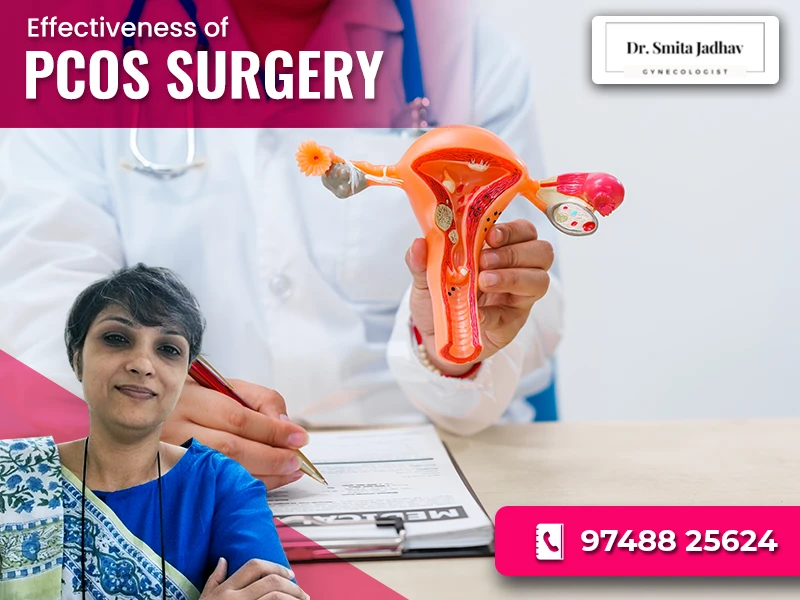
Polycystic Ovary Syndrome (PCOS) is a complex hormonal disorder that affects millions of women worldwide. It manifests through a combination of symptoms such as irregular periods, excessive hair growth, acne, weight gain, and infertility. While lifestyle changes and medications are the first line of treatment, surgery is sometimes recommended in cases where conventional approaches fail. But how effective is PCOS surgery really?
Let’s explore the surgical options available, their effectiveness, and when you should consider surgery under the guidance of a qualified PCOS doctor in Salt Lake.
Understanding PCOS: Why Conventional Treatment May Not Always Be Enough
PCOS stems from an imbalance in reproductive hormones, causing the ovaries to develop numerous small cysts. Common treatments involve lifestyle modifications (diet and exercise), birth control pills, insulin-sensitizing agents like metformin, and fertility medications like clomiphene citrate. However, for some women, these strategies might not yield desired outcomes—especially when ovulation fails to resume or other complications like insulin resistance or endometrial thickening persist.
This is where surgical intervention may become necessary.
What Is PCOS Surgery?
The most commonly performed surgery for PCOS is laparoscopic ovarian drilling (LOD). This minimally invasive procedure involves making small incisions in the abdomen and using laser or electrocautery to puncture the thickened ovarian surface. This helps to normalize hormone levels and induce ovulation.
Other surgical options include:
- Ovarian wedge resection (now rarely used)
- Endometrial ablation or hysteroscopy (in specific cases involving endometrial hyperplasia)
- Bariatric surgery, in extreme cases of obesity-related PCOS
How Effective Is PCOS Surgery?
Studies have shown that laparoscopic ovarian drilling can be effective for women who are resistant to fertility drugs. Here’s what the evidence suggests:
- Improved Ovulation: About 70–80% of women resume ovulation post-surgery.
- Increased Pregnancy Rates: Many women successfully conceive within 6–12 months after the procedure.
- Lower Risk of Ovarian Hyperstimulation Syndrome (OHSS): Compared to fertility medications, LOD reduces the risk of OHSS.
- Better Hormonal Balance: Decrease in testosterone levels, improvement in acne and hirsutism.
However, like any medical intervention, results can vary depending on age, BMI, hormonal profile, and other health conditions.
When Should You Consider PCOS Surgery?
Surgery is not the first-line treatment for PCOS. It is usually recommended in the following scenarios:
- You have not responded to at least 6–12 months of medical therapy.
- You have failed multiple cycles of ovulation induction.
- You are dealing with insulin resistance or thickened endometrial lining.
- You're planning for pregnancy and want to enhance natural ovulation.
If you're struggling with infertility or uncontrolled PCOS symptoms despite treatment, it's time to consult a specialist. Dr Smita Jadhav, a trusted PCOS doctor in Salt Lake, can help you determine if surgery is the right path for you.
Risks and Considerations
While PCOS surgery is generally safe, it's essential to weigh the risks:
- Potential for ovarian damage if excessive drilling is done
- Possibility of adhesions (scar tissue)
- Reduced ovarian reserve in rare cases
That’s why choosing an experienced gynecologist or reproductive endocrinologist in Salt Lake, Kolkata, is crucial.
Conclusion:
PCOS is a chronic condition that requires personalized care. Surgery can be a highly effective tool for women who have exhausted other options, particularly when fertility is a concern. But it's essential to view it as part of a broader, multidisciplinary treatment approach.
Looking for expert guidance and personalized PCOS care?
Book a consultation with Dr Smita Jadhav, a renowned PCOS doctor in Salt Lake, to explore safe, effective, and science-backed solutions for your reproductive health.