
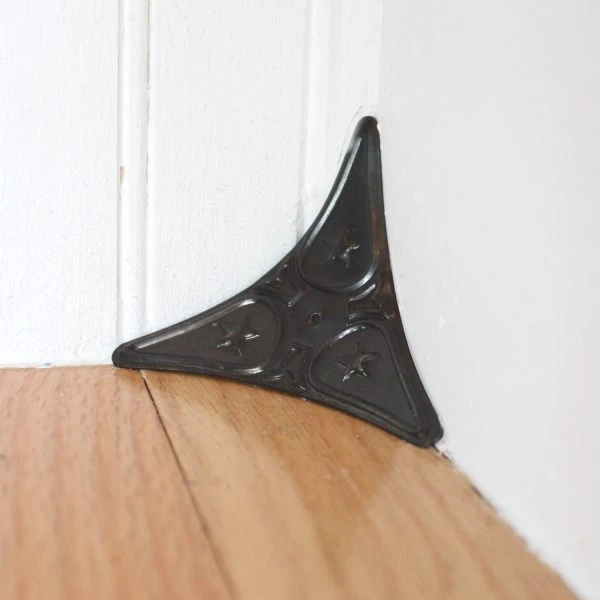
Maintaining a clean and well-kept staircase can sometimes be more challenging than expected. Staircases naturally collect dust, debris, and small particles, especially along the tight inner edges where the tread meets the riser and side board. These corners are difficult to clean with a broom or vacuum, allowing dust to accumulate over time. This is where dust corners become a practical and elegant solution. Designed to cover the sharp inner angles of stair steps, they help prevent dirt from settling in hard-to-reach spaces while also adding a subtle decorative element to the staircase.
Why Staircase Corners Are Hard to Clean
Staircases are high-traffic areas in any home or building. Every step taken can carry small amounts of dirt, dust, and debris onto the stairs. Over time, these particles naturally settle into corners where cleaning tools struggle to reach.
Traditional stair designs leave a tight 90-degree angle where the step meets the side panel. These angles act like small traps for dust. Even regular cleaning routines may fail to remove all the buildup, which can gradually affect both hygiene and the overall appearance of the staircase.
In addition, dust accumulation in corners may attract allergens or contribute to dull-looking stair edges. Without addressing the structure of the corner itself, the problem tends to repeat no matter how often the area is cleaned.
What Dust Corners Are and How They Work
Dust corners are small triangular metal pieces that are installed where the stair tread and riser meet the side board. Instead of leaving a sharp corner, these pieces create a smooth, curved surface that prevents dust from collecting in the tight angle.
By covering the interior corner, they remove the small pocket where dirt typically settles. This simple adjustment changes the way debris moves during cleaning. When sweeping or vacuuming the staircase, particles glide across the surface rather than becoming trapped.
Many designs also serve a decorative purpose. Traditionally made from brass or bronze finishes, these small hardware elements can complement classic staircases, especially those made of wood. While their size is modest, their contribution to staircase maintenance and appearance can be surprisingly significant.
The Cleaning Advantages They Provide
Homeowners and maintenance professionals often notice immediate improvements once these accessories are installed. The change in corner design simplifies routine cleaning tasks and reduces the time required to maintain stairs.
Key cleaning benefits include:
- Eliminating tight angles where dust and debris collect
- Allowing brooms and cloths to sweep smoothly across stair edges
- Reducing repeated buildup in difficult areas
- Helping maintain a cleaner appearance between cleaning sessions
Because the corners are no longer recessed, cleaning tools can reach every visible surface more effectively. In the middle of routine maintenance, dust corners act as a structural aid that supports better hygiene rather than simply relying on frequent cleaning.
Long-Term Maintenance Benefits for Staircases
Beyond improving cleaning efficiency, these small additions can also contribute to the long-term care of staircases. Dust and debris trapped in tight corners may gradually wear down finishes or create discoloration along stair edges. By preventing accumulation in these areas, the staircase surface remains better preserved.
Another benefit is the protection of delicate woodwork. Corners that are frequently scrubbed during cleaning may experience gradual wear. When a protective metal piece covers the corner, it reduces friction on the original stair materials.
For homeowners restoring older properties, these decorative elements are also historically appropriate. Many traditional homes included them as both functional hardware and ornamental detail. Installing them today helps maintain the character of vintage staircases while improving practicality.
A Small Detail That Enhances Interior Design
While their functional benefits are often the primary reason for installation, these pieces also contribute to the visual appeal of staircases. Decorative metal finishes can complement wooden treads, banisters, and other architectural features.
Design styles vary widely, ranging from simple polished metal shapes to intricate patterns inspired by historic craftsmanship. When chosen carefully, they blend seamlessly into the staircase structure and appear as a natural part of the design.
Interior designers often emphasize that the most memorable spaces are defined by thoughtful details. Hardware accents, even small ones, can subtly elevate the look of a staircase without requiring major renovations.
Making Staircase Cleaning Easier with the Right Hardware!
Staircases require consistent maintenance because of their heavy use and central position in the home. Small design improvements can make routine care far more efficient while preserving the beauty of the space.
By eliminating tight interior angles, dust corners simplify cleaning, reduce dust buildup, and add a decorative touch that enhances traditional staircase design. For homeowners, renovators, and restoration enthusiasts looking to improve both functionality and appearance, incorporating dust corners is a simple yet effective step toward easier staircase maintenance.