
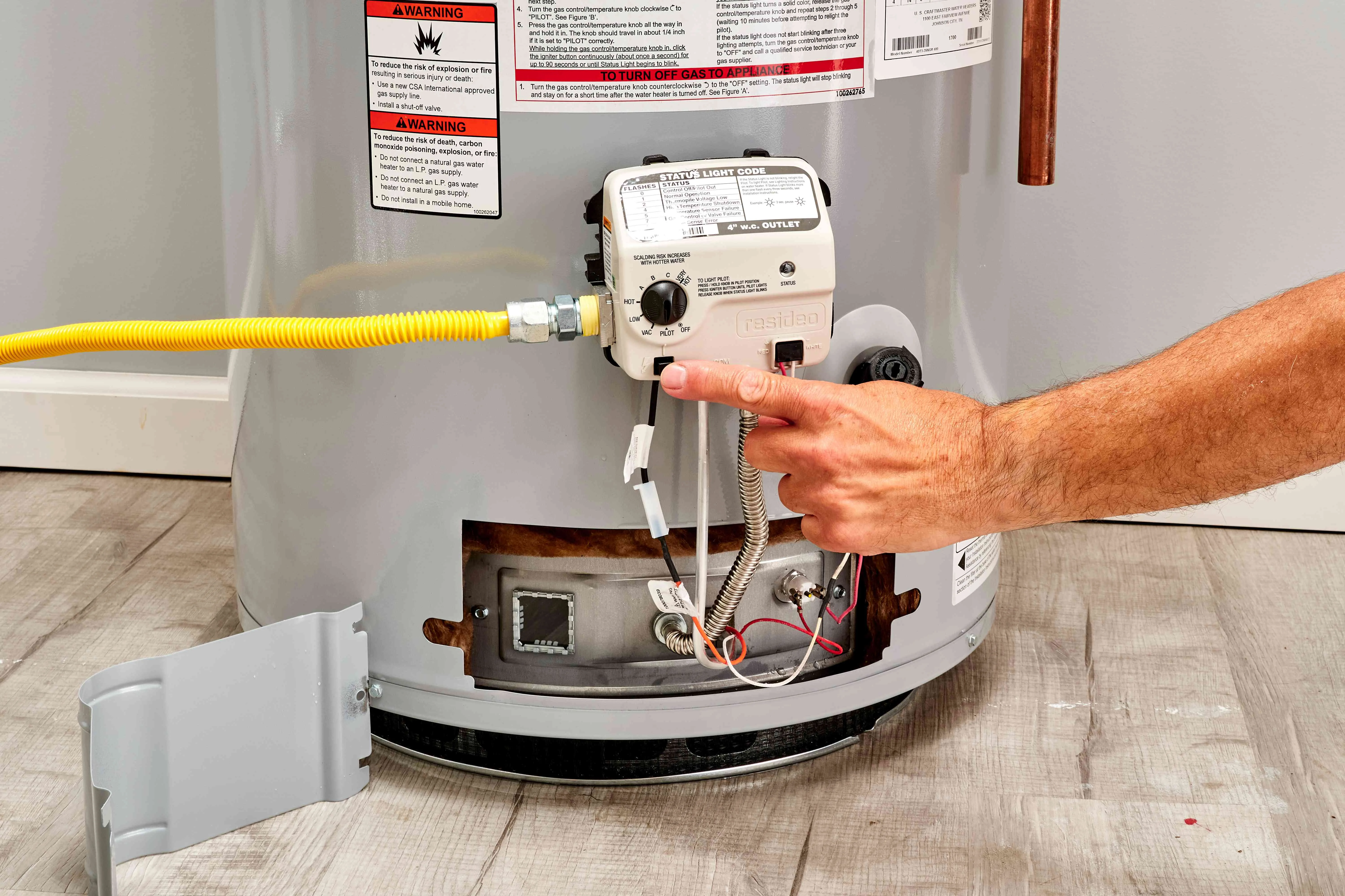
From showers to dishwashing, every task feels easy with steady hot water. Still, heaters can lose power over time. Dirt and minerals build up at the bottom of the tank and block heat flow. This hidden layer slows things down and wastes energy. Homeowners dealing with Water temperature problems in Hudson Valley may notice slow heating or uneven water. Fixing sediment buildup can bring back strong, fast performance and cut energy waste.
What Is Sediment and Why It Build Up
Water carries small bits of minerals like calcium and sand. When water heats up, these bits sink and settle inside the tank. Over time, a thick layer forms. This layer acts like a wall between the burner and the water.
As a result, the heater must work harder. It burns more fuel or uses more power to heat water. This strain leads to higher bills and weaker output. People facing Water heater sediment removal issues see these signs early.
Key Ways Sediment Affects Heating Efficiency
- Blocks heat transfer
Sediment sits at the bottom and stops heat from reaching water fast. The heater runs longer, which wastes energy and slows performance. - Raises energy bills
Extra work means more fuel or electricity use. Bills go up even if water use stays the same. - Causes strange noises
Popping or rumbling sounds come from trapped water under sediment. This noise signals poor heat flow and stress inside the tank. - Shortens heater life
Constant strain wears out parts. Tanks may crack or fail sooner than expected. - Leads to uneven heating
Some water feels too hot, while some stays cold. This creates daily discomfort and links to Water temperature problems in Hudson Valley.
How Sediment Removal Improves Efficiency?
Cleaning out the tank clears the barrier between heat and water. Once sediment goes away, heat flows fast and smooth again.
First, the heater warms water in less time. This means shorter cycles and less energy use. Next, water reaches the right temperature without delay. No more waiting around for hot water to kick in.
Also, the system runs in a stable way. Parts stay cool and safe. This lowers wear and tear and helps the unit last longer. Households who hire professional Water heater sediment removal in Hudson Valley gain both comfort and savings after a proper flush.
Signs Your Heater Needs Sediment Removal
Watch for these common clues:
- Water takes too long to heat
- Hot water runs out fast
- Sounds like banging or popping
- Water looks cloudy or rusty
- Energy bills rise without reason
Each sign points to a buildup inside the tank. Ignoring them can make Water temperature problems worse over time.
Simple Maintenance Tips to Prevent Sediment
Regular care keeps the heater in good shape and avoids heavy buildup.
- Flush the tank once a year
Draining water clears out loose sediment before it forms a thick layer. - Use a water softener
Hard water brings more minerals. A softener cuts down sediment buildup. - Check the anode rod
This rod protects the tank from rust. Replacing it helps extend the unit’s life. - Set the right temperature
Keep the heater at a safe level. High heat speeds up mineral settling. - Call a professional when needed
Experts handle deep cleaning and fix hidden issues tied to Water heater sediment removal in Hudson Valley.
Why Timely Cleaning Matters?
Delay in cleaning can lead to bigger problems. Sediment can trap heat and damage the tank lining. Once damage spreads, repairs cost more. In some cases, a full replacement becomes the only option.
Regular removal keeps the system running like new. It also ensures safe operation. Clean tanks reduce the risk of overheating or pressure issues. Homeowners dealing with Water temperature problems in Hudson Valley benefit from early action.
Final Thought
Sediment may seem small, but its impact runs deep. It slows heating, raises costs, and wears down your system. A simple cleaning routine brings back strong performance and steady hot water. With proper care and timely flushing, your heater stays efficient, reliable, and ready for daily use.