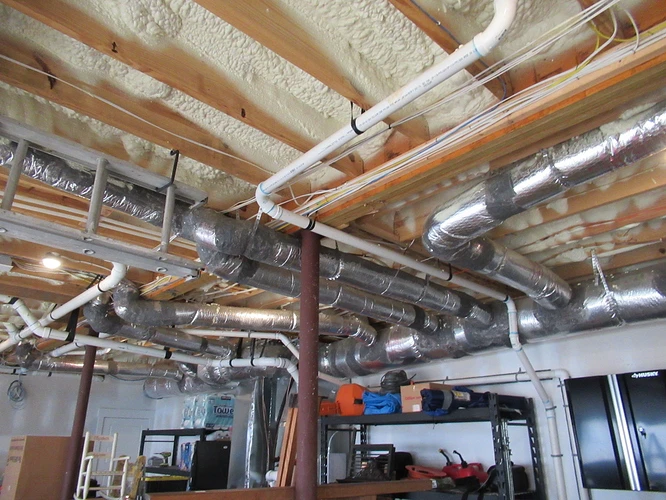
Spray foam insulation protects pipes from freezing by creating a superior thermal barrier and, more importantly, an airtight seal that prevents cold air from coming into contact with the pipe's surface. When professionally applied, the foam expands to fill every crack and gap around the plumbing, effectively stopping the drafts that are the primary cause of frozen pipes. This combination of high insulation value (R-value) and complete air sealing makes it one of the most effective and permanent solutions for protecting vulnerable plumbing in walls, crawl spaces, and attics.
A burst pipe from freezing is one of the most destructive and expensive problems a homeowner can face in the winter. This article will explain how spray foam provides such effective protection, comparing it to other methods and outlining the best strategies for its use. The information here is based on building science principles and the practical experience of Spray foam insulation experts who have seen what works and what doesn't in the coldest conditions.
Why Pipes Freeze and Burst
Pipes don't freeze just because it's cold outside. They freeze because they are exposed to temperatures at or below 32°F for a prolonged period, often due to a combination of poor insulation and air leakage. The pipes most at risk are those located in unconditioned spaces like basements, crawl spaces, attics, or along the inside of exterior walls where they are not adequately protected from the outdoor air.
The real damage occurs when the water inside the pipe freezes and expands. As ice forms, it creates immense pressure inside the pipe. This pressure builds between the ice blockage and the closed faucet, eventually exceeding the strength of the pipe, causing it to split or burst. A single burst pipe can release hundreds of gallons of water per hour, leading to catastrophic water damage. Industry data shows that water damage from burst pipes is one of the most common homeowners insurance claims, with the average claim costing over $10,000.
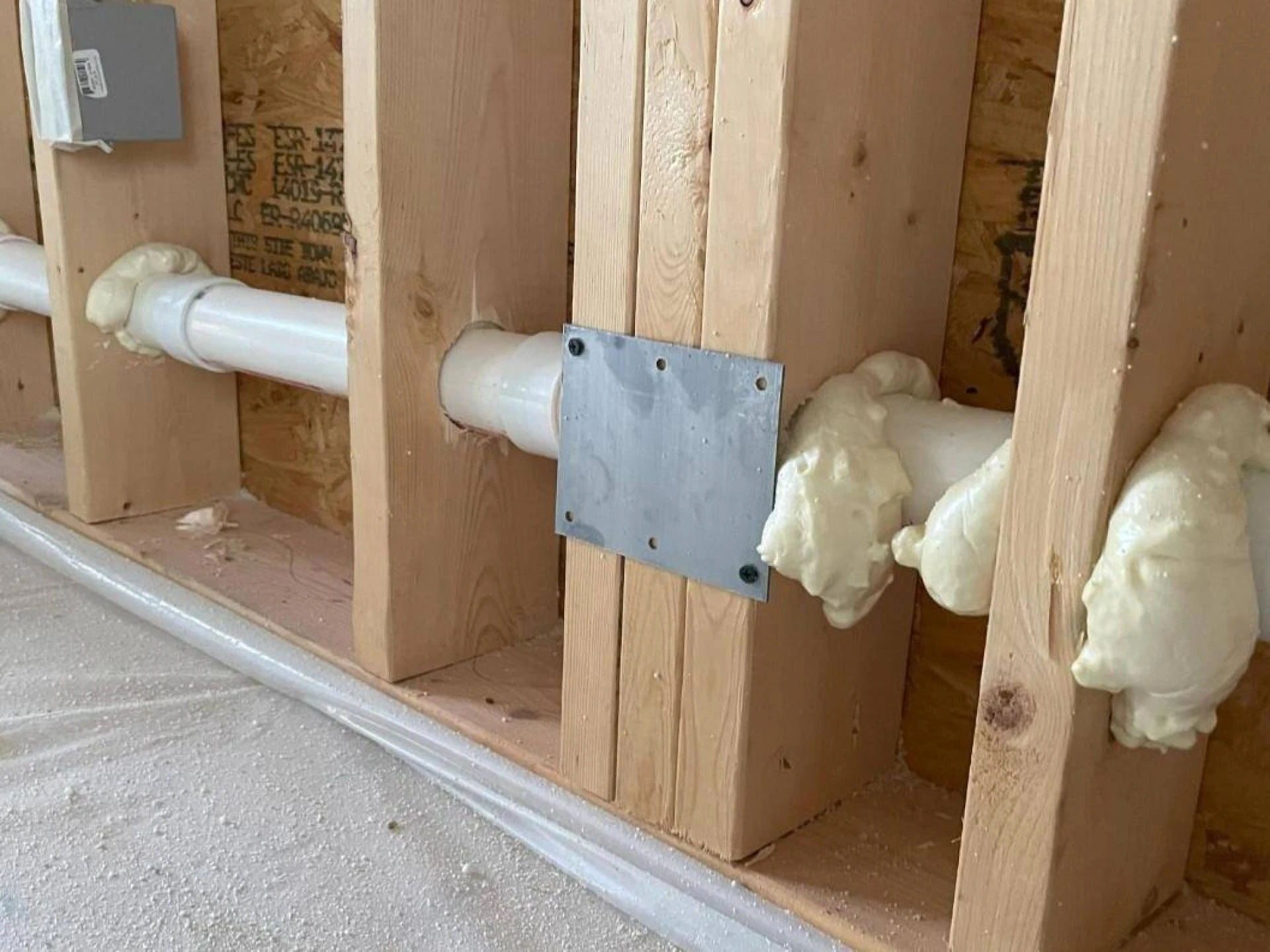
The Two-Fold Defense of Spray Foam
Spray foam insulation offers a dual-action approach that makes it uniquely suited for pipe protection. It addresses both of the root causes of freezing: heat loss and cold air infiltration.
1. Exceptional Thermal Resistance
All insulation is rated by its R-value, which measures its ability to resist the flow of heat. Spray foam, particularly the closed-cell variety, has one of the highest R-values per inch of any commercially available insulation. This high thermal resistance means it is extremely effective at slowing down the rate at which heat escapes from the water inside the pipe into the cold surrounding air. By keeping the pipe's surface temperature well above freezing, it provides the first line of defense.
2. An Impenetrable Air Barrier
This is what truly sets spray foam apart. Unlike traditional insulation like fiberglass batts, which can leave gaps and are permeable to air, spray foam creates a solid, monolithic seal. When applied, it expands and adheres directly to the pipes, studs, and sheathing, leaving no cracks or seams for cold air to penetrate. By stopping the frigid drafts from blowing across the pipe's surface, it eliminates the "wind chill" effect that rapidly pulls heat away and accelerates the freezing process. This air-sealing quality is arguably more important than the R-value alone when it comes to preventing frozen pipes.
A Comparison of Pipe Protection Methods
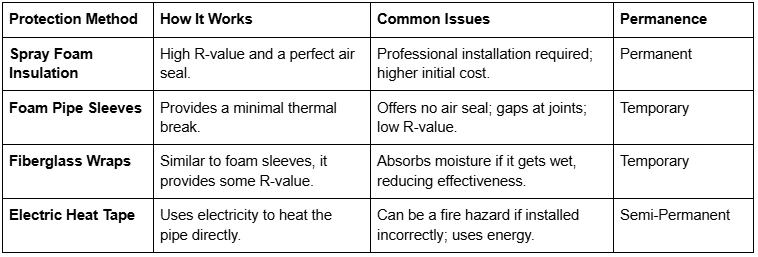
Homeowners have several options for trying to protect their pipes. A side-by-side comparison shows the differences in their effectiveness and permanence.
Key Areas for Application
To be most effective, spray foam should be applied strategically to the areas where pipes are most vulnerable.
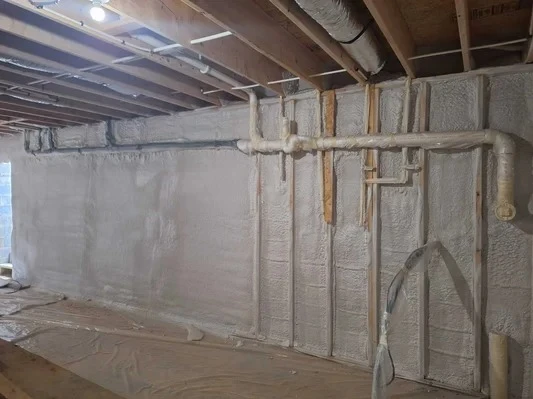
- Crawl Spaces: This is one of the most common areas for burst pipes. The best solution is often to encapsulate the entire crawl space by applying closed-cell spray foam to the foundation walls and rim joists. This brings the crawl space, and all the plumbing within it, inside the home's conditioned thermal envelope.
- Basements: In unfinished basements, applying foam to the rim joists (the wooden structure that sits on top of the foundation) is critical. This area is a major source of cold air infiltration.
- Cantilevered Floors: The floor of a bay window or an overhanging second story is a classic cold spot. Pipes for kitchens or bathrooms are often run through these uninsulated cavities, making them extremely susceptible to freezing.
- Attics: In homes with plumbing or HVAC lines running through the attic, insulating the underside of the roof deck with spray foam can create a conditioned attic, protecting pipes from extreme winter cold and summer heat.
Bonus Tip: When insulating pipes in an exterior wall, the best strategy is often to apply spray foam to the back of the wall cavity. This insulates the pipe from the outside cold while leaving it exposed to the warmth from the interior of the home, further protecting it.
Bonus Tip: Before winter, disconnect all garden hoses from outdoor spigots. Even "frost-free" spigots can freeze and cause a pipe to burst inside the wall if a hose is left connected.
Things to Consider Before Making a Decision
Before you decide to use spray foam, it’s important to think through the process and your home's specific needs.
First, identify which pipes are actually at risk. Walk through your basement, crawl space, and garage. Look for any plumbing that runs along an exterior wall or is in an unheated area. If you've had pipes freeze in the past, those are obviously top priority.
Next, understand the difference between the two types of spray foam. Closed-cell foam is denser, has a higher R-value, and acts as a vapor barrier, making it the ideal choice for damp areas like crawl spaces. Open-cell foam is lighter, less expensive, and a great air sealer, but it is not waterproof. A professional can recommend the right product for each application.
Finally, recognize that installing spray foam is not a simple do-it-yourself project. It involves mixing chemicals on-site and requires special equipment and safety gear. The quality of the installation directly determines its performance. Always hire a qualified, insured, and experienced contractor for the job.
Questions About Insulating Pipes
Can you just spray foam directly onto the pipes themselves?
Yes, and this is often done for individual pipes. However, for maximum protection, it is usually more effective to insulate the entire wall cavity or encapsulate the whole crawl space to control the environment around the pipes.
What happens if a pipe leaks inside the foam?
Closed-cell spray foam is waterproof and will not absorb moisture. If a small leak occurs, the rigid foam can actually help contain the water in the immediate area, often making the leak easier to find and preventing widespread water damage to surrounding wood and drywall.
Does spray foam prevent pipes from "sweating" in the summer?
Yes. Pipe sweating, or condensation, happens when warm, humid air comes into contact with a cold pipe. Because spray foam creates an airtight seal, it prevents the humid air from reaching the pipe's surface, stopping condensation before it starts.
Is it possible to insulate pipes inside a finished wall?
In some cases, yes. Professionals can sometimes drill small holes and use a slow-rise injection foam to fill the wall cavity without requiring major demolition. This is a specialized process that should only be done by an experienced applicator.
Does spray foam make plumbing repairs more difficult?
If a repair is needed, the foam in the immediate area would have to be cut out. However, because spray foam provides such robust protection against freezing, the likelihood of needing a burst pipe repair in a treated area is dramatically reduced.
A Permanent Solution for Winter Peace of Mind
Protecting pipes from freezing is about more than just avoiding a mess. It’s about protecting the value of a home and ensuring a safe, comfortable winter. While temporary fixes like pipe sleeves or leaving a faucet dripping can help in a pinch, spray foam insulation offers a permanent, proactive solution. By addressing both heat loss and air infiltration, it provides a comprehensive defense that works year after year, and achieving it begins with a professional evaluation.
Getting a Professional Pipe Protection Assessment
The first step in securing a home against frozen pipes is a thorough evaluation by a professional who knows what to look for. An experienced insulation contractor can identify vulnerable plumbing and recommend the most effective and efficient solutions. For homeowners seeking a reliable assessment, the team at Nevada Urethane specializes in diagnosing and solving these types of insulation challenges. They can be contacted for a consultation by calling (775) 500-0024 or by sending an email to [email protected].
Reviewer: Maria Lopez offered detailed feedback after reviewing this post. Her 10 years of experience in spray foam work helped guide the tone and suggestions toward realistic strategies.