In the variable climate of Post Falls, ID, the choice between open-cell spray foam and fiberglass often determines a home's long-term comfort and energy costs. Open-cell foam typically performs better in wall applications because it provides a superior air seal and excellent sound dampening, which is necessary for local houses facing cold winters and breezy conditions. While fiberglass is a traditional and common choice, it lacks the specific expansion properties needed to fill every tiny gap and crack within a wall cavity.
This guide provides a detailed look at how these materials function in real-world northern Idaho conditions. You will learn about thermal performance, moisture management, and cost-effectiveness in line with industry standards for local building projects. Understanding these technical differences helps you choose the right material for your specific building needs and ensures a better return on your investment.

The Impact of Air Sealing on Idaho Walls
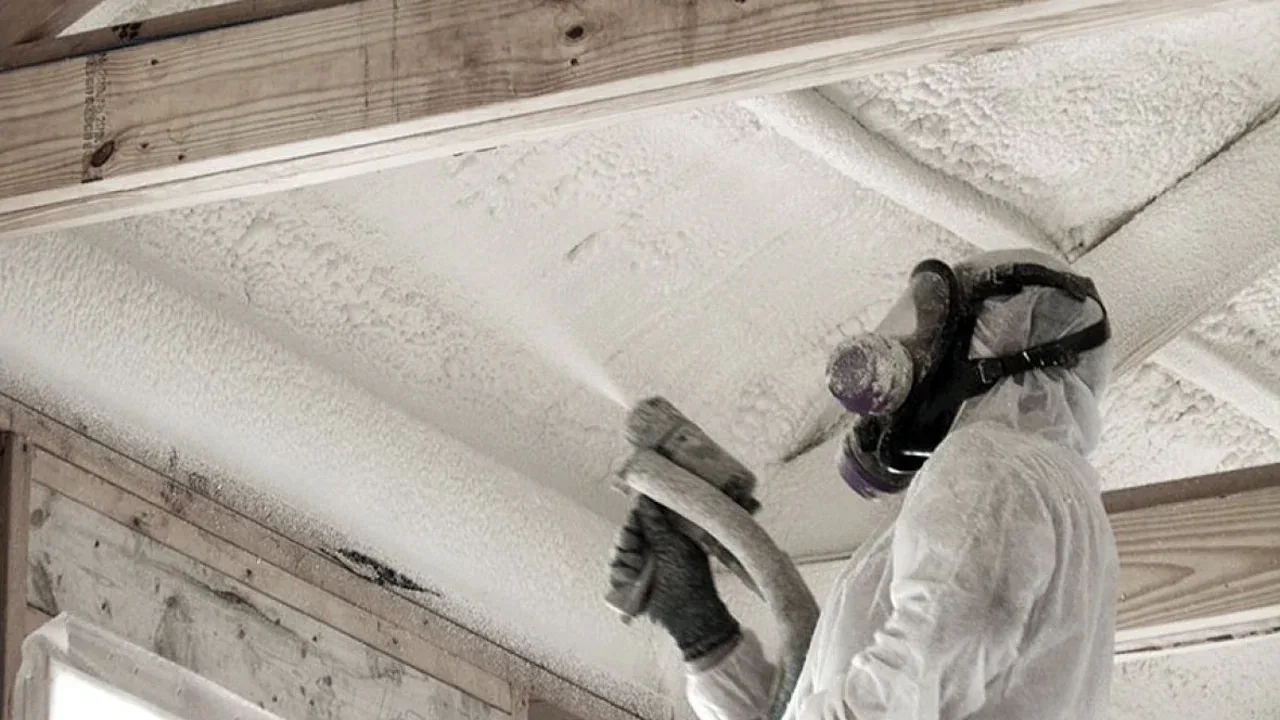
Air leakage is one of the biggest causes of heat loss in Post Falls homes during the winter months. Fiberglass batts are inherently porous and do not stop air movement, meaning cold air can blow right through the insulation during a heavy windstorm. Low-density spray foam solves this problem by expanding to fill the entire wall cavity, creating a custom fit that stops drafts.
When you use breathable spray foam, you create a thermal barrier that also acts as a physical block against outdoor pollutants and allergens. This is a major advantage over traditional batts, which often leave small gaps around electrical outlets and plumbing penetrations. These small gaps might seem minor, but they add up to significant energy loss and higher utility bills over time.
- Foam expands to more than 100 times its liquid volume to fill voids.
- It reaches tight corners where fiberglass cannot be easily tucked.
- Standard fiberglass often sags or settles over several years of use.
- Effective air sealing reduces the workload on your heating and cooling systems.
Why Filling Cavities Completely Matters
A wall cavity that is only partially filled allows for convection currents to form. These currents carry heat away from your living space and toward the cold exterior sheathing. Because foam sticks to the studs and the back of the drywall, it eliminates the space where these currents usually develop.
How Does Open Cell Spray Foam Control Noise
One of the most noticeable benefits of open-cell spray foam vs fiberglass is how it handles noise pollution. Because the foam is soft and flexible, it excels at absorbing mid and high-frequency sound waves. This makes it an excellent choice for interior walls between bedrooms, bathrooms, or laundry rooms where privacy is a priority.
Fiberglass provides some sound absorption, but sound can still travel through the small gaps between the insulation and the wall studs. The complete coverage provided by interior wall foam creates a much quieter living environment for your family. Many homeowners in Post Falls find that this added privacy is just as valuable as the monthly energy savings.
Bonus Tip: If you are building a home office or a media room, using this type of foam in the interior walls can significantly reduce the transfer of voices and television noise to the rest of the house.
The Science of Sound Dampening
The open structure of the foam cells traps sound energy and converts it into a tiny amount of heat. This process is much more efficient than the way fiberglass transmits sound through its glass fibers. It is especially helpful in modern homes with open floor plans where noise tends to carry.

Comparison of Material Specifications and Performance
The following data highlights the technical differences between these two common insulation types used in Idaho. These figures represent standard industry averages for residential wall applications.

Managing Moisture and Humidity in Post Falls
Post Falls experiences significant humidity shifts and heavy snowmelt, making moisture management a priority for wall assemblies. Fiberglass can trap moisture against wooden studs, which might lead to mold growth or wood rot if a vapor barrier is not perfectly installed. It also loses its insulating power if it becomes even slightly damp.
In contrast, flexible foam insulation in Post Falls,ID is relatively hydrophobic and allows the wall assembly to breathe in a controlled manner. If a small leak occurs, the foam typically dries out without losing its shape or its thermal rating. This resilience is a major factor in the structure's longevity.
- Foam does not provide a food source for mold or mildew.
- It maintains its physical structure even when exposed to humidity.
- Properly installed foam reduces the risk of condensation inside the walls.
- Fiberglass requires a separate plastic vapor barrier in cold northern climates.
Protecting Your Home From Idaho Snowmelt
When snow piles up against a home's exterior, the temperature difference can cause moisture to migrate into the walls. Having a material that stays in place and does not absorb water like a sponge is a significant advantage for local homeowners.
Evaluating Long-Term Cost Effectiveness
While the upfront cost of foam is higher than that of traditional materials, the return on investment comes through lower utility bills and reduced equipment wear. Most Post Falls residents see a reduction in monthly heating costs because the furnace runs less frequently during the winter. The air sealing properties mean your home stays warmer for longer after the heat shuts off.
Fiberglass is the most budget-friendly option initially and is often chosen for simple projects. However, it often requires more maintenance and can lead to higher energy costs over the life of the home. When you factor in the potential for sagging and the lack of a built-in air seal, the value of foam becomes more apparent for those planning to stay in their homes.
- Lower monthly energy bills help offset the initial cost.
- The HVAC system lasts longer because it does not have to work as hard.
- An increase in home resale value is common with high-performance insulation.
- Eliminating drafts improves overall occupant comfort year-round.
Factors to Weigh Before Choosing Your Insulation
Before you commit to a specific material, you should review the requirements of your building project. Not every wall needs the same level of protection, and your budget might dictate a hybrid approach for different areas of the house.
1. Assessing Local Building Codes
Ensure your choice meets or exceeds Post Falls energy codes, which are becoming stricter regarding air leakage. Professionals can guide you on the specific R-values required for your zip code.
2. Structural Access and Timing
Spray foam is easiest to install during new construction or a major remodel, when wall cavities are fully exposed. If you are just topping off existing insulation in a finished wall, other methods might be required.
3. Future Renovations and Wiring
Foam is more permanent than fiberglass, so ensure your electrical and plumbing work is completed first. It is harder to fish new wires through foam than it is through loose fiberglass batts.
4. Allergy and Air Quality Concerns
If family members have sensitivities, air sealing with foam can help keep dust and pollen out of the living space. This creates a cleaner indoor environment compared to fiberglass, which can sometimes harbor dust.
Bonus Tip: Consider a "flash and batt" approach if you have a tight budget. This involves a thin layer of spray foam for an air seal, followed by fiberglass for the remaining thickness.
How Temperature Swings Influence Material Performance
Northern Idaho sees everything from sub-zero winters to hot, dry summers. High-quality foam stays stable during these extreme temperature swings. Fiberglass can occasionally shift or develop gaps where warm air rises through the fibers and escapes out of the top of the wall.
Because foam adheres directly to the building envelope, it creates a consistent thermal break. This prevents the "cold wall" feeling that many people experience with older homes during January and February. The material remains flexible enough to accommodate the natural expansion and contraction of the wooden wall studs.

The Importance of Seasonal Stability
In the summer, the same technology keeps the heat from the Idaho sun from radiating into your air-conditioned rooms. This dual-season performance is why many people are moving away from traditional batts in favor of modern spray applications.
Professional Insulation Solutions in Northern Idaho
Making a decision about your home's thermal envelope is a significant step that impacts your comfort for decades. Local experts like Selkirk Energy Solutions can help you weigh the pros and cons of different materials for your specific property. They offer a range of services, including Air Sealing Services and Residential Insulation, to ensure your home is as efficient as possible.
If you are ready to improve your home's performance, you can reach out to their team at [email protected] or call (208) 295-9780. They provide detailed assessments for new construction and existing homes. You can also visit their location or view their service area via their Map: https://maps.app.goo.gl/nboGcT5t7bs7NsyKA to get a free quote on your next project. Their experience with the local climate ensures you get the right advice for the region's unique weather patterns.
Summary of Residential Insulation Performance
When comparing open-cell spray foam vs fiberglass, the foam option clearly leads in air sealing, sound absorption, and moisture resistance. While fiberglass remains a functional and affordable choice for many, it cannot match the custom-fit thermal barrier created by spray foam. For homeowners in Post Falls, ID, looking for the best long-term results, investing in a material that fills every gap is usually the most effective strategy. You should evaluate your budget and long-term comfort goals before selecting the material that best fits your home.
Common Questions About Wall Insulation Performance
Does open-cell foam smell after the installation is finished
There is a brief period of off-gassing immediately after the application, but once it cures, which usually takes about 24 hours, there is no lingering odor. Proper ventilation during the process ensures the air is clear for the residents.
Can a homeowner install spray foam as a DIY project
While small kits are available for minor repairs, professional equipment is required for large wall projects to ensure the chemicals mix properly. Accurate mixing is necessary for the foam to adhere properly and provide the advertised R-value.
Will fiberglass batts settle over time in my walls
Yes, fiberglass batts can settle or sag if they are not stapled perfectly or if they become heavy with moisture. This creates uninsulated gaps at the top of the wall where heat can easily escape.
Is open-cell foam considered a waterproof material
It is not waterproof like closed-cell foam, but it is highly resistant to water damage. It will not rot or change shape if it gets damp, and it allows moisture to evaporate rather than trapping it.
Which insulation is better for the environment in the long run
Both have benefits; fiberglass often contains high amounts of recycled glass. However, spray foam significantly reduces the home's carbon footprint by lowering the energy needed for heating and cooling over several decades.