
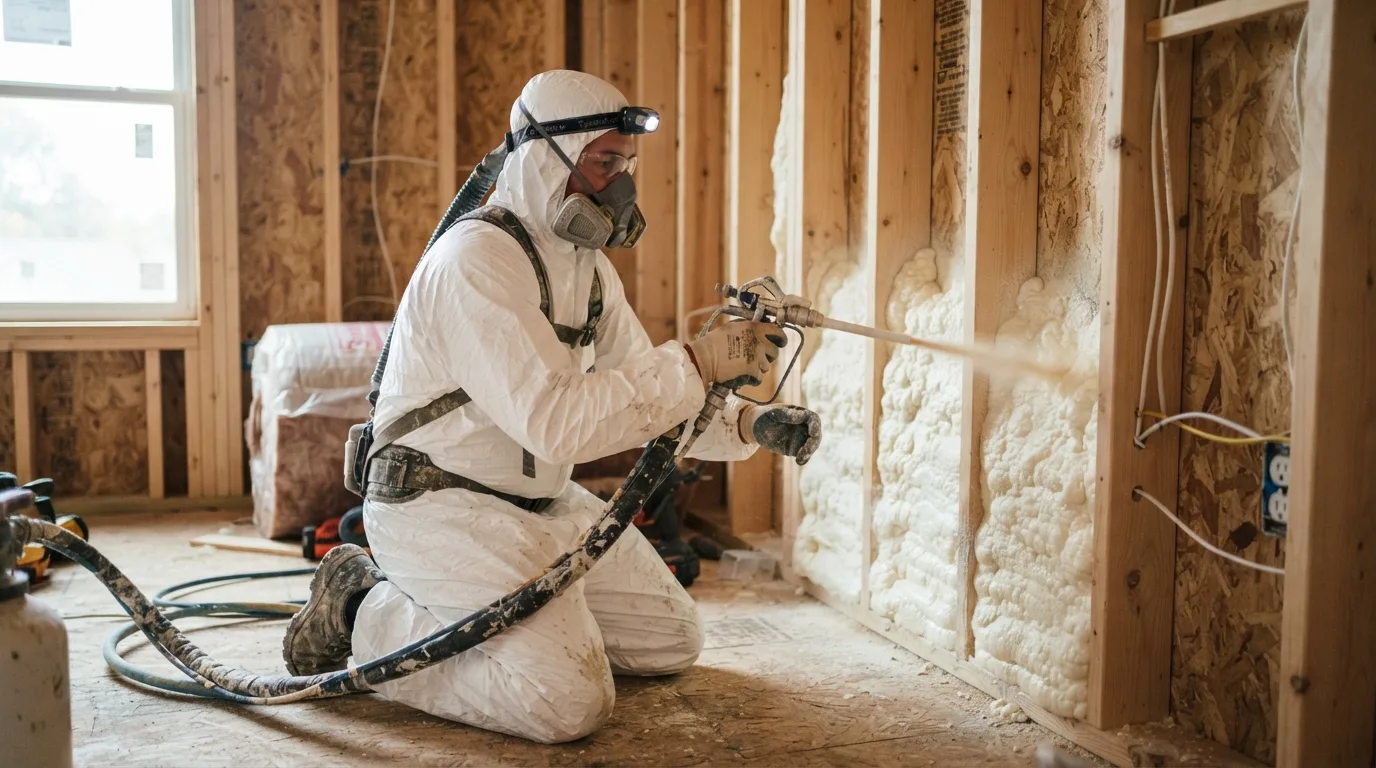
Open-cell insulation provides an effective thermal barrier that fills small gaps, prevents drafts, and reduces high heating bills in subarctic climates. If you want to protect your property from freezing drafts and ice dams, installing open-cell spray foam insulation in Anchorage is a highly effective solution. This material expands rapidly upon application, creating an airtight seal that conventional fiberglass batts simply cannot match.
Understanding how building materials perform in cold regions requires specialized knowledge of local structural engineering. Experienced insulation crews understand how local elements interact with crawl spaces, walls, and attics. This article outlines the practical benefits, costs, and installation steps to help you make an informed decision for your property.
- Learn how open-cell technology performs in subarctic cold.
- Understand the financial returns of improving your thermal envelope.
- Discover moisture management techniques for Alaskan homes.
- Review the step-by-step professional installation process.
Why Subarctic Climates Require Specific Insulation Choices
Anchorage weather presents unique challenges for property owners, with winter temperatures frequently dropping below zero. High heating bills are common when cold air enters through microscopic gaps in the building envelope. Utilizing open-cell spray foam in Alaska helps mitigate these issues by sealing those tiny openings.
Data from regional energy reports indicates that heating accounts for up to 50 percent of an average Alaskan home's utility expenses. Standard materials often shrink or settle over time, which allows cold air to infiltrate. Spray foam maintains its volume and stays firmly in place despite extreme temperature shifts
- Maintains consistent indoor temperatures throughout the winter.
- Resists settling and sagging over decades of use.
- Reduces the strain on home heating systems.
- Minimizes convective heat loss through attic spaces.
How Open-Cell Spray Foam Controls Moisture and Drafts
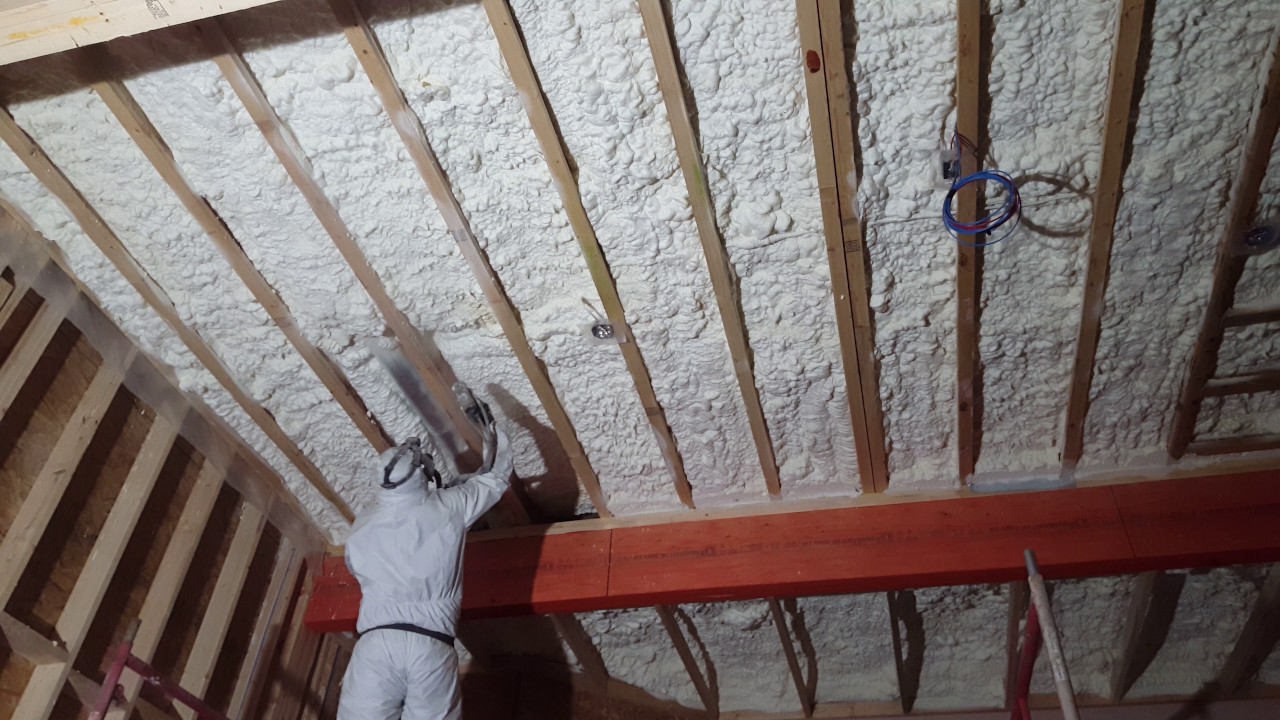
Controlling moisture is just as important as keeping heat inside your living spaces during winter. Liquid spray foam expands to more than 100 times its original volume, filling hard-to-reach cavities. Using open-cell spray foam insulation allows walls to remain vapor-permeable, which helps moisture escape rather than trapping it against wood framing.
This permeability prevents rot, mold growth, and structural decay inside your walls. When you opt for open-cell spray foam insulation in Anchorage, the foam blocks drafts while allowing the building to breathe. This balanced approach is highly beneficial for maintaining indoor air quality.
- Fills irregular framing spaces around plumbing pipes.
- Allows structural wood members to dry outward.
- Prevents cold drafts from entering the main living areas.
- Blocks outdoor allergens and dust from infiltrating walls.
Bonus Tip: In cold subarctic regions, combine open-cell foam with a vapor retarder paint or film on the warm side of the wall to manage vapor diffusion effectively.
What Are the Financial Savings of This Insulation Type
Upgrading your thermal envelope is an investment that pays off over time through lower utility bills. Many local property owners see a reduction in heating fuel usage after addressing air leaks. Selecting open-cell spray foam in Anchorage helps reduce the workload on your furnace, extending its operational lifespan.
According to building science studies, air sealing can save homeowners up to 15 percent on heating and cooling costs. The initial installation costs are offset by these ongoing monthly utility savings. This is why choosing open-cell spray foam insulation in Anchorage provides long-term financial relief for families.
Let us examine how this material compares with other common options used in local residential projects.
Performance Metrics of Insulation Materials

- Lowers monthly oil or gas heating expenses.
- Allows for smaller, less expensive heating equipment.
- Increases your property's overall resale value.
- Offers long-term performance without requiring regular maintenance.
Practical Considerations Before Selecting Insulation for Your Property
Before scheduling your project, you must evaluate several factors to ensure the material is suitable for your specific structural design. Open-cell foam is lightweight and flexible, making it ideal for interior walls and roof decks. However, you must ensure there is adequate space for the required thickness to achieve the target thermal resistance.
It is helpful to look for experienced spray foam insulation providers in Anchorage, AK, who can assess your current framing depth. Some projects may require localized retrofitting or drywall removal before application can begin.
- Confirm the framing depth allows for the proper thickness.
- Plan for temporary relocation during the application and curing process.
- Evaluate if your home needs additional mechanical ventilation.
- Check for existing moisture or leaks in the roof before spraying.
Bonus Tip: Schedule your insulation projects during the spring or summer months when warmer temperatures allow the foam to cure more uniformly and rapidly.

Three Phases of the Spray Foam Installation Process
Understanding the steps involved helps you prepare your property and household for the service. Professional crews follow a structured plan to ensure safety, precision, and performance.
1 Preparing the Target Areas
Installers begin by covering all windows, doors, and floors to protect them from overspray. They also verify that all electrical wiring and plumbing lines are securely fastened.
2 Applying the Liquid Mixture
The technicians spray the liquid mixture directly into the open wall cavities. The material expands quickly to fill the entire space, reaching behind wires and outlets. This precise coverage is why open-cell spray foam insulation in Anchorage is so effective at blocking drafts.
3 Final Safety Inspections and Cleanup
Once the foam cures, the crew trims away any excess material flush with the studs. They perform a final safety inspection to ensure the workspace is clean and ready for drywall.
- Thorough preparation and protection of personal property.
- Even, precise application to block drafty gaps.
- Careful trimming and cleanup of cured foam.
- Proper safety inspections and ventilation of the workspace.
Summary of Key Home Insulation Benefits
Upgrading your home insulation is a reliable way to improve comfort and reduce heating costs. Open-cell foam offers unique draft-blocking capabilities, sound reduction, and moisture breathability. You should carefully evaluate your building structure, budget, and climate needs when selecting your insulation material. Consulting with a local specialist can help you determine the best path forward for your home. Below, you will find details on how to secure a professional consultation, followed by answers to some of the most common questions about this insulation type.
- Drafts are permanently eliminated through custom expansion.
- Moisture vapor is managed safely to protect building framing.
- Sound levels are reduced between interior rooms.
- Energy savings provide long-term relief from rising utility prices.
Get a Free Professional Assessment to Secure Your Home Warmth Today
If you want to reduce your winter heating bills and improve indoor comfort, reaching out to local specialists is a smart next step. You can contact Polyseal Insulation to receive a free quote and professional evaluation of your property. Their experienced team offers residential spray foam and attic upgrades designed for local weather conditions. Get in touch by calling (907) 341-4848 or emailing them at [email protected].
Frequently Asked Questions About Open-Cell Insulation
Does open-cell foam absorb water in wet areas?
Open-cell foam can absorb water when directly submerged, but it also dries out quickly. It is best used in areas not exposed to standing liquid water, such as interior walls and attic roof decks.
Can open-cell insulation be installed in crawl spaces?
Yes, it can be used in crawl spaces if they are encapsulated and kept dry. For damp crawl spaces with dirt floors, closed-cell foam is generally preferred due to its water-resistant properties.
How long does the installation process take for an average home?
Most residential applications are completed in one to two days. This timeline includes site preparation, actual spraying, curing, trimming, and cleanup.
Does this material help reduce noise between rooms?
Yes, the pliable structure of open-cell foam makes it an exceptional sound-dampening material. It is frequently installed in interior partition walls to block sound transmission between bedrooms and bathrooms.
Is spray foam safe for indoor air quality after it has cured?
Yes, once the material cures completely, it is inert and does not off-gas. It helps improve indoor air quality by sealing out outdoor pollutants, dust, and pollen.