Interior insulation solves temperature imbalances by creating a consistent thermal barrier that restricts the movement of heat between different zones of a building. When you apply these materials to your walls, ceilings, and crawl spaces, they fill the gaps where air typically escapes or enters. This process ensures that every room maintains a steady temperature, regardless of its distance from your heating or cooling system.
You will find that this article covers the mechanical reasons for temperature swings and the specific materials used to fix them. Property owners often struggle with rooms that stay five to ten degrees warmer or cooler than the rest of the house. By looking at the science of heat transfer and air infiltration, you can understand how professional installations correct these common household frustrations.
Professional installers use their knowledge of thermal dynamics to identify weak points in your home's envelope. This expertise allows them to recommend specific fixes that stop the cycle of your HVAC system constantly running without reaching the desired comfort level.
Mechanical causes of uneven room temperatures
Temperature imbalances usually happen because of thermal bridging and air leakage. Thermal bridging occurs when heat travels through solid objects like wood studs or metal frames. Since these materials conduct heat better than air, they act as a bridge for outside temperatures to enter your living space.
Air leakage is the second major factor. Small cracks around outlets, baseboards, and window frames allow conditioned air to escape. This forces your air conditioner to work harder, yet the rooms furthest from the vents remain uncomfortable. You might notice that upstairs bedrooms are significantly hotter in the summer because heat rises and settles against the roof.
Installing high-quality materials stops this movement. By adding a layer of protection inside the wall cavities, you create a seal that resists heat flow. This keeps the warmth inside during the winter and blocks the sun’s heat during the hot summer months.
The role of thermal resistance in climate control
Every insulation material has an R-value, which measures its resistance to heat flow. The higher the R-value, the better the material performs. When you use Interior Insulation Solutions, you are essentially increasing the thermal resistance of your building. This prevents the outside climate from dictating the comfort of your indoor environment.

Studies show that air infiltration accounts for nearly 40 percent of the energy used to heat and cool a typical home. By sealing these leaks, you stop the drafts that cause one side of a room to feel colder than the other. This consistency is what allows your HVAC system to cycle on and off less frequently.
Comparing performance and material efficiency
Different materials offer various levels of protection against temperature swings. Choosing the right one depends on your specific needs, the age of your property, and your local climate. Below is a comparison of common materials used to fix thermal imbalances.
Material TypeR-Value per InchAir Sealing CapabilityMoisture ManagementClosed-Cell Spray Foam6.5 to 7.0ExcellentHighOpen-Cell Spray Foam3.5 to 3.8GoodModerateMineral Wool3.0 to 3.3PoorHighFiberglass Batts2.2 to 2.9PoorLow
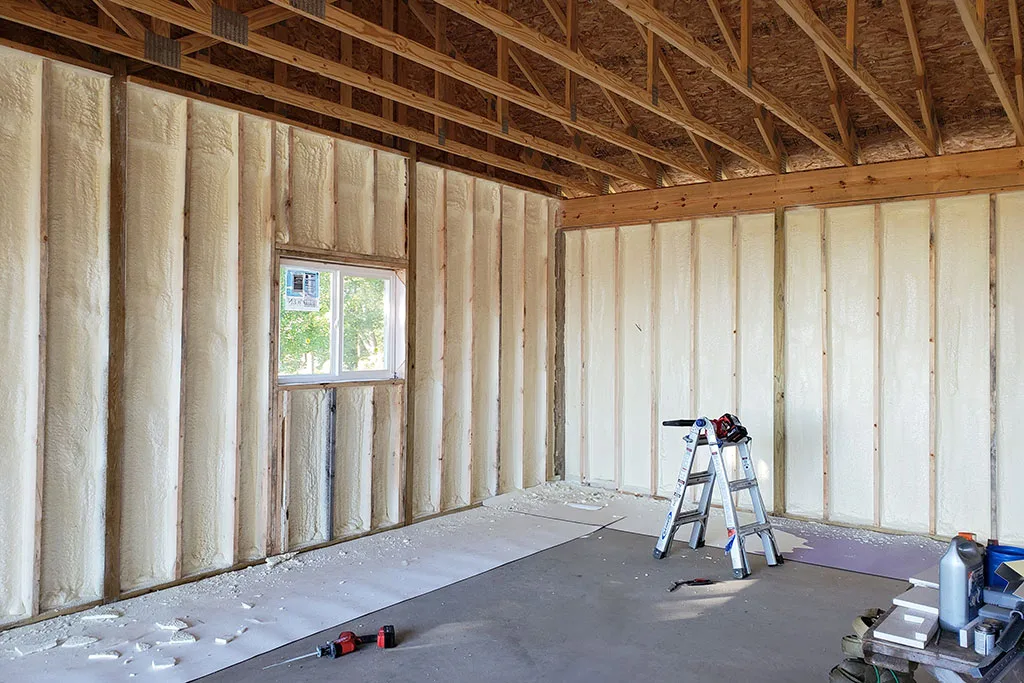
Closed-cell foam offers the highest R-value per inch, making it ideal for thin walls where space is limited. Open-cell foam is often used for soundproofing and filling large gaps in attics. Mineral wool is excellent for fire resistance and moisture control but does not provide an air seal on its own.
How regional weather affects indoor comfort
In regions with extreme heat, like the southern United States, the sun can heat up roof shingles to over 150 degrees. This heat radiates into the attic and eventually through the ceiling into your living areas. Without a strong barrier, your upper floors will always feel warmer than the ground floor.
In colder climates, the stack effect pulls cold air in through the basement and pushes warm air out through the roof. This creates a constant draft that makes the lower levels feel chilly. Using an Interior Insulation Company helps you address these specific regional challenges by applying the right materials for your local weather patterns.
While homeowners feel these effects daily, the same physics apply to larger structures. Properly insulated buildings stay within a narrow temperature range. This is particularly important for commercial properties where consistent comfort is necessary for employees and customers. If you manage a warehouse or a large office, these upgrades prevent the "hot spots" that often lead to complaints.
Steps for selecting the right insulation system
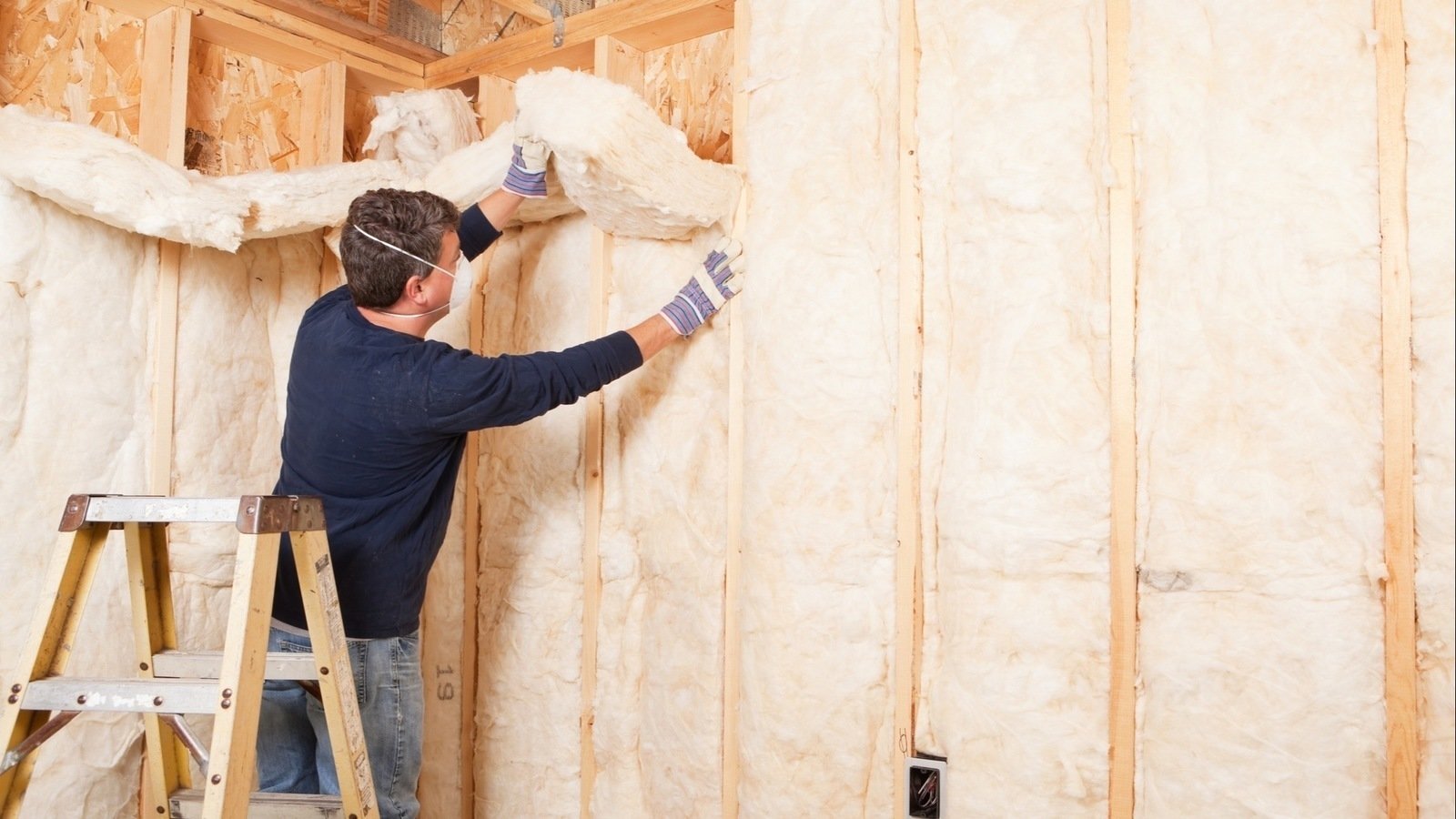
Before you decide on a specific material, you should consider the structural needs of your building. For example, older homes with balloon framing require different techniques than modern stick-built houses. You must evaluate how moisture moves through your walls to avoid mold growth.
- Check for existing air leaks around windows and doors.
- Identify the age of your current insulation.
- Evaluate the accessibility of your wall cavities.
- Determine your budget for long-term energy savings.
- Consult with professionals about local building codes.
Using interior insulation services ensures that the application is handled correctly. Professionals use thermal imaging cameras to find hidden gaps that the naked eye cannot see. This data-driven approach removes the guesswork from home improvement projects.
Bonus Tips for Maximum Thermal Efficiency
- Seal the top plates: Ask your installer to seal the areas where walls meet the attic to prevent the stack effect.
- Insulate internal walls: Adding material to walls between bedrooms and bathrooms can help with both sound and temperature control.
Factors to weigh before starting your project
You should think about the long-term goals for your property before making a purchase. If you plan to stay in the home for many years, investing in higher-end materials like spray foam provides better returns. These materials do not sag or settle over time, unlike traditional fiberglass.
Moisture control is another major factor. Some materials act as a vapor barrier, which is necessary in humid environments. If your home has a history of dampness in the basement or attic, you need a solution that manages water vapor while still providing thermal resistance.
Expert techniques for consistent room temperatures
Service providers often suggest a "whole-house" approach. This means they don't just look at one room. They look at how the attic, walls, and crawl space work together. If you only insulate one wall, the heat will simply find another path of least resistance.
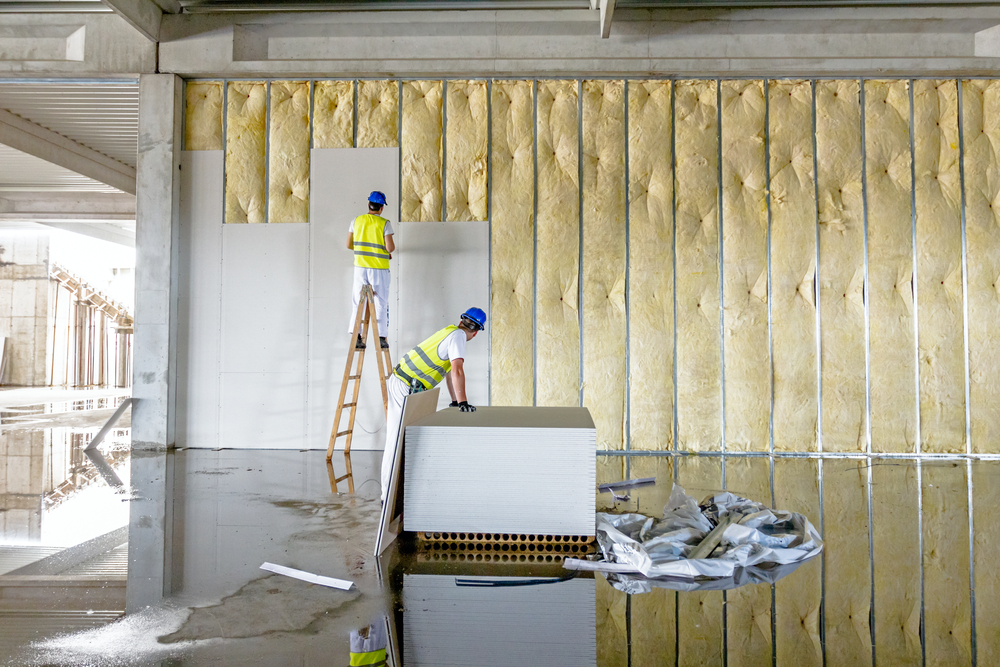
Using professional interior insulation techniques involves sealing the building envelope entirely. This creates a pressurized environment where your HVAC system can operate efficiently. You will notice that your home stays quieter, as these materials also block outside noise from traffic and neighbors.
A final look at stabilizing your home climate
Fixing temperature imbalances requires a combination of high R-value materials and effective air sealing. By stopping the movement of air and heat, you create a space that is comfortable year-round. This reduces the strain on your mechanical systems and lowers your monthly utility costs.
You should evaluate your home’s current performance by looking at your energy bills and physical comfort levels. If you notice large swings in temperature between seasons or even between rooms, it is likely time to update your thermal barriers. Focus on materials that offer longevity and air-sealing properties for the best results.
How to get started with professional home upgrades
If you are ready to fix the uneven temperatures in your property, reaching out to Spray Foam Tech is a great next step. They offer a wide range of options, including residential spray foam and mineral wool insulation, to meet your specific needs. You can contact them at (737) 777-9590 or via email at [email protected].They provide services like interior insulation and insulation removal to ensure your building envelope is performing at its best. Request a free quote today to see how they can help you achieve a more comfortable and energy-efficient environment.
Common Questions About Fixing Home Temperatures
How long does it take to see results after upgrading?
You will notice a difference in room temperature consistency almost immediately after the installation is complete. Since the materials start blocking heat flow right away, your HVAC system will cycle less frequently within the first 24 hours.
Does interior insulation help with noise reduction?
Yes, materials like open-cell spray foam and mineral wool are excellent at absorbing sound waves. This reduces the transfer of noise between rooms and blocks external sounds like sirens or loud vehicles.
Can I install these materials over old insulation?
In some cases, you can add new layers, but it is often better to remove old, dusty, or moisture-damaged material first. This allows the new interior insulation to form a better bond with the structure and ensures there are no hidden issues like mold.
Is it worth insulating a garage or pole barn?
Insulating these structures prevents them from becoming heat sinks that transfer high temperatures to your main living areas. It also protects any equipment or vehicles stored inside from extreme temperature fluctuations.
What is the most durable material for interior walls?
Closed-cell spray foam is considered the most durable because it is rigid and does not settle over time. It also adds structural strength to the walls and provides a permanent air and moisture barrier.