
Introduction
Clay roof tiles have been used for many years and are still a popular choice for homes today. They are known for their natural look, long life, and ability to handle different weather conditions. Clay roof tiles installation is an important process because the quality of installation decides how well the roof will perform over time. When done correctly, clay tiles can protect a home for decades with very little maintenance.
What Are Clay Roof Tiles?
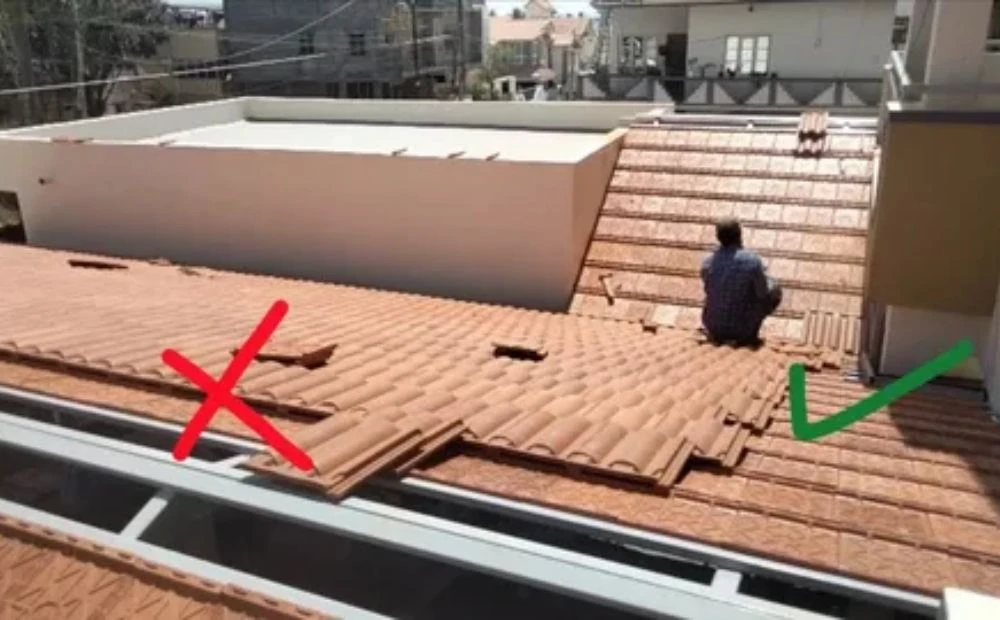
Clay roof tiles are made from natural clay that is shaped and baked at high temperatures. This process makes the tiles hard, strong, and resistant to damage. These tiles come in different shapes and colors, which makes them suitable for many types of houses. They are commonly seen on traditional, Mediterranean, and modern homes.
Clay tiles are heavier than many other roofing materials, so they need a strong roof structure to support them. Once installed properly, they provide excellent protection against heat, rain, and wind.
Benefits of Using Clay Roof Tiles
One of the biggest benefits of clay roof tiles is their long lifespan. They can last 50 years or more if installed and maintained well. Clay tiles are also fire-resistant, which adds an extra layer of safety to the home.
Another advantage is temperature control. Clay tiles help keep homes cooler in hot weather because they allow air to move under the tiles. They are also environmentally friendly because they are made from natural materials and can be recycled.
Preparing the Roof Before Installation
Before installing clay roof tiles, the roof must be checked carefully. The structure should be strong enough to carry the weight of the tiles. Any weak or damaged parts of the roof should be repaired first.
A waterproof underlayment is placed on the roof to protect it from moisture. This layer acts as a backup barrier in case water passes through the tiles. Proper planning at this stage helps avoid problems later.
Installation Process Explained Simply
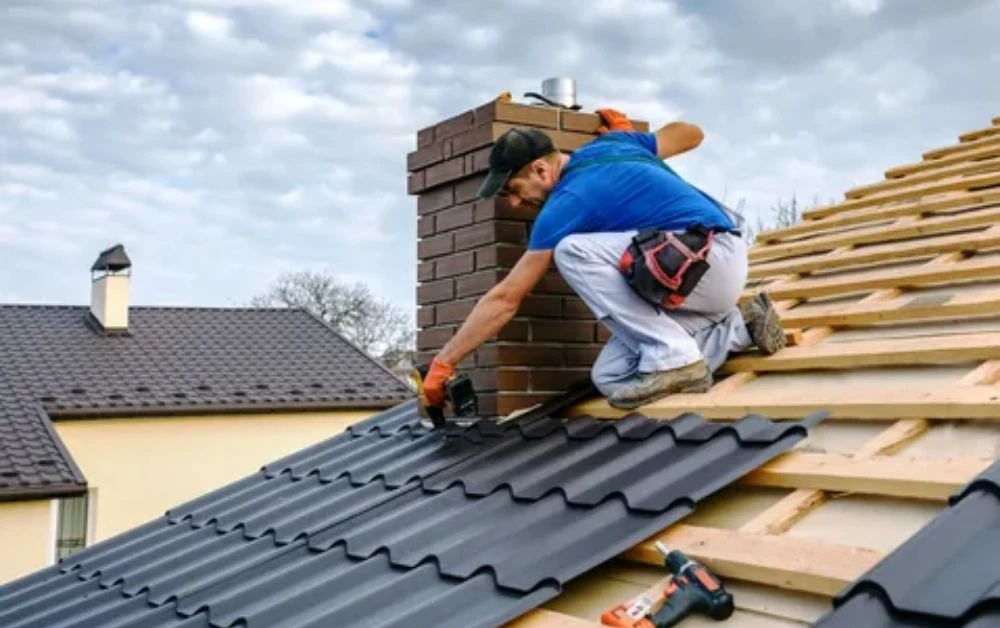
The installation starts from the bottom edge of the roof and moves upward. Tiles are placed in rows, overlapping each other to prevent water from entering. Each tile is fixed securely to make sure it stays in place during strong winds.
Spacing and alignment are very important. If tiles are not placed evenly, it can affect both the look and performance of the roof. Special care is taken around edges, corners, and joints to ensure complete protection.
Common Mistakes to Avoid
One common mistake is skipping proper roof inspection before installation. Another issue is poor alignment, which can lead to water leakage. Using low-quality fixing materials can also reduce the life of the roof.
Hiring skilled professionals helps avoid these problems. Experienced installers know how to handle clay tiles correctly and follow proper safety steps during the work.
Maintenance Tips for Long-Lasting Results
Clay roof tiles need very little maintenance, but regular checks are still important. Broken or cracked tiles should be replaced quickly. Cleaning the roof occasionally helps remove dirt and debris that may collect over time.
With proper care, clay roof tiles keep their appearance and strength for many years.
Note :- ARTFIX, established in 2008, specializes in construction and architecture. Conceived in 2006, it arose from the need for professional façade tiles and roof restoration services for high-quality building materials in the UAE. With a multinational team of skilled tile fixers, ARTFIX manages intricate projects, blending regional and contemporary fixing methods. Committed to excellence, the company delivers installations that meet international standards, ensuring superior craftsmanship for the building industry.
Final Thoughts
Clay roof tiles are a smart choice for homeowners who want durability, beauty, and natural protection. A well-planned and carefully done installation ensures the roof stays strong and reliable for a long time. Investing in quality installation and basic maintenance gives peace of mind and adds long-term value to the home.
Is this conversation helpful so far?
Also Read :- How to Protect Your Roof from Harsh UAE Weather